
Topic · Kitchen Equipment Basics
Types of Cookware
There are many types of pots and pans available for different cooking methods. Many of these types can be used for more than one method. Shown below are some of the different types of pots and pans and a brief description of each:
Braiser Pan
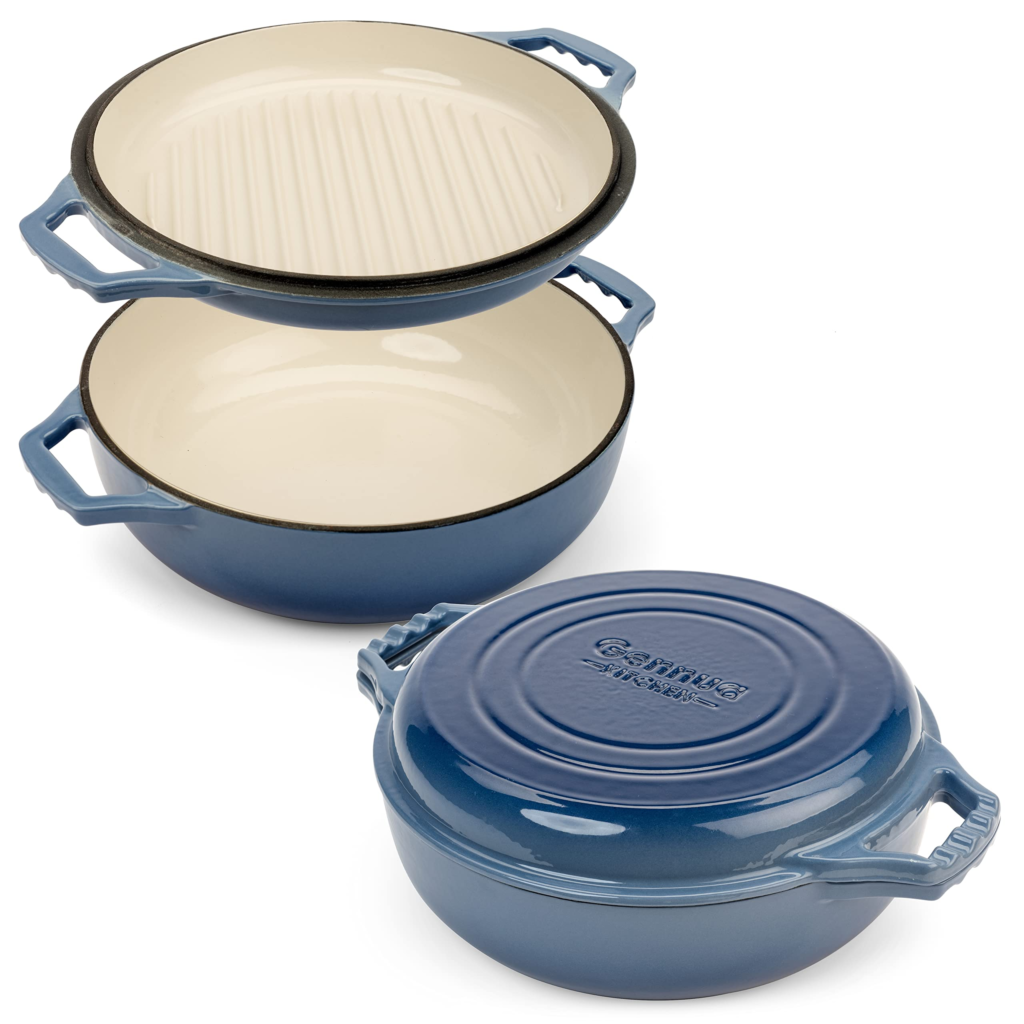
This is a round or oval-shaped pan with two stay-cool handles and heavy domed cover. This is a heavyweight pan made of anodized aluminum or stainless steel. Both types of material contain an aluminum or copper core layer in the middle that runs all across the bottom and up the sides, which spreads heat evenly through the pan. Braising pans can be used on the stovetop and in the oven. It is important that the cooking vessel has a tight-fitting lid so that the liquid does not evaporate. They are available in depths ranging from 2 to 3 inches and in various sizes ranging from 10 to 13 inches in diameter or 2 ½ quarts to 6 quarts. This pan could also be used as a casserole pan.
Broiler Pan
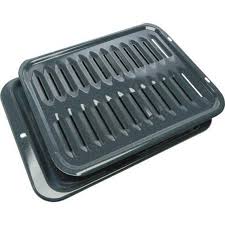
Cookware is used to broil foods in the oven such as steaks, roasts, or various cuts of meat, poultry, and vegetables. It is typically constructed of stainless steel or heavy gauge steel with black porcelain enamel. Broiler Pans consist of two sections, a low-walled pan section and an upper cooking surface that is the broiler plate lid. The cooking surface or lid, which contains open slits and small holes, holds the food as it broils while the pan below catches the drippings. Since the lid has only minimal openings, it keeps the hot grease and drippings contained within the pan so they do not flare up and burn the bottom of the food as it broils. This pan is also known as a broiler roaster, oven roaster or oven broiling pan.
Casserole
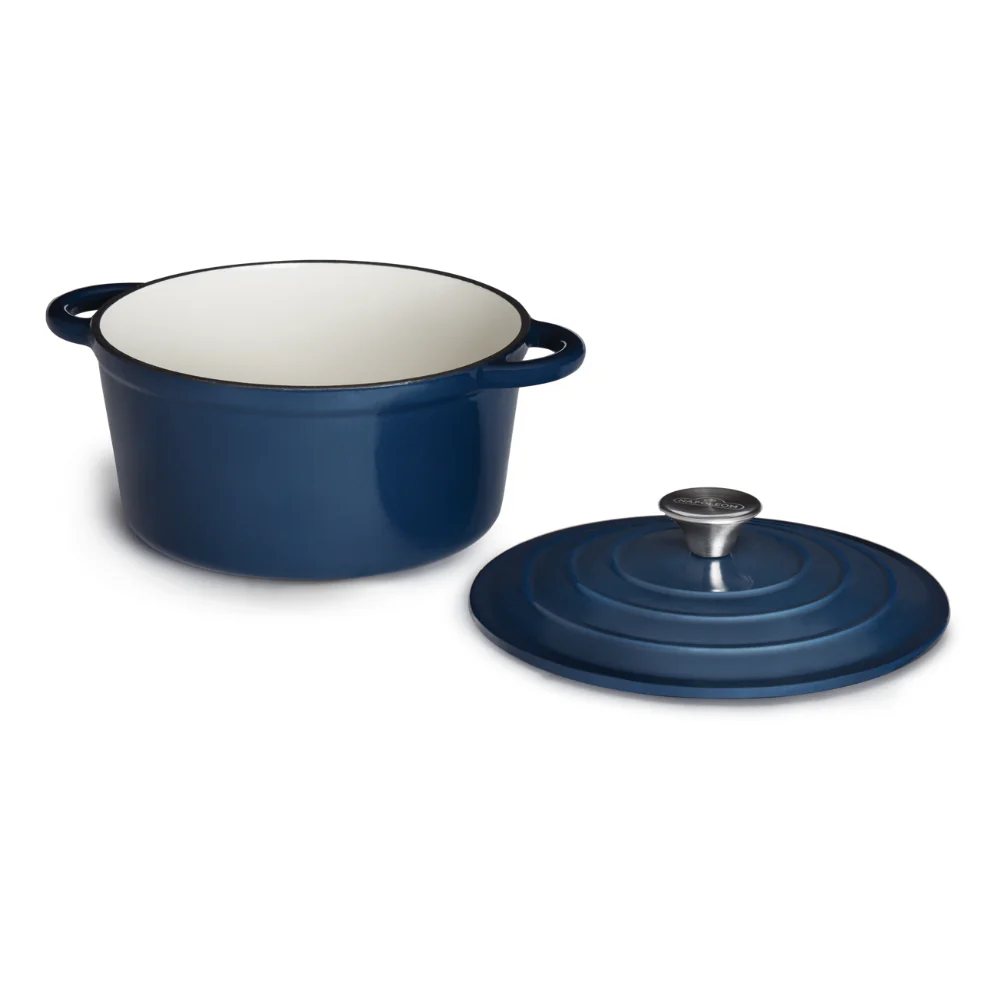
This is a round or oval pan with steep sides, which ranges in size from 2 quarts to 12 quarts. The casserole pan can be made from many different materials. It is available in the same high-quality materials as a saucepan or you may find it made in glass, ceramic or earthenware. It may have a cover but the cover is not used when cooking the food in a casserole very often. Depending on the material it is made from, it may be used on the stovetop but is generally used in the oven. It is used for cooking one-dish meals and the meal is served at the table in the casserole pan.
Chef’s Pan
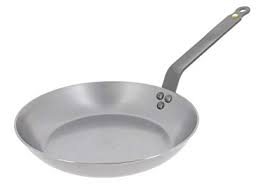
A medium depth pan that generally has flared or rounded sides but is sometimes found with straight sides. It has a flat bottom and wide mouth, which accelerates the evaporation of liquids. A chef’s pan most often will have a long handle and a tight-fitting cover. It is made of metal with a thick ground base that allows temperature changes to occur rapidly as the level of the heat applied to it changes, either increasing or decreasing for the best heat conduction. Chef’s pans are available in a variety of sizes such as 2, 3, 4, 5, or 6-quart pans. The height of the sides makes it easier for sautéing, frying or steaming greater amounts of foods, allowing sufficient space for turning and stirring of the contents. Chef’s pans are very similar to saucier pans and either pan can be used interchangeably.
Chestnut Pan
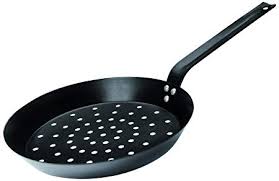
Made in the shape of a wide-walled pan or a skillet, this roasting utensil is designed specifically for heating the large, brown-shelled variety of chestnuts over a stove or heat source such as fire, gas or hot coals. Roasting chestnuts over an open fire is best accomplished with a long-handled roasting pan or basket made from steel wires like a steel cooking basket, while the deep-walled or skillet-like pan is best for coal, gas or electric heat. Formed with large-sized holes in the bottom, the Chestnut Pan allows the heat to have greater exposure to directly heating the chestnuts in its shell allowing it to be cooked evenly.
Double Boiler
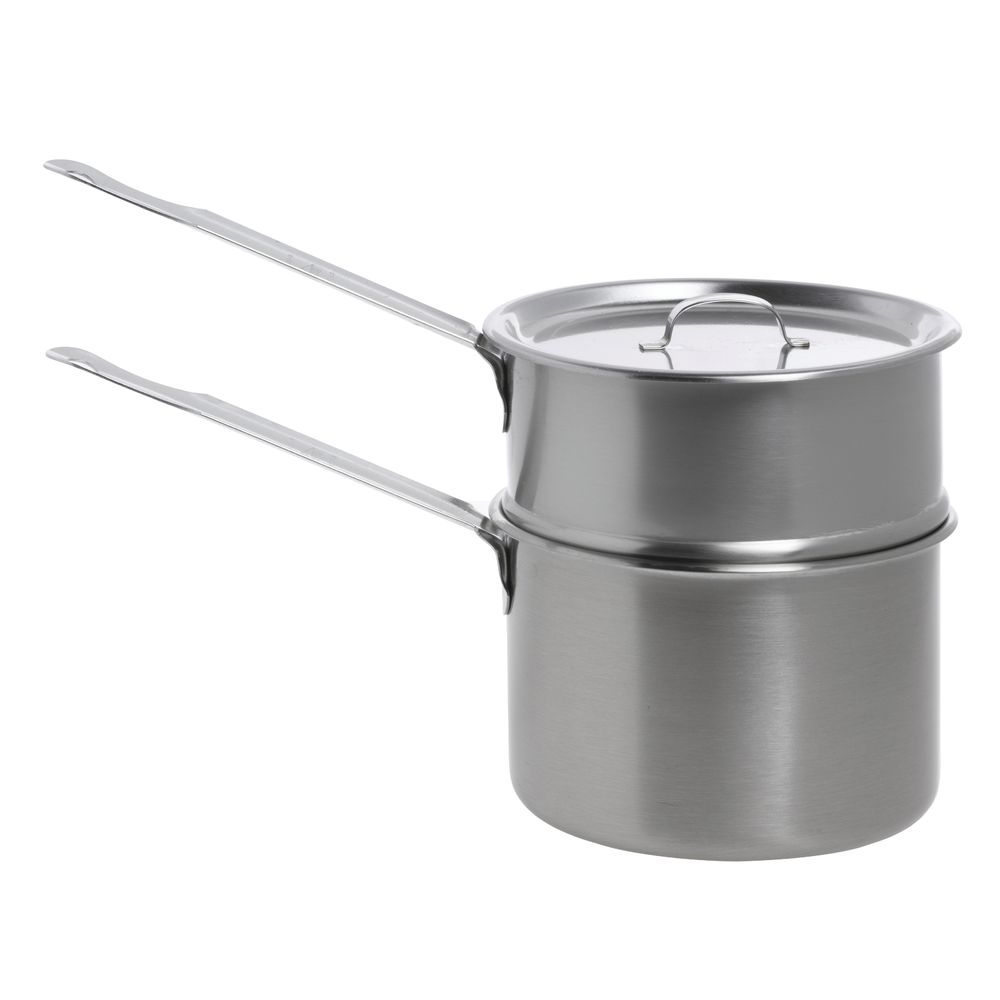
A double boiler consists of two pans where one sits inside of the other. The bottom pan is slightly larger so the top pan can fit inside. The bottom pan contains hot water and the top pan holds the ingredients that are being cooked. This type of pan is used when making delicate sauces that have a tendency to separate if cooked on direct heat. Double boilers are often made from stainless steel, but can also be found to be made from other materials, such as enameled steel, aluminum, and glass.
Dutch Oven
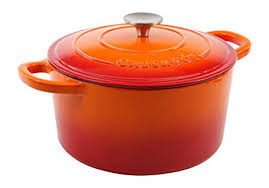
This is a round or oval, heavyweight pot with a domed cover. A Dutch oven has steep sides that range in depth from 2 to 4 and 3/4 inches and range in size from 2 quarts to 6 quarts. You will find them made from stainless steel, anodized aluminum, and cast iron. They are used for pot-roasting, stewing, braising, boiling pasta and making soup. They can be used on the stovetop and in the oven. Dutch ovens are a popular cookware item used when camping. Some cast-iron models have legs, making it easy to set the pot over coals or a campfire.
Fondue Pot
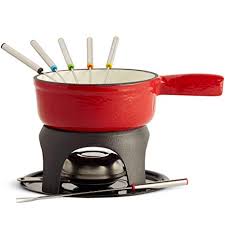
A type of cookware that consists of a pot with a heat source such as a portable cooking fuel or an electrical heating element placed directly below the pot that is used for a food preparation process known as fondues. The pot may be filled with cooking oil, wine, cheese, chocolate, or other ingredients depending on the food to be prepared. The heat source melts or fully warms the contents so that food can be dipped into the pot and either cooked or coated with its contents. Typical foods that are dipped in fondue pots are small pieces of toast, bread, meat, fruits, or vegetables. They are dipped into the contents of the fondue pot and eaten as an appetizer or as part of a meal. The word fondue is a French term meaning “to melt.”
Frying Pan / Skillet
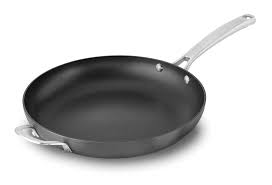
A frying pan has a flat bottom with short sides that are flared or sloped, which makes it easier to toss and turn food with a spatula. The pan should be made of a heavyweight material that is responsive to heat, such as lined copper, stainless steel with a copper or aluminum core, anodized aluminum or cast iron. There are also frying pans available with non-stick surfaces. It is used for frying foods but can also be used for sautéing. Frying pans are available in several sizes, such as 6 ½”, 7″, 8″, 9″ 10″, 11″, 12″ and 14″. They are available in depths of 1 ½” to 3″ and generally come with a cover.
Glass Baking Pan
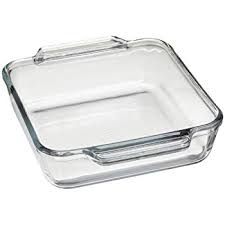
A baking pan made from tempered glass. The glass may be flameproof or ovenproof and is available in square and rectangular shapes of various sizes. The flameproof glassware, which is fairly expensive, can be used in the microwave, on the stovetop, and in the oven. Ovenproof glassware can be used in the microwave and in the oven, but if used on the stovetop, it needs a diffuser. The glass baking dish is used to bake fish, meats, casseroles, vegetable dishes, bread, cakes, and other desserts.
Gratiné Pan
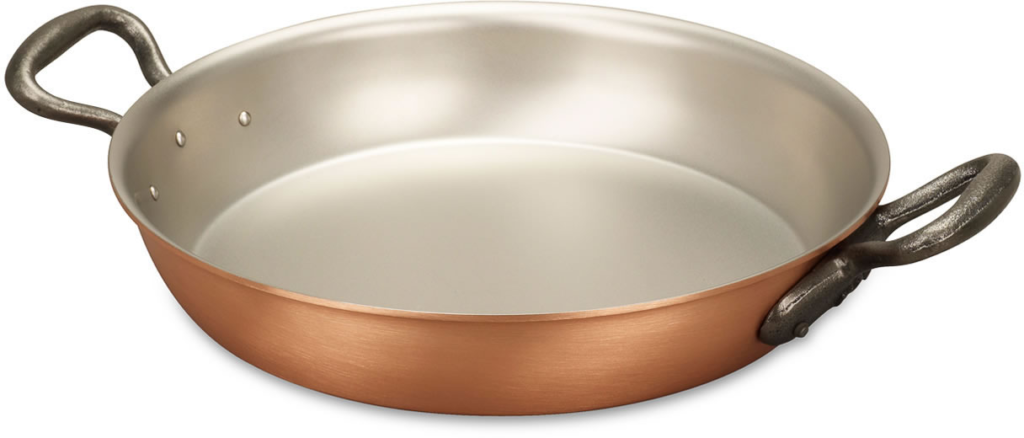
This is a type of bakeware that is used to make traditional French food that has a brown crispy top crust. The dish is most often a shallow-sided container that is oval in shape, however, it can also be round with sides that are deeper than the oval-shaped pan. Made from aluminum, steel cast iron or stoneware, the Gratiné Pan allows the food to cook evenly and in the same amount of time as it takes the crust to brown. Often made as a casserole, a potato dish or a vegetable dish, a Gratiné is browned under a broiler oven to produce the golden tan crust that represents the key element of this food. Gratiné is also known as au gratin.
Flat Iron Grill Pan & Skillet Grill Pan
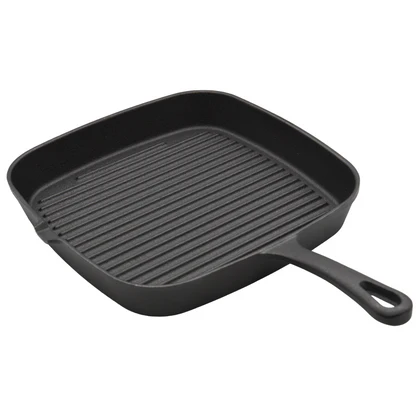
This is a heavy metal pan that consists of ridges spaced evenly across the bottom that closely simulate the grilling process when cooking various meats and foods. They are available with shallow sides and with deeper sides similar to a frying pan. The ridges raise the food of the bottom surface of the pan, which helps prevent the food from steaming as it cooks. The ridges also serve as a method for allowing the fat contained in some foods to drain away from the food and collect in the spaces between the raised ridges. Many grill pans are made from cast iron. Cast iron needs to be seasoned, but there are manufacturers who produce enamel surfaced and factory seasoned cast iron grill pans.
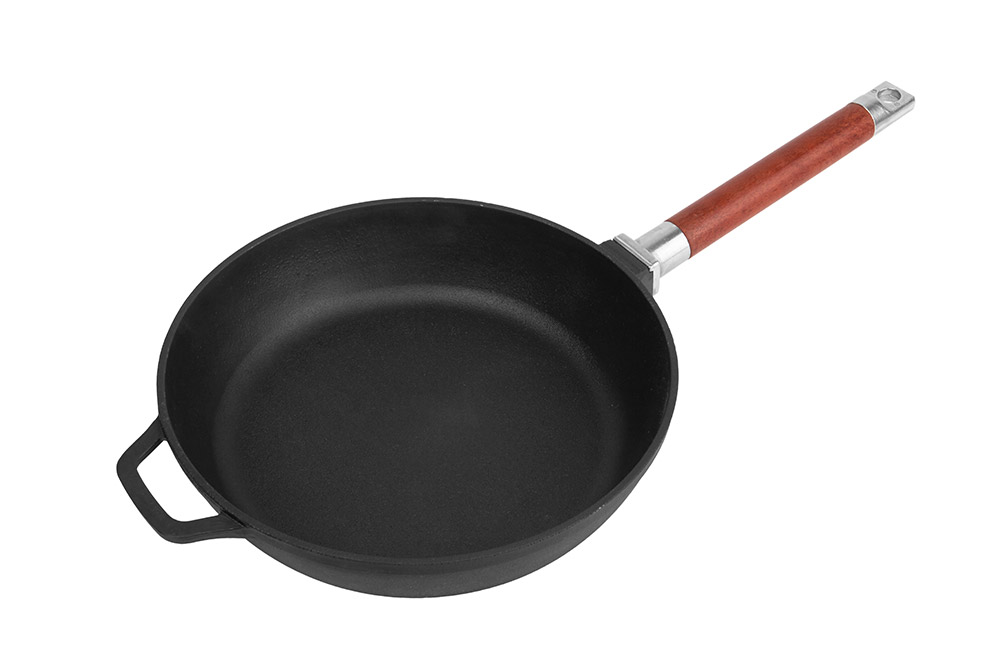
Cast iron pans are also heavy and the handles get extremely hot, making them hard to handle. Even though cast iron is bulky, it is still the best material for a grill pan because of its ability to retain heat and to heat evenly. They are available in round, square and rectangular shapes and range in size from 9 to 12 inches. There are also double burner sizes available.
Meatloaf Pan
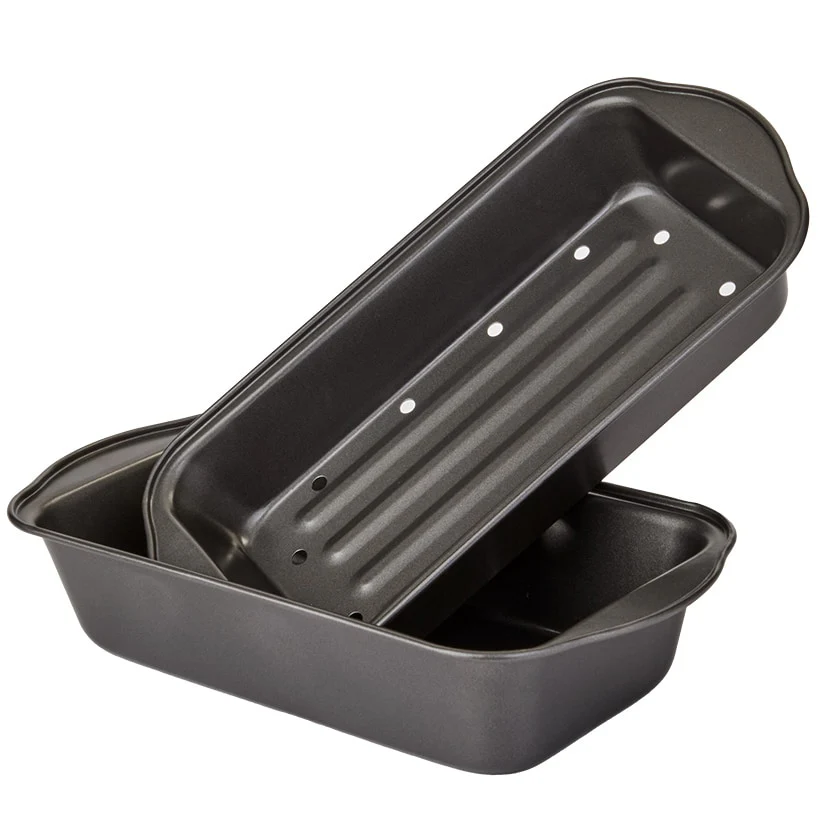
Constructed like a traditional loaf pan, this type of pan is made to allow fat and drippings to be removed as the loaf bakes. They are made as two separate pans, one fitting within and above the bottom or base pan. As the food bakes in the upper pan which contains numerous holes, the grease and fat drop to the bottom pan positioned beneath the upper pan. The removal of the drippings may produce a slightly drier result as the meat cooks, but it does eliminate meat sitting or soaking in grease and fat as it bakes. This pan is also referred to as Lo-Fat Loaf Pans.
Omelet Pan
An omelet pan is basically the same as a frying pan. It is available made from the same type of material as frying pans and generally has the same shape. An omelet pan with a non-stick surface is beneficial when making omelets because it allows the eggs to be released from the pan, making it easier to turn or flip. The omelet pan is also available as an oval-shaped pan that is generally 10 to 12 inches long. The oval pan works well for cooking foods such as omelets, fish filets, and shell steaks. The most common sizes for round pans are 8, 10 and 12 inches.
Paella Pan
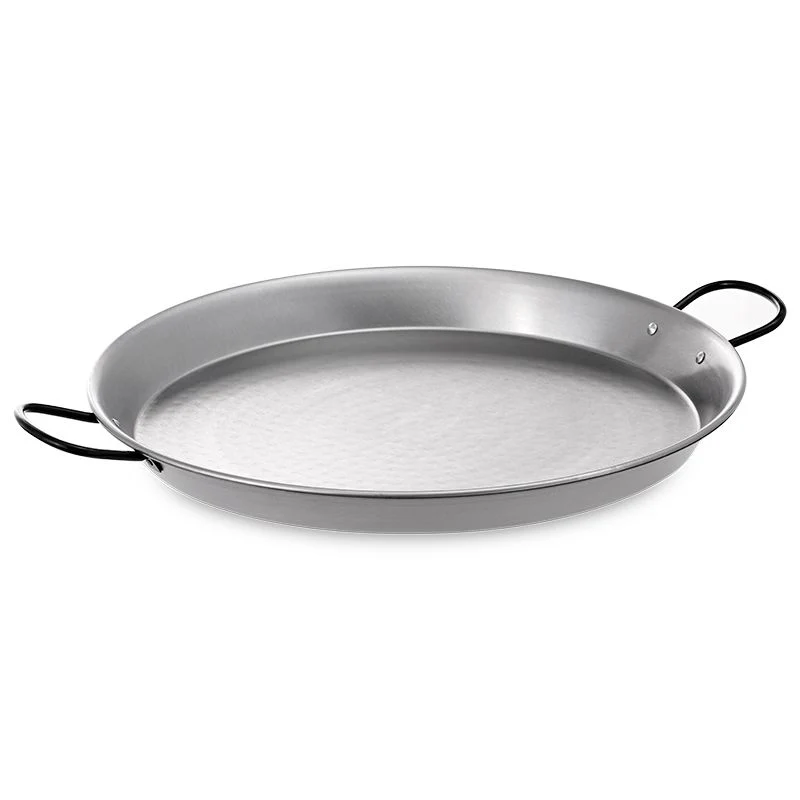
This is a cooking vessel that is used to prepare the famous Spanish rice dish, Paella. The pan is a large diameter, a shallow skillet-like pan that may be made from cast iron, enameled metal, or brushed aluminum. Some pans may have higher sides resulting in a deeper pan, but the traditional pans are approximately 14 to 16 inches in diameter and have the appearance of a medium to a large skillet with a shallow depth. Most Paella pans have handles on either side.
Roasting Pan
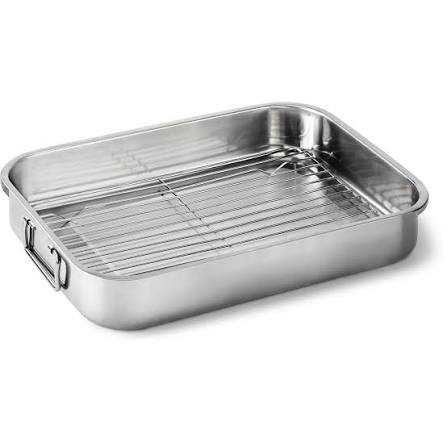
This is a rectangular-shaped pan with low sides, which allows the heat from the oven to expose the entire surface of the meat to create a browned exterior. The pan is generally used with a rack to prevent the meat from sitting in its own juices and stewing instead of browning. There are several sizes available. Select a size that allows approximately 2 inches between the side of the pan and the meat. Also, be sure that there are at least 2 inches of space between the outside of the pan and the sides of the oven so that there will be proper air circulation. The roasting pans are available made from several different materials, such as stainless steel, stainless steel with an aluminum or copper core, aluminum with non-stick surfaces, anodized aluminum, lined copper and granite.
Roasting Pans with High Cover
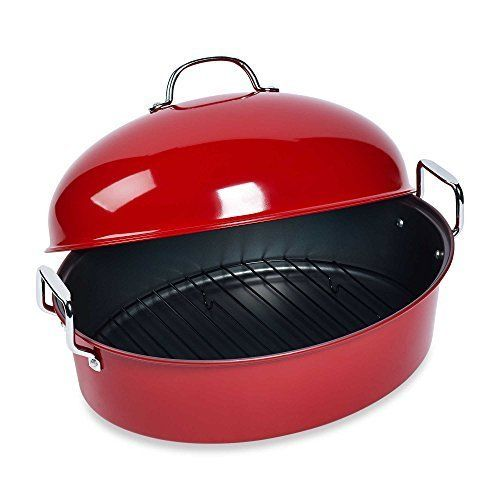
This is an oval-shaped pan with deep sides and a large domed cover. It generally has a flat rack included on the bottom of the pan. They are available in several sizes and materials, such as granite, anodized aluminum, and stainless steel. The meat is cooked with the cover on, which acts as an oven in an oven, resulting in the meat cooking more quickly and in a moister environment. This results in moist, tender meat. The deep-sided roasting pan, generally without the cover, is also used for casseroles.
Saucepan
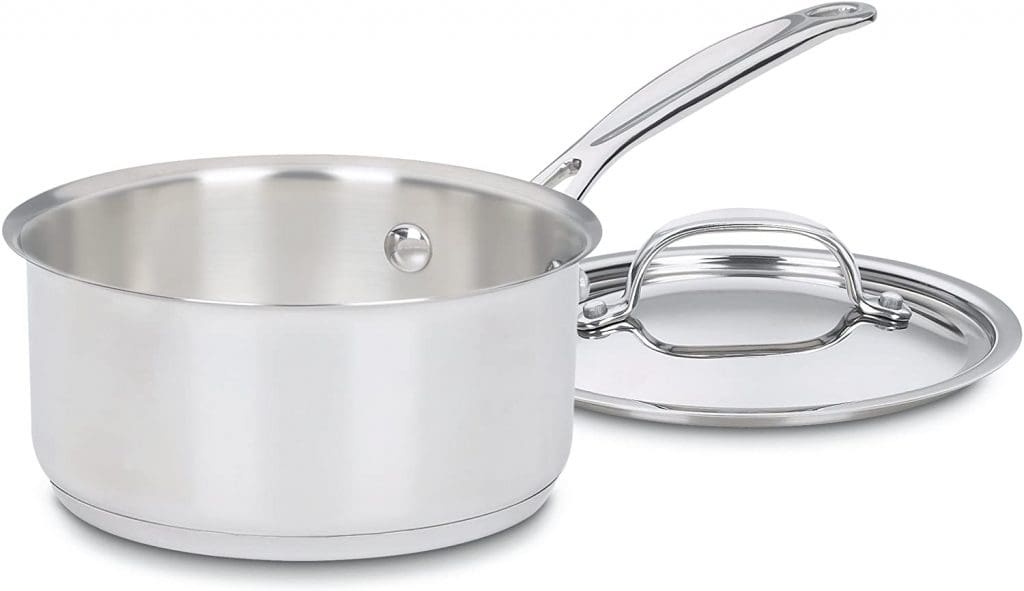
This is a round pot with high straight sides and a flat bottom that is used for several purposes, such as cooking vegetables, heating soup, and making sauces. The standard saucepan has straight sides but there are other styles available that are used for special purposes. A saucepan known as a Windsor, has sides that flare out and another known as a saucier has sides that are rounded. They are used to provide more exposed surfaces to speed up reducing a sauce by allowing more evaporation and they make it easier to stir and whisk food out of the corners. Saucepans are made of a sturdy material that is heat responsive, such as lined copper or stainless steel with an aluminum or copper core or bottom plate. They are available in several sizes. A small saucepan holds 1 to 1 ½ quarts, a medium holds 2 quarts, and a large saucepan holds 3 or more quarts. Most saucepans come with a snug-fitting cover.
Sautéing Pan
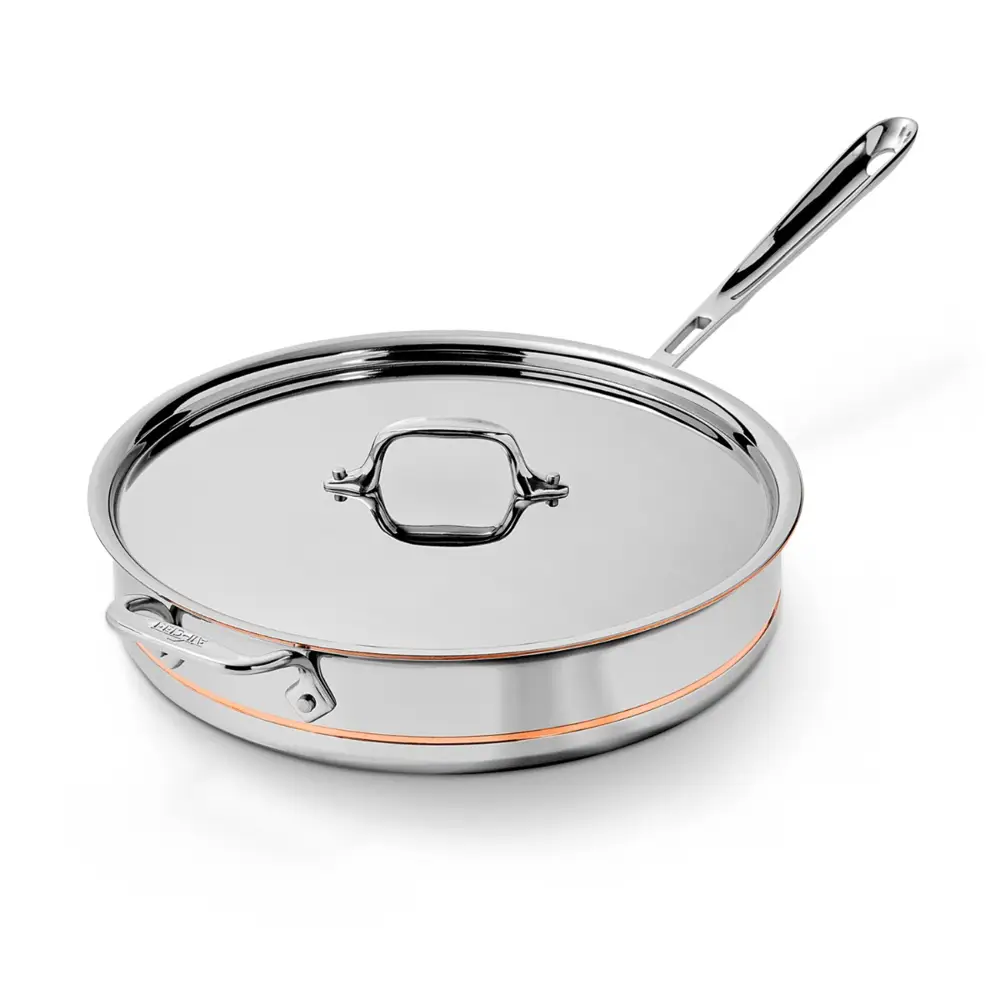
This is a pan very similar to the frying pan, only it has short, straight sides. It has a heavy gauge bottom and is made from a material that is heat responsive, such as lined copper, stainless steel with a copper or aluminum core, or anodized aluminum. It is used for sautéing foods but can also be used for frying foods. The pan should have a long handle and it generally comes with a cover. Some of the larger models have a loop handle opposite the long handle that is used to assist in lifting the pan. The sauté pan is available in various sizes, ranging from 6″ to 16″ in diameter and 2 ½” to 3 ½” in depth.
Sauteuse Pan
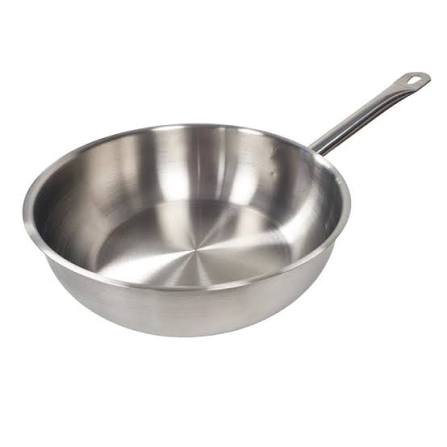
This is a round, lidded pan with small handles that is often used to sauté or braise a variety of foods. With short to medium height outward sloping sides, a sauteuse pan is a utensil for cooking casseroles, stews, and pasta dishes as well as meat and poultry dishes. Common in European households, this pan has a small curved handle on each side instead of a single straight handle and is typically available in sizes ranging from 2.5 quarts to 7 quarts.
Stir-Fry Pan
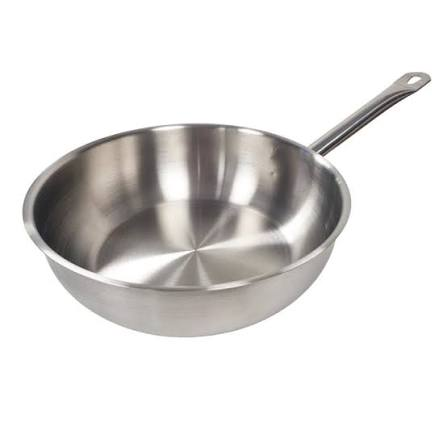
A round, deep-pan that may have straight sides with a slightly rounded base or more commonly a round base that slopes out and upward. Stir fry pans are available with several different-sized handle lengths that can be selected to match the cooking process. The pan allows heat to be well distributed across the base while the sloping sides make it easier to stir and turn ingredients as they cook. The Asian pan referred to as a “wok” is one traditional type of stir-fry pan while other versions are often available with bases and sides that are thicker in substance, not as curved, nor as deep as the wok pan. Stir-fry pans are often used to prepare and quickly sear multiple ingredients that go well together including various meats and vegetables mixed with sauces. The stir-fry pan is good for cooking food in a small quantity of oil and for retaining the colors and textures of the various ingredients.
Stock Pot
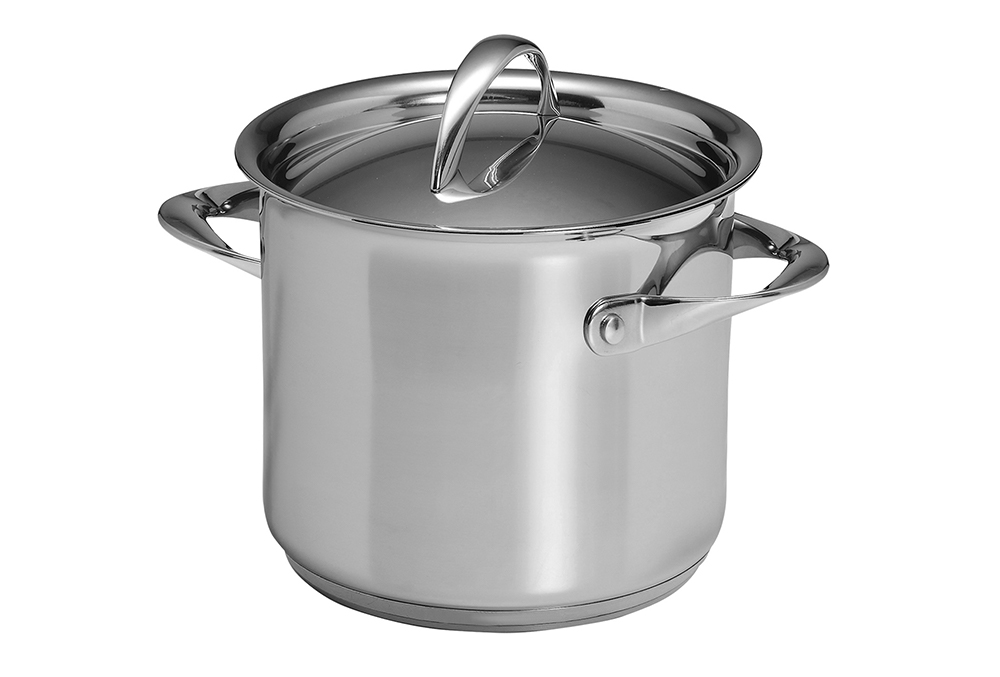
This is a deep, straight-sided pot that is taller than it is wide. It has two, securely attached, loop handles that are big enough to easily allow the use of potholders or oven mitts. It is used for simmering large amounts of liquid, such as stock, soups, and stews, but also works well for thick soups, chili and for boiling pasta. The pot does not need to be made of anodized aluminum or copper to promote a responsive heat reaction but should have a heavy bottom to protect against burning and scorching. Stockpots are available in sizes ranging from 6 quarts to 20 quarts and generally include a cover. Pots that are 10, 12 and 14 quarts are standard sizes that will satisfy many uses. You will find stock pots made of several different materials, such as stainless steel, aluminum, anodized aluminum, copper, and non-stick materials.
Pasta Insert
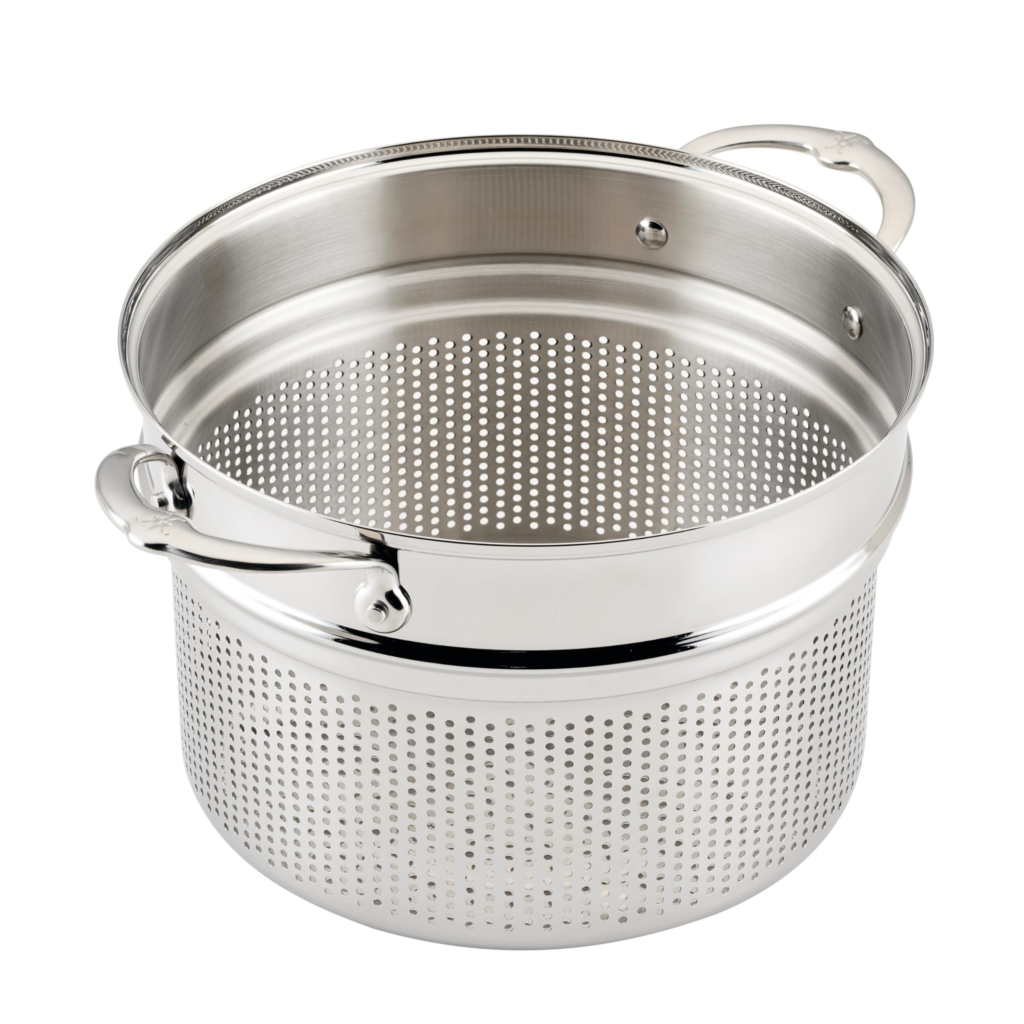
A perforated insert that fits inside a stockpot. The insert acts as a colander for draining pasta and is generally made of stainless steel.
Wok
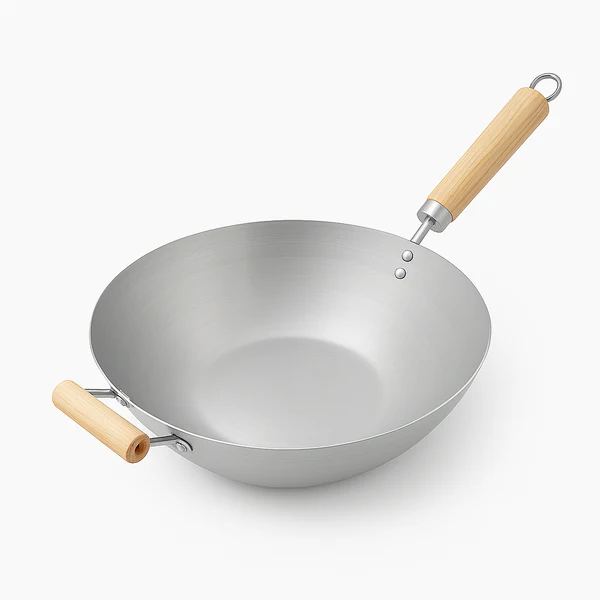
A bowl-shaped pan that is used to quickly cook food over high heat. It is available with a rounded or flat bottom. The traditional type wok has a rounded bottom and is used over a flame heat source, such as a gas burner. The flat bottom wok was designed to be used on an electric burner or a ceramic stovetop but can also be used on a gas stove. The rounded woks come with a ring that should be placed over the flames to hold the wok steady. Woks are available made from various materials, such as carbon steel, cast iron, stainless steel with aluminum inner layers, and metal with a non-stick coating applied. Cast steel and cast iron woks must be seasoned before they are used for the first time. Some varieties of woks have one long handle, some have two short handles and others have a long handle on one side and a short one on the opposite side. The wok is approximately 4 inches deep and can be 12 to 16 inches in diameter. The wok is most often used for stir-frying but can also be used for sautéing, steaming, deep-frying