
Topic · Kitchen Equipment Basics
Bakeware Materials
Bakeware can be made from several different materials. Each can have a different effect on the outcome of your baked goods. A dark-colored surface on the bakeware will cause the food to brown more easily because it absorbs the heat of the oven. An aluminum pan conducts heat evenly but its shiny surface reflects the heat, resulting in food that does not brown well. Some of the common materials are shown below.
Aluminum
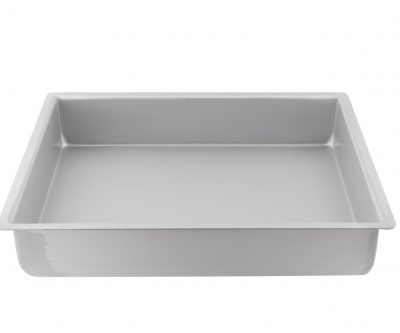
Aluminum is a good material for bakeware because it is a good conductor of heat, which results in even baking, but the shiny surface of the aluminum may prevent proper browning. Aluminum bakeware is durable and will not rust. For best results, look for bakeware made of a heavy-gauge aluminum rather than thinner, flimsy aluminum. The thinner bakeware may be less expensive but may warp when exposed to high temperatures, causing uneven baking. Aluminum bakeware should not be used for preparing acidic foods, such as tomato-based dishes, because of the acid in them and the aluminum may cause a reaction and result in food that has an off-taste. It may also cause the aluminum pans to have to be replaced more often.
Bakeware Care: Aluminum bakeware can be cleaned with hot soapy water and if extra cleaning is required, a nylon scouring pad or a special powder cleanser made for aluminum and stainless steel can be used.
Aluminum Foil
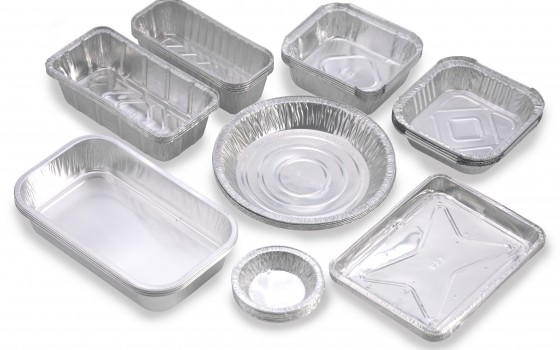
Constructed of a heavy gauge aluminum foil, this type of pan is used for a variety of foods and food chores such as pizza baking, bread baking, meat roasting, and numerous other cooking activities. They are generally considered to be a disposable pan, but they can be reused often if they are thoroughly cleaned after use. However, this type of pan is typically a good way to prepare baked goods and deliver them still in the pan to friends and family without worrying about the bakeware being returned. It is also a good alternative to regular bakeware or cookware when you need several pans for serving large groups of people. They work well for preparing egg, potato and casserole dishes.
Bakeware Care: Aluminum foil bakeware can be cleaned with hot soapy water and if extra cleaning is required, a nylon scouring pad can be used. The foil pans require careful handling to prevent them from being dented or bent out of shape. They can be cleaned in a dishwasher but to prevent denting or bending, care should be taken not to stack heavier dishes on top of them.
Anodized Aluminum
There are two types of anodized bakeware available, silver anodized and hard anodized bakeware. The difference between the two is explained below:
Silver Anodized: Silver anodized bakeware is made of aluminum that has gone through an electrochemical process that hardens its outer layer. This process gives the aluminum a scratch-resistant surface that is also stick resistant and it will not rust, peel or blister. The aluminum maintains its ability to conduct heat quickly and evenly and becomes more durable. Cooking times may need to be reduced when using anodized bakeware. It is recommended to check for doneness about two-thirds through the suggested baking time. Anodized aluminum is scratch resistant but you should be careful not to use sharp knives to cut food that is baked in these pans to prevent damage to the surface.
Bakeware Care: Silver anodized and hard anodized bakeware should be cared for in the same manner. They are easy to clean and do not rust. The bakeware should be washed by hand in hot soapy water and any food that is stuck should be soaked in water to loosen. Do not wash in the dishwasher.
Hard Anodized Aluminum
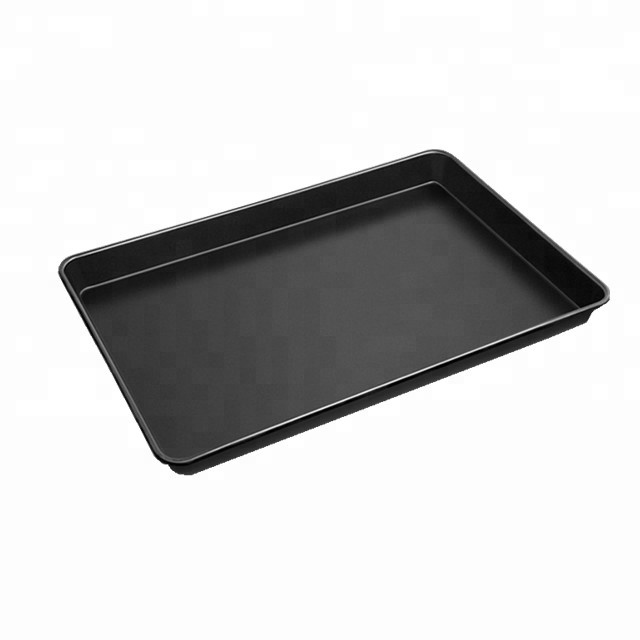
Hard Anodized: Hard anodized bakeware is very similar to silver anodized only the aluminum is processed for a much longer period of time. This produces a hardened surface finish that is about 10 times thicker than the silver anodized. Metal utensils, other than knives, can be used on hard anodized bakeware without causing any damage to the surface. Sharp knives may cause some scoring. The hard anodized bakeware has a darkened surface, which may affect the baking time required when using this type of bakeware. Check for doneness about two-thirds through the suggested baking time. Hard anodized bakeware can be cared for in the same manner as the silver anodized.
Bakeware Care: Silver anodized and hard anodized bakeware should be cared for in the same manner. They are easy to clean and do not rust. The bakeware should be washed by hand in hot soapy water and any food that is stuck should be soaked in water to loosen. Do not wash in the dishwasher.
Glass
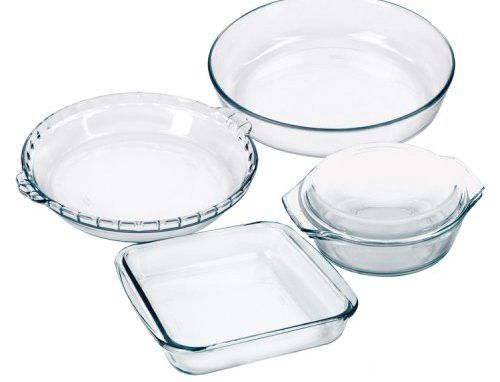
Glass ovenproof bakeware is made from tempered glass and conducts heat well. The food browns well in the glass ovenware. It is fairly easy to clean, does not stain, and does not react to acidic foods. Ovenproof glass can be taken from the refrigerator or freezer and placed in a hot oven, but when it is removed from a hot oven, it should be allowed to cool to room temperature before being placed in a refrigerator or freezer and before being exposed to water. Because glass bakeware heats up faster and holds the heat longer than metal bakeware, you may want to reduce the baking temperature by approximately 25° F from what is suggested on the baking instructions for the item you are baking. Experimenting with reducing the temperature will be the best way to decide if it gives you the results you desire.
Bakeware Care: To care for glass bakeware, wash with hot soapy water. Food that is stuck may be loosened by soaking in warm water or a nylon scouring pad can be used. Avoid using metal scrapers or abrasive cleaners.
Insulated
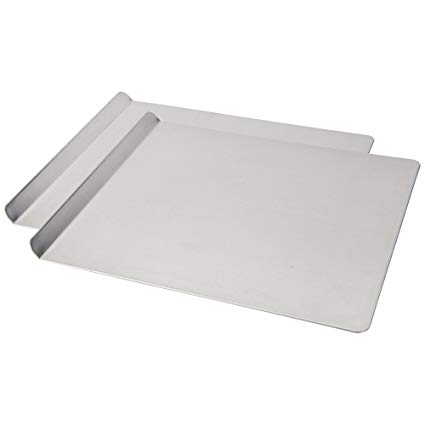
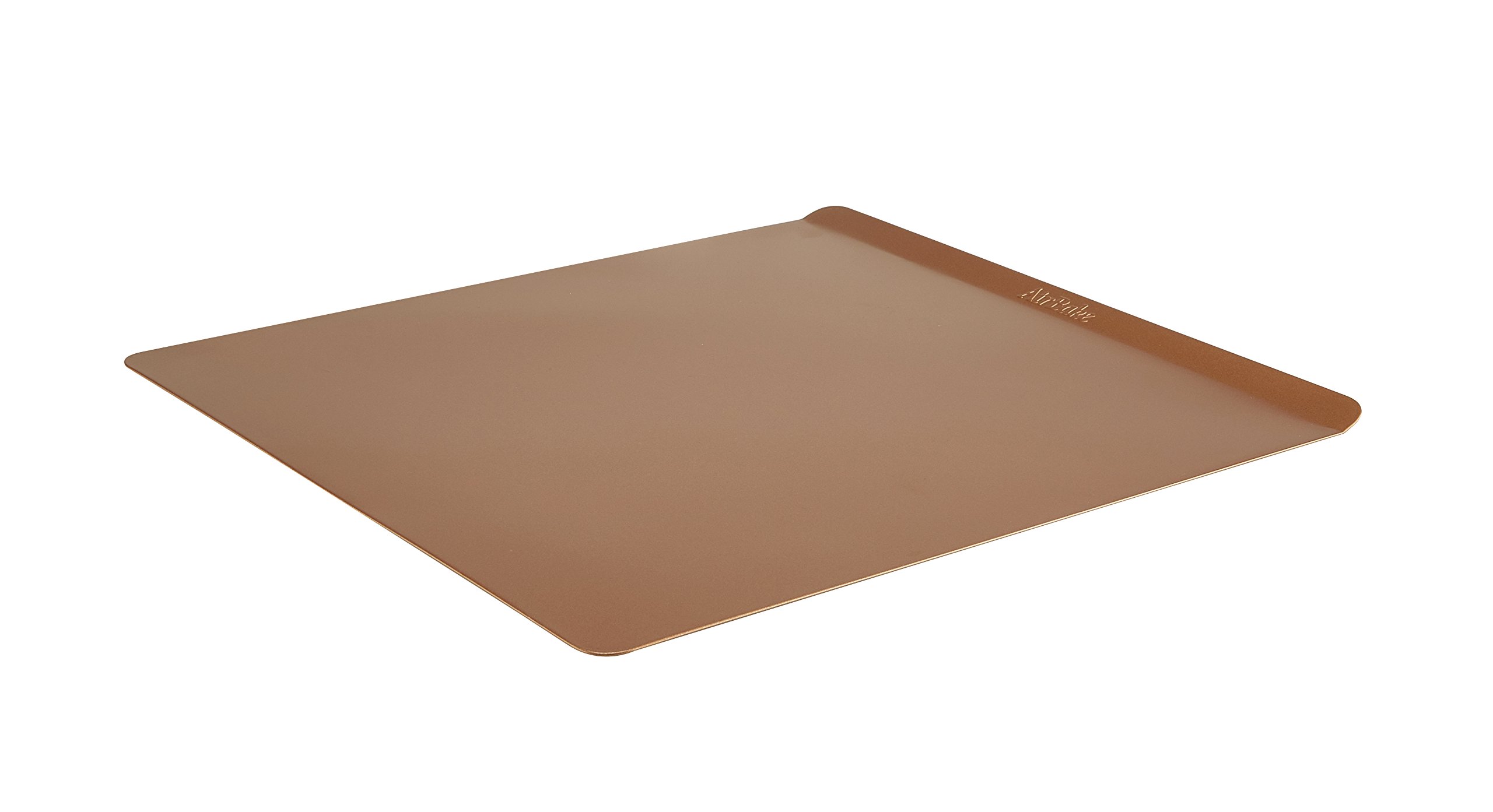
Insulated bakeware is made of two layers of metal that are cushioned by a layer of air. The layer of air provides for even baking and browning without burning. Look for insulated bakeware with a good non-stick coating otherwise food has a tendency to stick to the bakeware. The layers of the insulated bakeware provide more protection from the heat source than other bakeware so it heats up slower and the food does not brown as nicely. This may cause additional baking time for properly baked food.
Bakeware Care: To care for insulated bakeware, use care methods according to the type of material it is made from and if it has a non-stick coating, care for it in the same manner as other non-stick bakeware.
Non-stick Bakeware
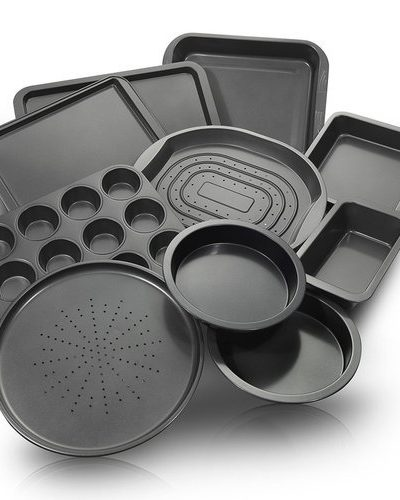
Non-stick bakeware consists of steel or aluminum that has had a non-stick coating applied to it. The coating allows the food to be easily released from the surface of the bakeware and makes for easy cleaning. Non-stick bakeware works well when you are baking items that need to be removed from the bakeware once they are done, such as muffins, cupcakes and layered cakes. The non-stick coating gives the bakeware a darker surface, which absorbs heat more quickly than bright or lighter colored bakeware. This can cause a problem with food becoming overly browned or dried out. Baking times and temperatures may have to be adjusted to compensate for this.
Bakeware Care: To care for the non-stick bakeware, wash in hot soapy water and for food that is stuck, soak in warm water to loosen. To prevent the coating from becoming scratched, do not use metal utensils or knives on the non-stick surface. Scratches in the coating may cause the coating to peel.
Silicone Bakeware
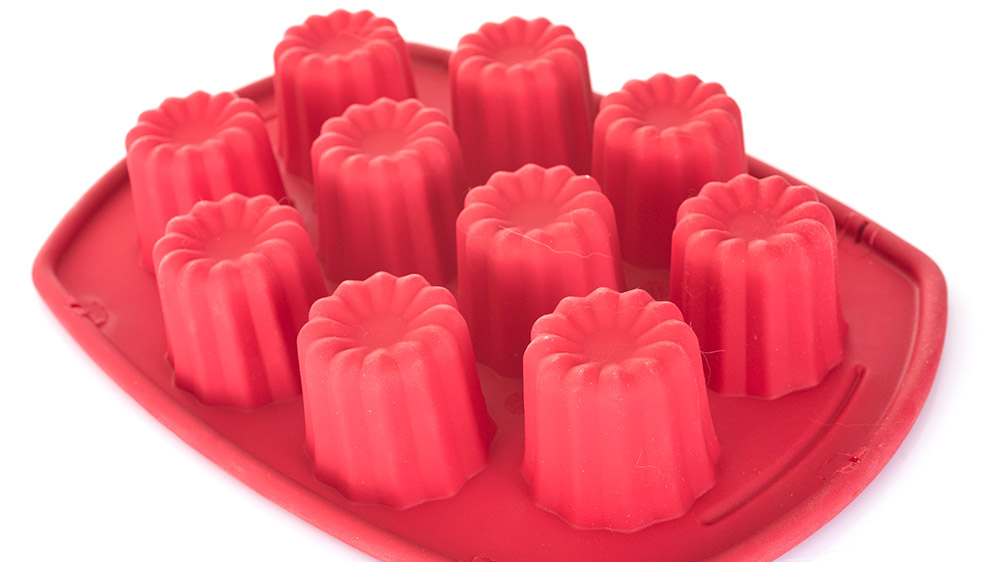
Silicone bakeware is a fairly new product that is used for baking molds. It is made of a flexible and bendable silicone material that can be used in the oven, microwave and freezer. The silicone bakeware does not absorb the heat like other bakeware but allows the heat to transfer evenly to the food. The cooking process stops immediately when food is removed from the oven, preventing additional browning of the bottom and edges of the food. It can withstand temperatures ranging from minus 40 to 580 degrees F. The bakeware can be folded for convenience in storing without damaging the material.
Bakeware Care: The silicone bakeware is also dishwasher safe.
Stainless Steel Bakeware
Stainless Steel Bakeware is available in stainless steel but is not recommended because it is not a good conductor of heat. It distributes heat unevenly and causes inconsistency in baked goods.
Bakeware Care: To care of stainless steel bakeware, wash with hot soapy water. A nylon scouring pad or nylon scraper can be used to remove food that is stuck. There are stainless steel cleaners that can also be used to remove stains and bring a shine back to the stainless steel.
Stone Bakeware
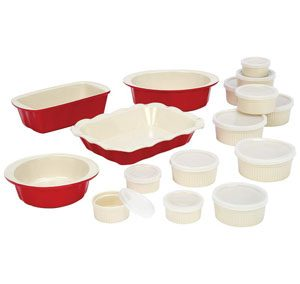
Stone bakeware is made from stone fired at a very high temperature. The firing of the stone produces a nonporous surface on the bakeware, which does not need glazing. The stone bakeware absorbs the heat from the oven and distributes it evenly. It retains the heat well and keeps food warm long after it is removed from the oven. Because the stone bakeware distributes heat so evenly there is less chance of burning and overcooking the food. It does take a little longer to heat up initially, so if you are baking something that only requires a short baking time, you may have to extend the time by a couple of minutes. Most stone bakeware must be seasoned before using for the first time. To season, rub or spray the surface with oil.
Bakeware Care: To care for stone bakeware, do not use soap to clean. Scrape off excess food and wash with warm water.
Tinned Steel Bakeware
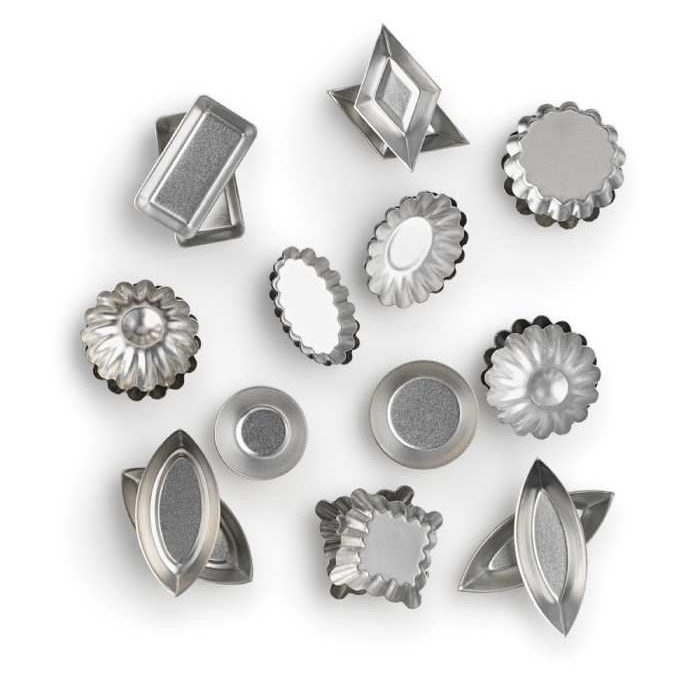
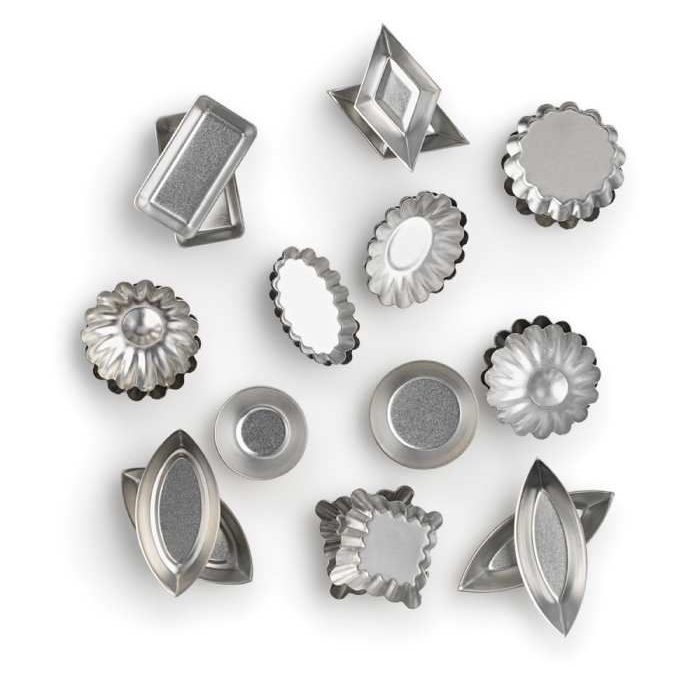
Tinned steel bakeware is made from sheets of steel that have been covered with a thin coat of tin, making it a good conductor of heat. The tin coating allows the bakeware to heat slowly and evenly. Tinned steel bakeware will darken after extended use, which may have an effect on baking times.
Bakeware Care: Special care must be taken to prevent tinned steel bakeware from rusting. It should be washed in hot soapy water and then dried thoroughly. It should then be placed in a warm oven and allowed to dry completely. Do not use metal scouring pads or abrasive materials to clean tinned steel.