
Topic · Kitchen Equipment Basics
Types of Bakeware
There are many different types of bakeware available for baking a variety of baked goods. Some types are essential in producing the desired end product and some bakeware can be used for several purposes. Bakeware can be found made of many types of material, such as tinned steel, stainless steel, glass, silicone, and stone. The type of material the pan is made from can have an effect on the cooking times or temperatures, requiring that they are adjusted. See bakeware materials above to find out which materials may affect the cooking times or temperatures.
Shown below are several types of bakeware with a description and common use for each:
Baking Dish
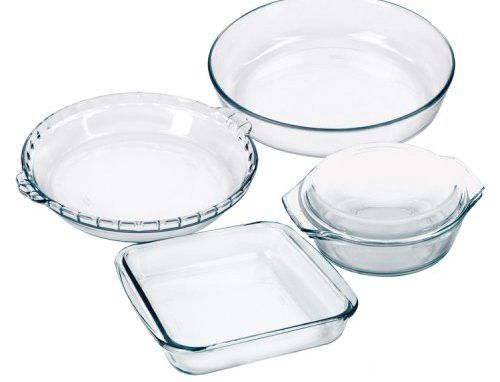
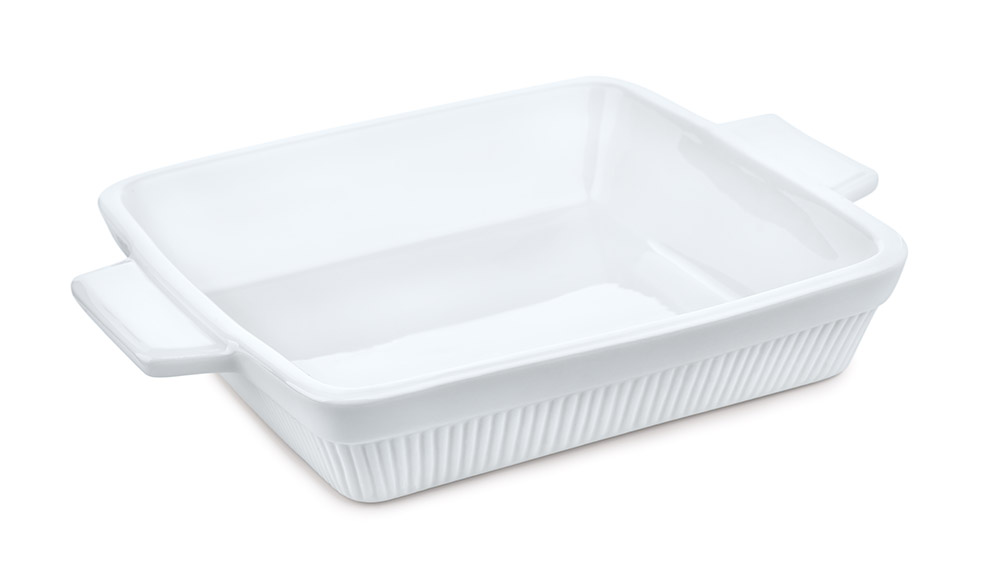
A baking dish is a flat pan with straight sides that are ¾ inches or taller, which is used for baking food in the oven. There are many sizes and depths available, but the most common size is 9 x 13 x 2 inches.
Other common sizes include: Square pans 8 x 8 inches in size or rectangular pans that are 7 x 11 inches, 10 x 15 inches and 12 x 18 inches by 1 or 2 inches in depth. Baking pans are used to hold runny batters, such as cake batter and thick solid masses of food, such as savory hot dish recipes. The foods are placed in the pan and then baked in the oven.
Baking pans are available in a variety of sizes, materials, surface textures and colors. Typical foods that are prepared in baking pans include cakes, brownies, bars, cornbreads, lasagna, egg dishes, cobblers, potato dishes, meats, poultry, and fish.
Baking Sheet
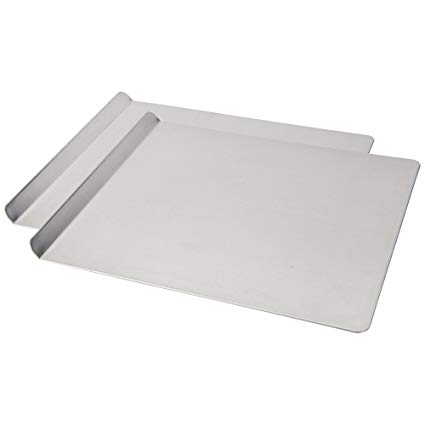
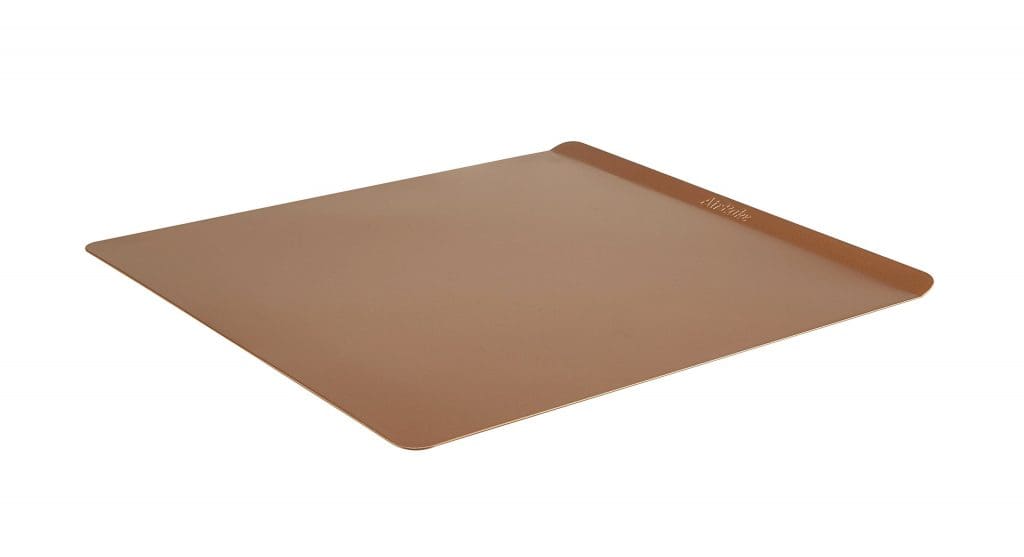
A baking sheet is a flat pan or sheet of metal that is used to bake products that are thick or stiff enough to stand on their own, such as cookies, freestanding loaves of bread, biscuits, pastries, and meringues.
Baking sheets, which are also referred to as cookie sheets, consist of a metal sheet that is flat with one or both of the short ends containing a slightly turned up lip that is used to aid in handling the sheets.
Baking pans with ¾-inch sides all around are often referred to as baking sheets or cookie sheets also. They can be used in the same manner as a flat baking sheet but they can also be used for baking runny batters.
Bread or Loaf Pan
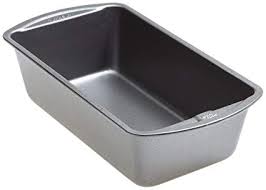
A bread pan or a loaf pan is a baking pan, rectangular in shape and deep walled, that is used to bake a single loaf of bread. Bread pans are typically made from aluminum, steel, glass, pottery, or stoneware. They are produced to make a semi-crisp crust with an evenly textured crumb, however, not all pans are effective in doing so. Bread pans range in size from 5 to 14 inches in length and 3 to 5 inches in width, with a 2 1/2 to 4-inch sidewall. A standard one-pound loaf pan is 8 1/2 x 4 1/2 x 2 3/4 inches in size. Smaller sized pans work well for making gift or dessert loaves that can be cooked in less time.
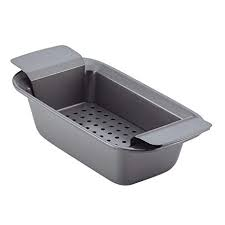
The larger loaf pans are also often used to make meatloaf. Bread pans are also referred to as loaf pans. Lo-Fat Loaf Pan: A loaf pan made as two separate pans, one fitting within and above the bottom or base pan. The insert piece allows grease to drip to the lower pan and away from the food. This pan is typically used for a dish such as a meatloaf but the bottom pan can be used on its own for baking bread.
Brioche Pan
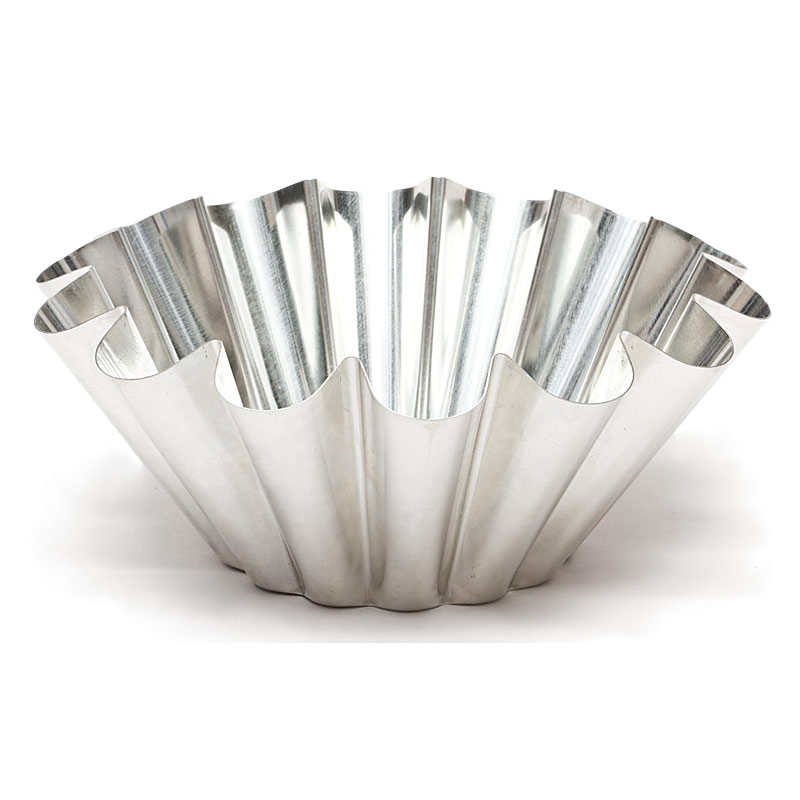
A Brioche pan is a type of pan or mold with fluted sides that is used to form the base of the traditional French bread known as Brioche. When making Brioche, a French dough is prepared with a light yeast and proportionally larger amounts of butter and eggs. It is baked using a Brioche pan or mold to form the alternating columns on the base of the bread.
Bundt Pan
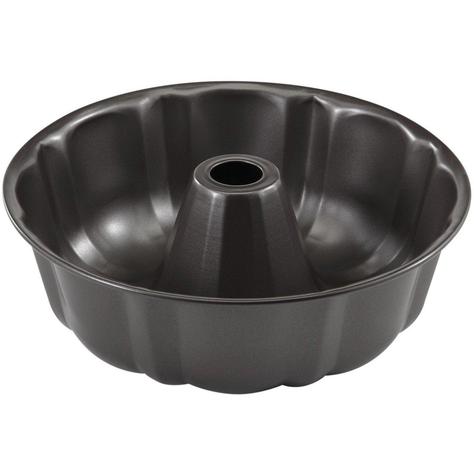
A Bundt pan is a heavy-walled baking pan formed with a decorative indented curvature and a hollow tube in the center. The heavier walled construction and hollow center tube allow cake batters to rise and bake more uniformly, creating a golden crust on the outside of the cake. After the ingredients are baked, the pan is turned over so the firm cake falls out onto a plate or counter, producing a decoratively shaped cake. This pan is generally used for baking coffee cakes and sweet cakes referred to as Bundt cakes.
Cake Pans
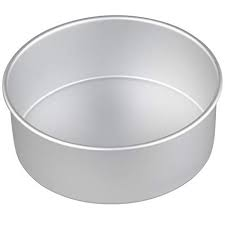
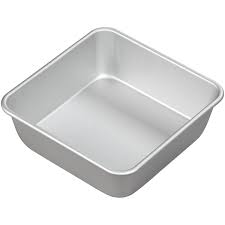
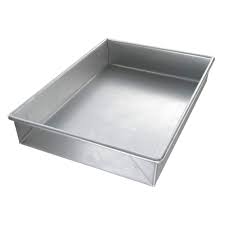
A cake pan is a baking pan commonly found in every kitchen. Cake pans can be round, square or rectangular and are available in several sizes. Probably the most popular is the 9 x 13 x 2- inch rectangular cake pan that is used to bake cakes, bars and savory dishes, such as Lasagna. Standard square cake pans are 8 or 9 inches wide and 1 ½ inches in depth. Round cake pans are used to make layer cakes and are generally found in 8 or 9-inch diameters and are 1 ½ inches in depth.
Doughnut Pan
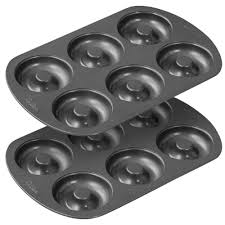
A doughnut pan is a pan that is constructed similar to a muffin tin except that the cups have a rounded bottom and a stem that comes up in the center of each cup to create the hole in the doughnut. The pan helps produce a lower calorie doughnut because they are baked rather than fried in oil. The doughnuts can be eaten plain or glazed, frosted, or rolled in powdered sugar. The pan is typically constructed of metal or silicone non-stick materials and is available in 6 or 12-cup sizes. It is also spelled as Donut Pan.
Flan Pan
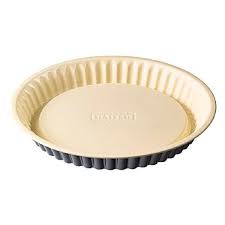
A flan pan is a shallow pan that has shallow sides that are generally fluted to provide a decorative edge to the item being baked. They are available in different materials, such as tinned steel, steel with non-stick coating and ceramic. The fluted sides of the flan pans are slightly slanted and some varieties have a loose bottom.
They are available in a range of sizes between 6 and 12 inches in diameter, and they are also available in a single serving size, which ranges in size from 3 3/4 to 4 3/4 inches in diameter. The flan pans are used to make flans and other dishes, such as tarts, cobblers, and quiches. The small individual flan pans are used to make single serving cakes, cobblers, loaves of bread, and tarts. The flan pan is also referred to as a Maryann Pan.
French Bread Pan
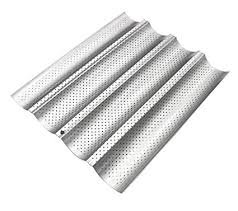
A French bread pan is a type of metal or aluminum pan that is 16 to 20 inches in length and formed with a curved base so that long lengths of dough can be laid horizontally in them to be baked into baguettes. Some pans are double or triple-formed for several loaves to be baked at once.
If made of metal, the pan may have numerous small holes that are perforated throughout the metal to allow steam to escape while the bread is baking in order to assist in making the crust a deeper brown in color and crispier in texture that is familiar to the traditional French crust. The pan is available constructed with non-sticking metal surfaces as well as porous clay stoneware.
Jelly Roll Pan
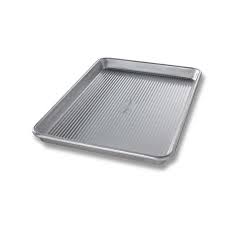
A jelly roll pan is a large rectangular-shaped baking pan with shallow sides, which generally have a rolled rim. The most common size is 10 x 15 inches but larger sizes are available, such as 12 x 17 inches and 13 x 18 inches. They have shallow sides that are 3/4 to 1 inch deep. They are made from a variety of materials, such as aluminum, stainless steel, or steel. Many have a non-stick surface. It is designed to bake a thin cake that is coated with a layer of jelly and then rolled up into what is known as a jelly roll. It is commonly used for baking sheet cakes, cookies and pastries.
Muffin Tin
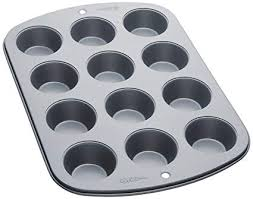
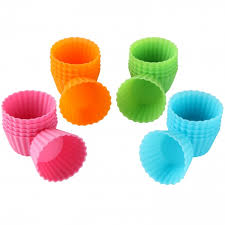
A muffin tin is a type of pan used for baking muffins. The pan typically will have 6 or 12 individual round pockets or holders connected to the tin and formed in the shape of a muffin. The muffin batter is poured into the individual pockets and as the muffin bakes, a top form over the pocket while the base of the muffin is baked in the shape of the cup.
Muffin tins are also often used to bake cupcakes. The tins are commonly available in 3 sizes ranging from those that bake a small or miniature muffin that is 1 to 2 inches in diameter, standard muffins that are 2 3/4 inches and large muffins approximately 4 inches in diameter. Individual muffin cups made from silicone are also available for baking individual cupcakes and muffins. Muffin tins may also be referred to as muffin pans.
Muffin Top Pan
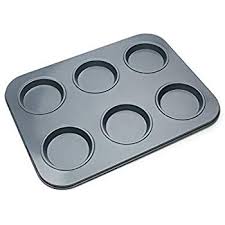
A muffin top pan is a muffin tin that has shallow cups that are approximately 1/2″ deep. If you prefer the crusty top of the muffin, this pan will produce basically just the top of the muffin. Its shallow cups allow the top to bake up brown and crusty while eliminating the finer crumb bottom. It is available in 6 cup or 12-cup pans. This pan can also be used to bake single-serving toaster cakes and individual buns. It is sometimes referred to as a bun pan.
Pie Plate
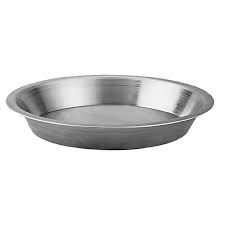
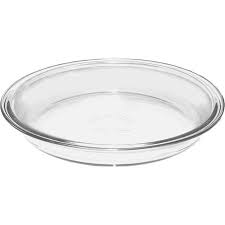
A pie plate is a round baking dish with shallow slanted sides that are 1 to 1 1/2 inches deep. The pie plate is available in several sizes. The most common sizes being 8, 9 and 10-inch diameters. They can be found to be made from many different materials, such as aluminum, glass, stoneware, ceramic and tinned steel.
Pie plates are used to bake the single crust and double crust pies. They are also available in a deep dish variety that has slanted sides that are 2 to 2 1/2 inches deep and range from 9 to 11 inches in diameter. The deep dish pie plate is most often used to bake a savory dish. A pie plate is also referred to as a pie tin.
Popover Pan
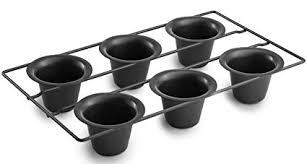
A baking pan or baking utensil as it may also be referred, specifically designed to hold popover batter so the popover, as it bakes, can rise up into a large, airy pastry-like shape. Larger than traditional muffin tins, the popover pan will typically be made with individual cups joined by wire racks that are constructed to hold the batter and keep the baked contents away from touching the adjacent popovers as they enlarge when baked.
The cup expands outward from the base as it moves up to the top of each cup where a lip is formed. The lip separates the base and the head of the baked popover so the base is uniform in shape and the head is allowed to bake into an irregular, puffy shaped popover, as the baked batter “pops” up and over the cup. Popover pans generally are available in several sizes, both giant and small. The number of cups included in each pan maybe 4 or 6. Smaller pans may hold as many as 8 or 10 cups for individual popovers.
Shortbread Pan
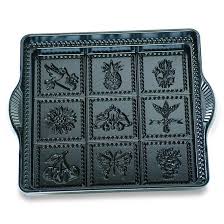
Constructed of heavy cast iron or a coated aluminum surface, this type of pan is made for baking shortbread cookies. Typically made with a non-stick surface, the Shortbread pan is filled with the rich, buttery flavored dough that is baked into a tender but crumbly texture for cookies and dessert crusts. Made to produce the traditional shape that is pressed into decorative molds and baked until solid, a Shortbread Pan is contoured with square or round pattern designs that include ridges so the biscuit-like cookies can be broken apart or scooped out evenly after cooking. This type of pan can bake not only shortbread cookies and biscuits but also cakes, dessert bars and various pan bread such as cornbread.
Springform Pan
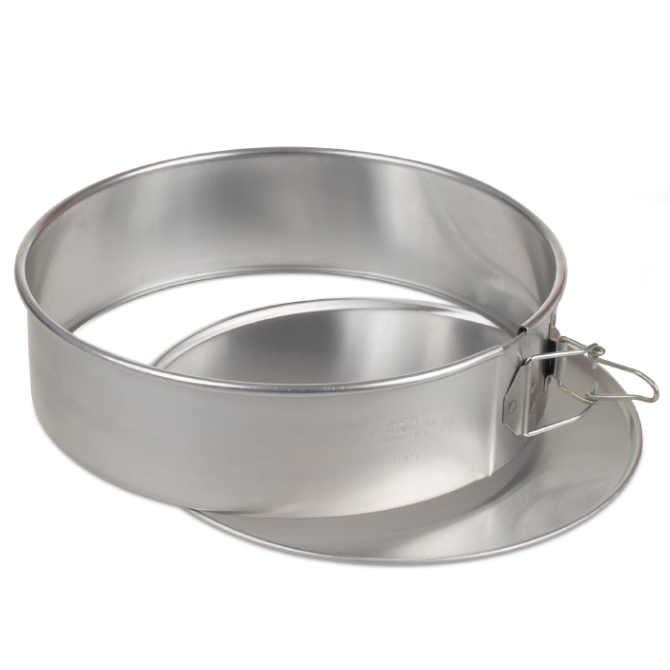
A round pan, with tall, straight sides that are removable. They can be found made of a variety of materials, such as tinned steel, steel, stainless steel, and carbon steel. Many have non-stick surfaces. They range in size from 8 to 12 inches in diameter with high sides of 2 1/2 to 3 inches. The most common size is a 9 or 9 1/2-inch diameter. The removable sides aid in removing cakes that would otherwise be difficult to remove, such as cheesecakes and tortes. When purchasing a Springform Pan, be sure the sides and base fit accurately together for a tight fit.
Tart Pan
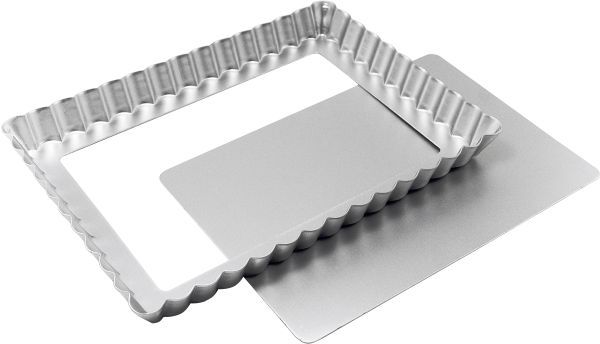
A tart pan is a round or oblong shallow pan with smooth or fluted sides and a removable bottom. The pan is constructed with a removable bottom so the baked tart can be pushed up out of the pan, allowing the contents to be removed easily and cleanly while retaining the shape created by the fluted sides.
Tart pans, which are manufactured with non-stick surfaces, are available in various sizes so tarts can be served as individual round servings or as pie-shaped servings. The small pans for individual round servings range in size from 3 to 5 inches in diameter while the larger pans for pie-shaped servings commonly range in size from 9 and 11 inches in diameter.
Tube Pan
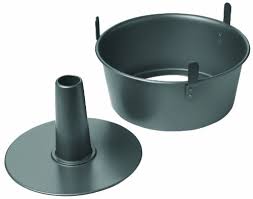
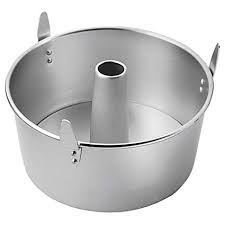
A deep baking pan that has a hollow tube in the center, which allows for more uniform baking. A tube pan is used for baking cakes such as angel food and sponge cake. The pan holds the ingredients and after being baked, the pan is turned over so the firm cake that has been formed into the decorative shape of the pan falls out onto a plate or counter to be prepared for serving. Tube pans can be made as a single piece of metal or as two pieces of metal consisting of a side and a flat round bottom that is removable. Also referred to as an Angel Food Cake pan.