
Topic · Kitchen Equipment Basics
Caring for Your Cutting Boards
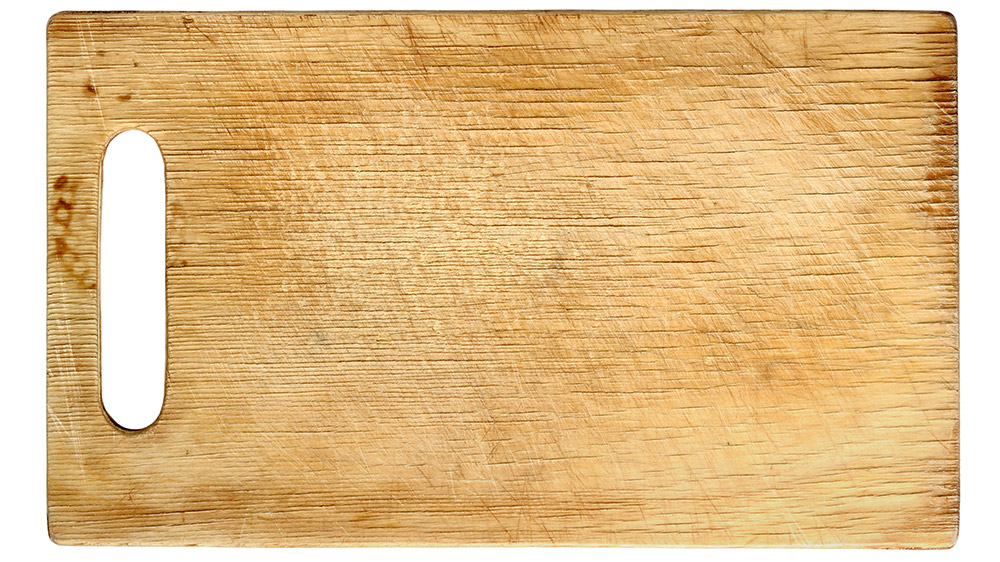
The old saying “when in doubt, throw it out” certainly applies for cutting boards. If you suspect that your board has too many deep cracks and cuts and sanitizing is not assured, it is definitely time to replace it.
- Regardless of the type of material, cutting boards should be washed in hot, soapy water immediately after use, and occasionally sanitized by adding chlorine to the water.
- Discard boards once they sustain cracks and cuts that can form a hiding place for raw food and bacteria, making them harder to clean completely.
- Avoid slicing foods with the same board and knife that was used earlier for raw food preparation. Change boards and knives to prevent contamination of other foods.
- After a good cleaning, ensure your boards are dried completely before storing.
- Use of the dishwasher is recommended for plastic boards only as wooden boards will tend to dry out and crack, reducing their lifespan.
- Always cut raw meats, fish and poultry on a board that is very easy to sanitize.
- Thick wooden boards could be resurfaced by sanding or thickness planning; however, ensure that any finish applied is deemed “food safe.” The same holds true for homemade wooden boards.