
Lesson · Food Handler Certificate
Why Every Restaurant Needs a Food Safety Plan?
Learning Objectives
By the end of this lesson, learners will be able to:
- Understand what a Food Safety Plan is and why it is essential for any food business.
- Recognize the risks of operating without a proper plan in place.
- Explain the legal, financial, and reputational benefits of having a Food Safety Plan.
- Identify the key components that make up an effective Food Safety Plan.
What Is a Food Safety Plan?
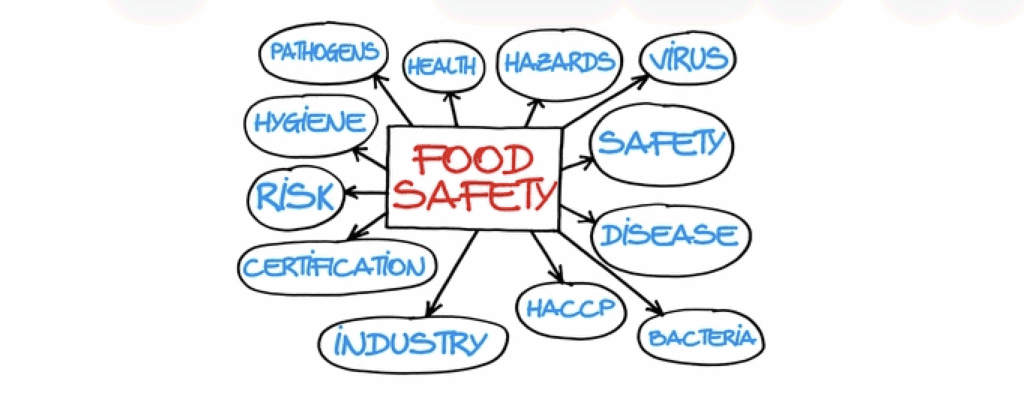
A Food Safety Plan (FSP) is a documented system that outlines how a food business identifies, monitors, and controls food safety hazards in its operation.
It serves as the blueprint for preventing foodborne illness, covering every stage of food handling from receiving and storage to cooking, cooling, and serving.
At its foundation, a Food Safety Plan follows the principles of Hazard Analysis and Critical Control Points (HACCP), ensuring that each step in the process is managed to keep food safe for consumption.
Legal Requirement and Compliance
In most regions, including under Canadian Food Inspection Agency (CFIA) guidelines and provincial health authorities such as Vancouver Coastal Health, every food establishment is required to maintain a Food Safety Plan.
Failure to develop or follow an approved plan can lead to:
- Health inspection closures or fines
- Suspension or loss of business licenses
- Legal liability in the event of a customer illness or outbreak
- Long-term damage to reputation and customer trust
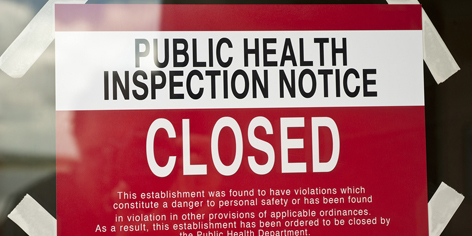
Even small cafés and bakeries must have clear systems in place to manage food safety risks.
Protecting Customers and the Business
Foodborne illness outbreaks can destroy a restaurant’s reputation in a single incident.
Without a proper plan, contamination risks increase and mistakes go unnoticed. The results can include negative publicity, online backlash, revenue loss from closure, and even lawsuits.
A documented Food Safety Plan shows inspectors, customers, and staff that you take public health seriously. It demonstrates professionalism and accountability.
Financial Benefits
A well-implemented Food Safety Plan also provides measurable business benefits:
- Reduced food waste through better control of time and temperature.
- Fewer staff errors thanks to standardized procedures.
- Lower insurance and liability risks through compliance.
- Improved efficiency and consistency in kitchen operations.
Good safety management is not just about avoiding penalties; it supports profitability and smooth daily operations.
Staff Training and Accountability

Your Food Safety Plan serves as a training and reference guide for all team members.
It clearly defines:
- How food must be handled and stored safely.
- When and how temperatures and cleaning tasks must be logged.
- What steps to take when a hazard or deviation is identified.
This builds a culture of responsibility and consistency, helping new staff adapt quickly and seasoned staff maintain high standards.
Key Components of a Food Safety Plan
A complete plan usually includes:
- Hazard Analysis – identifying potential biological, chemical, and physical hazards.
- Critical Control Points (CCPs) – steps where hazards can be controlled, such as cooking or cooling.
- Monitoring Procedures – how and when data like temperature readings are recorded.
- Corrective Actions – what to do when limits are not met.
- Verification Procedures – confirming that controls are effective.
- Record-Keeping – maintaining logs and documentation as proof of compliance.
Example Scenario
Consider a restaurant that serves chicken sandwiches.
Without a Food Safety Plan:
- Refrigerators are not checked regularly.
- Cooked chicken is cooled improperly.
- A customer becomes ill, and there are no temperature records available for inspection.
With a Food Safety Plan:
- Fridge and cooking temperatures are logged twice a day.
- Cooling procedures are monitored and recorded.
- Staff know exactly how to respond if a temperature is out of range.
The difference is clear: a system that prevents problems before they occur and demonstrates compliance at all times.
Summary
A Food Safety Plan is the foundation of a safe, efficient, and trustworthy food operation.
It protects the public, safeguards the business, and ensures compliance with health regulations.
More importantly, it promotes consistent standards and daily habits that make food safety a natural part of your restaurant culture.
Reflection Question
Think about your current kitchen or a restaurant where you have worked.
What potential food safety risks could exist in daily operations, and how could a Food Safety Plan help control or prevent them?