
Topic · Food Handler Certificate
At the Industry and Government Level
Food companies are dedicated to food safety. They rigorously monitor processes and test their products. In many cases, harmful bacteria enter food after the food has left the food processing plant, and usually, when workers handle, store, and prepare the food improperly.
Consumers should always follow the food manufacturer’s cooking and storage instructions found on the product label. Many labels also tell if a product was pasteurized (heat-treated) to kill harmful bacteria.
Prevention is mainly the role of the state through the definition of strict rules of hygiene and public services. These services begin with veterinary surveying of animal products in the food chain, and additional farming, industry, and delivery (shops and restaurants) inspections.

This regulation includes:
- Traceability: In a final product, it must be possible to know the origin of the ingredients (originating farm, identification of the particular source animal or harvesting form), and where and when it was processed. The origin of the illness can thus be tracked and solved (and possibly penalized), and the final products can be removed from the sale if a problem is detected
- Enforcement of hygiene procedures like Hazard Analysis and Critical Control Points (HACCP) and the “cold chain.”
- Power of control and law enforcement by veterinarians
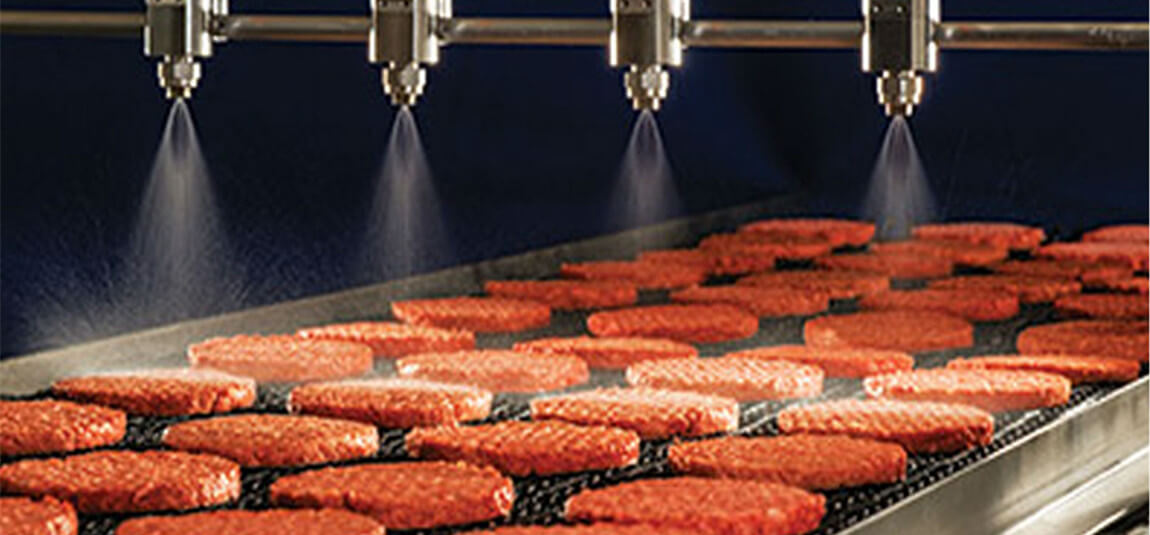
In August 2006, the United States Food and Drug Administration approved Phage therapy, which involves spraying meat with viruses that infect bacteria and thus prevent infection. This process has raised concerns because, without mandatory labeling, consumers would not be aware that meat and poultry products have been treated with the spray.