
Topic · Food Handler Certificate
Natural Toxins
Several foods can contain toxins naturally, many of which are not produced by bacteria. Plants, in particular, may be toxic. Animals that are poisonous to eat are rare. In evolutionary terms, animals can escape being eaten by fleeing, and plants can use only passive defenses such as poisons and undesirable substances, for example, capsaicin in chili peppers and pungent sulfur compounds in garlic and onions. Most animal poisons become poisonous by eating poisonous plants to which the animal is immune, or by bacterial action.
Examples:
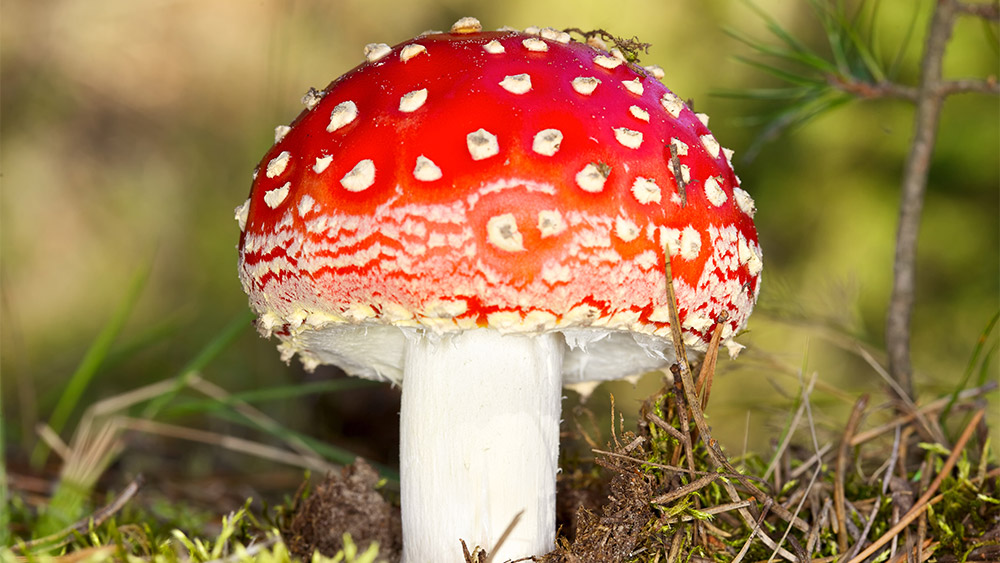
Fly Agaric
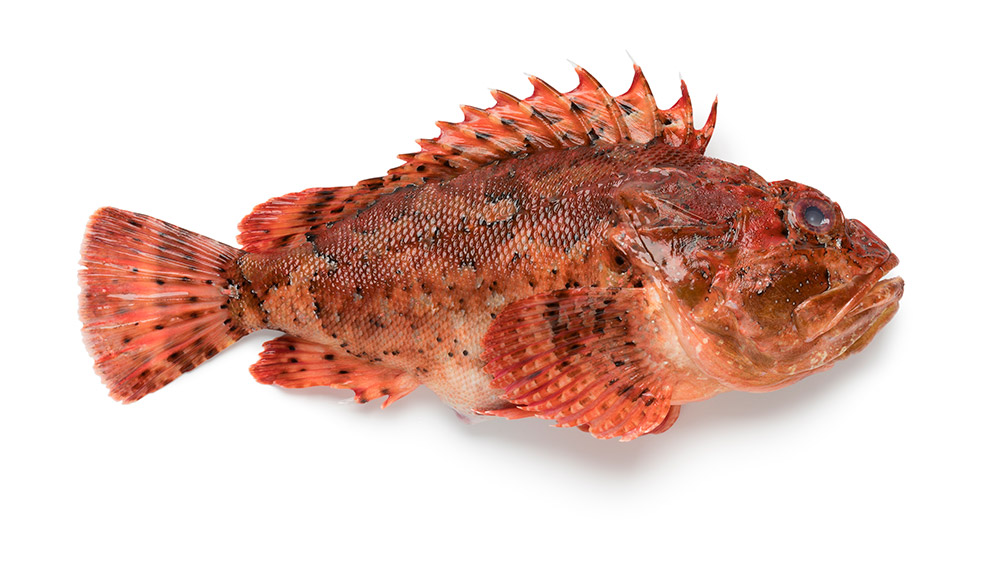
Skorpion Fish
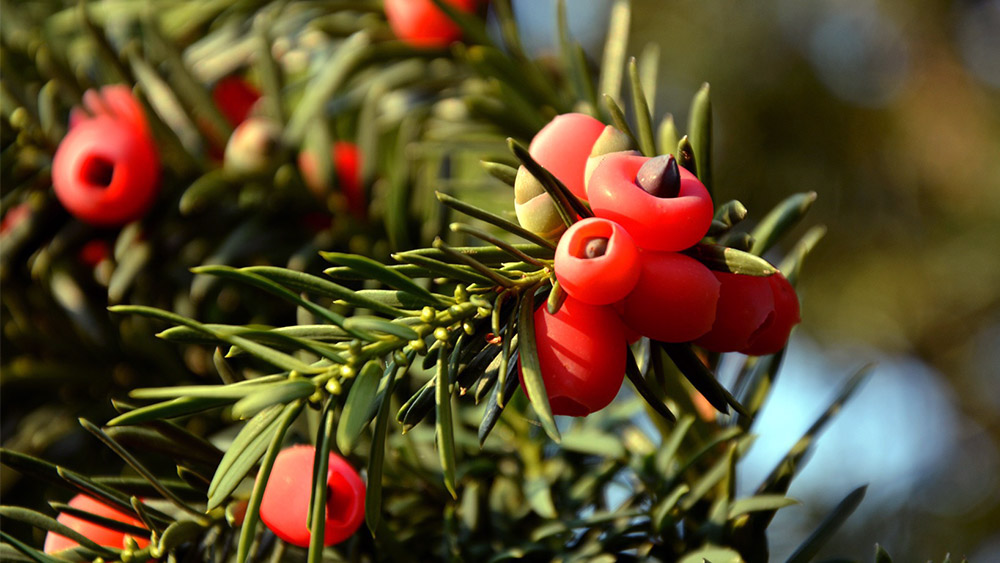
Yew Berries
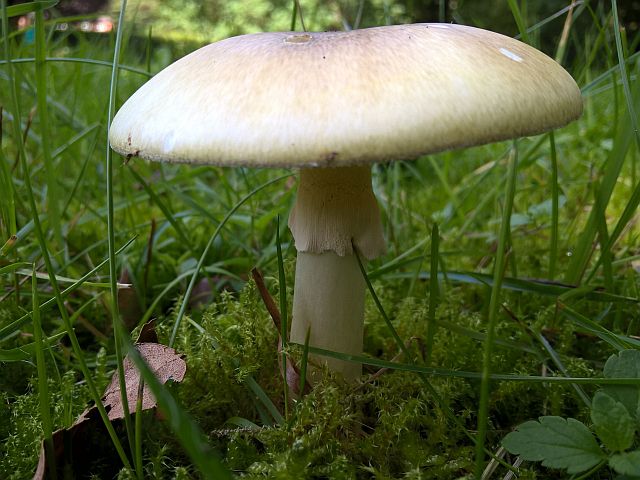
Death Cap (Amanita phalloides)
Perhaps the deadliest of all mushrooms, the death cap is found throughout Europe, especially in Australia, British Columbia, and more recently in California. It closely resembles edible straw mushrooms and caesar’s mushrooms. Its heat-stable amatoxins withstand cooking temperatures and quickly damage cells throughout the body.
Within 6 to 12 hours after consumption, violent abdominal pain, vomiting, and bloody diarrhea appear, causing a rapid loss of fluid from the tissues and intense thirst. Signs of severe involvement of the liver, kidneys, and central nervous system soon follow, including a decrease in urinary output and a lowering of blood sugar. This condition leads to coma and death in more than 50 percent of the incidents. Notable deaths include Pope Clement VII, who died of accidental death cap poisoning in 1534, and possibly Roman Emperor Claudius in 54 CE.