
Topic · Food Handler Certificate
Produce
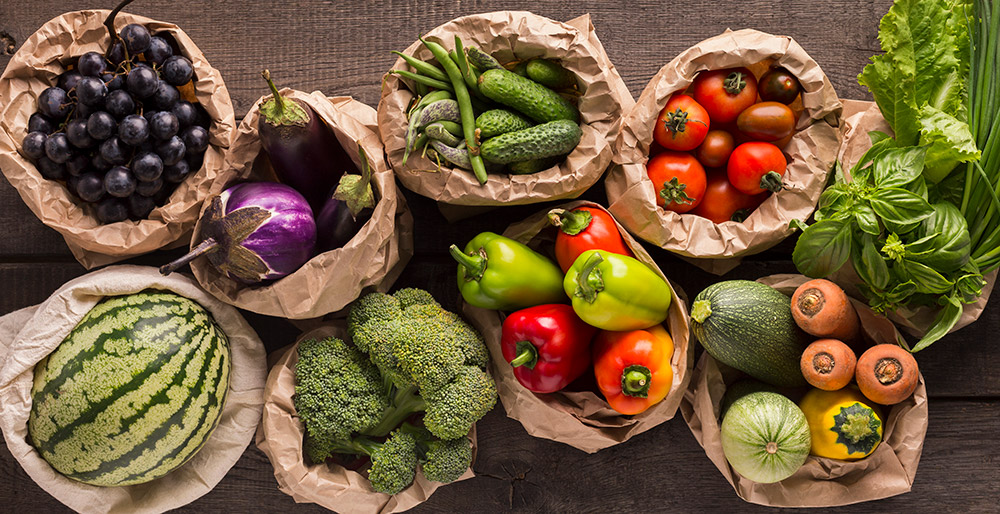
Produce is delivered in bags, cases, or cartons. Count the number of pieces, weigh items, and check for quality. Open any closed cases and boxes to check the produce for ripeness, freshness, and other signs of quality. When there are mistakes in delivery or an unacceptable quality of food has been received, you should insist that the supplier pick up the item and issue a credit.
Most produce is stored in the refrigerator at 2° to 4°C (36° to 39°F) to ensure freshness and to prevent rapid deterioration. There are, however, a number of exceptions, including potatoes and bananas, which should be stored at higher temperatures.
Keep these factors in mind when storing produce:
- Soft fruits should not be stored for too long. It is often best to buy soft fruit as you need it, keeping very little on hand.
- Unripe fruit can be ripened at storeroom temperatures of 10°C to 15°C (50°F to 59°F). It will ripen much more slowly under refrigerator conditions.
- Before storing and when rotating stock, it is vital to remove rotting fruit from cases as one piece can affect others. The chain reaction can quickly destroy the quality of a whole case of fruit.
- Be aware of particular storage problems. For example, bananas stored in the refrigerator turn black quickly. Bananas should be stored under conditions where the temperature range is 10°C to 15°C (50°F to 59°F).
- The length of time produce can be stored widely. For example, hardy vegetables such as carrots and cabbage will last for weeks, while delicate vegetables such as lettuce should be bought as fresh as possible as they do not keep for long.
- Moisture on vegetables tends to soften them, causing rot. Even though in the early stages of rot, there is nothing basically wrong with such vegetables, they can be unattractive to the eye.
When produces food is deteriorating, you will notice:
- Fruit goes soft, gets darker, and quickly rots.
- Vegetables start wilting and then become slimy and rotten.