
Topic · Food Handler Certificate
Handling a Foodborne Illness Complaint
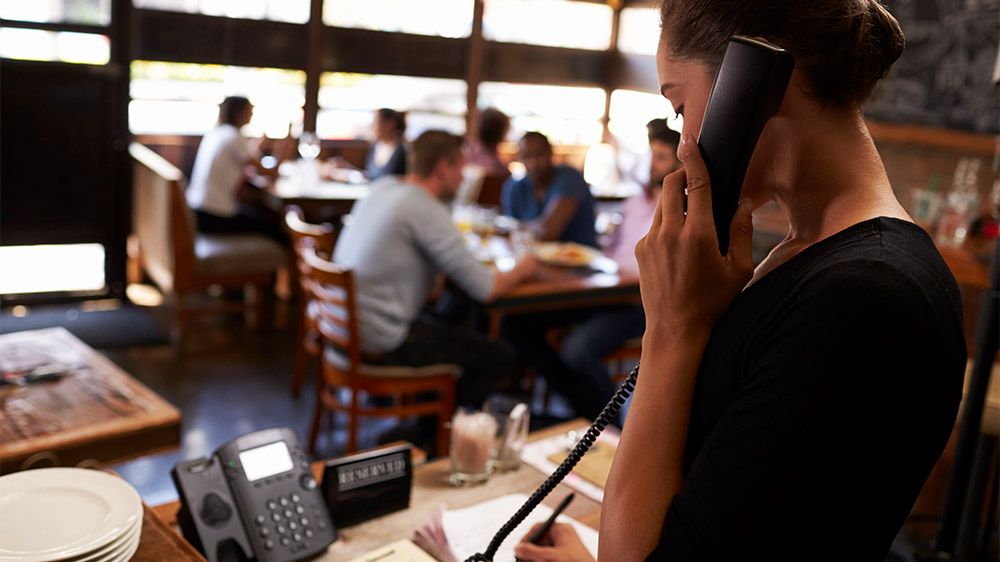
Every complaint you receive about a foodborne illness should be taken seriously. These complaints can have a severe impact, not only for your customers but also for your business. If the authorities decide to close your business, your reputation is at stake. It takes no time for words to spread through social media.
Above all, it is crucial to act quickly to prevent others from getting sick.
In some cases, customers blame you even if you are not responsible for the intoxication. Many people do not realize that it may take a few hours before showing any signs of foodborne illness. They think it was the last meal that made them sick when it may be something they ate hours ago.
In any case, always examine the complaint to be sure that you are not the origin. Taking the time to handle the complaint with seriousness and professionalism demonstrates that you value your customer’s well-being and the safety of the food you serve.
In some jurisdictions, it is mandatory to report intoxication complaints, so be sure to check the regulations in your area. For example, in France, in the case of 2 complaints on the same product, the restaurant owner has the legal obligation to inform the authorities.
Steps in handling the complaint:
The lack of regulation does not mean that you should not do anything. The consequences of playing the politics of the ostrich can be dramatic in some cases, both for your client and for your business.
- Collect as much information as possible:
- customer contact information: name, address and phone number
- details about what they ate and when including the date and time
- if other members of their party ate the same food
- if other members of their party are suffering from a foodborne illness
- what symptoms do they experience?
- when did symptoms start?
- did they visit a doctor, and if so, what was the diagnosis? If they did not, and they are still sick when they call you, recommend that they do. Never attempt to suggest treatment, you are not a doctor.
- did they contact the health authorities? Encourage them to do so.
- Contact the authorities – Contact the local health authority yourself with the information you have recorded. They will decide the next course of action , and if it is necessary to sample and analyze the food, to identify the source of the disease. They might ask you to keep leftovers from the suspected dish.
- Investigate the complaint – Your food may not be the culprit but exercise due diligence. Inquire with your staff about what could have caused the disease. Review food safety records, checklists, work schedules, and other documents.
Be prepared
Don’t’ wait for something to happen, to plan for the situation. Set up a crisis management team that understands its responsibilities if the worst happens. Think about all the serious incidents that can occur in the food sector and how to solve them. In case of a complaint, knowing what to do will remove a large chunk of stress when handling it.
Some health authorities provide a “Foodborne Illness Report Form.” Check with your local health authority or create your own to make sure that you are not missing any information.