Topic · Cook-Along: Salads & Side Dishes
Vinegar: History, Making and Types
Vinegar is the acid in most salad dressings, and it does much more than make things sour. A good vinegar brings aroma, depth and balance, and the right one can turn a plain salad into something memorable. The word comes from the old French vin aigre, “sour wine”.
A very old ingredient
People have made vinegar for thousands of years. Traces have been found in Egyptian urns from around 3000 BC, Chinese texts describe it about a thousand years later, and the Babylonians, Greeks and Romans all used it to season, preserve and even to drink diluted with water. It is mentioned in the Bible, and in Islamic tradition it is called a blessed seasoning. In the Middle Ages, balsamic vinegar was given as a gift to kings and even used as a remedy. In 1864 Louis Pasteur showed that vinegar is the result of a natural fermentation by bacteria.
How vinegar is made
Vinegar is made in two fermentations:
- Alcoholic fermentation: yeasts turn the sugars of a fruit juice or grain into alcohol, giving wine, cider, beer or rice wine.
- Acetic fermentation: acetic acid bacteria, helped by oxygen, turn that alcohol into acetic acid. The result is vinegar, usually with 5 to 7% acidity.
The slow method, used for traditional vinegars such as the famous Orléans vinegars of France, lets the liquid ferment in wooden barrels over weeks or months. A soft, jelly-like layer of bacteria and cellulose forms on the surface: the mother of vinegar. It is harmless, and a piece of it can be used to start a new batch. Slow vinegars are more complex and aromatic.
The fast method, used for most commercial vinegars, adds a bacterial culture and pumps air through the liquid in large tanks, producing vinegar in one to three days. It is cheaper and more neutral in flavour.
If you see a cloudy strand or a jelly disk in an old bottle of unpasteurized vinegar, it is simply a new mother forming. Strain it out or use it to make your own vinegar.
The vinegars every cook should know
- Red wine vinegar: the everyday vinegar of France and the Mediterranean. Robust and fruity; perfect for a classic vinaigrette, lentil and potato salads and marinades. Quality varies widely; the best are aged in wood.
- White wine vinegar: lighter and cleaner. Use it when you want a pale dressing, for béarnaise and hollandaise reductions, and for pickling.
- Champagne vinegar: delicate and elegant, for fine greens, seafood and fruit salads.
- Sherry vinegar (vinagre de Jerez): from southern Spain, aged in oak casks. Nutty, round and complex. Wonderful with walnut oil, roasted vegetables and in gazpacho.
- Balsamic vinegar: from Modena and Reggio Emilia in Italy (see below). Sweet, dark and syrupy.
- Apple cider vinegar: made from fermented apple juice. Fruity, slightly sweet; good with cabbage, apples, root vegetables and pork. Often sold unfiltered with the mother.
- Rice vinegar: mild and slightly sweet, the vinegar of Japan and much of Asia: sushi rice, cucumber salads and Asian dressings. Seasoned rice vinegar already contains sugar and salt.
- Malt vinegar: made from barley beer; strong and malty. The British vinegar for fish and chips.
- Distilled white vinegar: sharp and neutral. Useful for pickling and cleaning, but too harsh for most salads.
Vinegars from around the world
- Chinese black vinegar (such as Zhenjiang vinegar): made from rice, wheat or sorghum, aged, dark and malty; for dipping sauces and stir-fries.
- Japanese kurozu: a lighter black rice vinegar.
- Coconut and palm vinegars: cloudy, sharp and slightly yeasty; essential in Filipino cooking.
- Cane vinegar: from sugar cane juice; mellow, golden, not sweet.
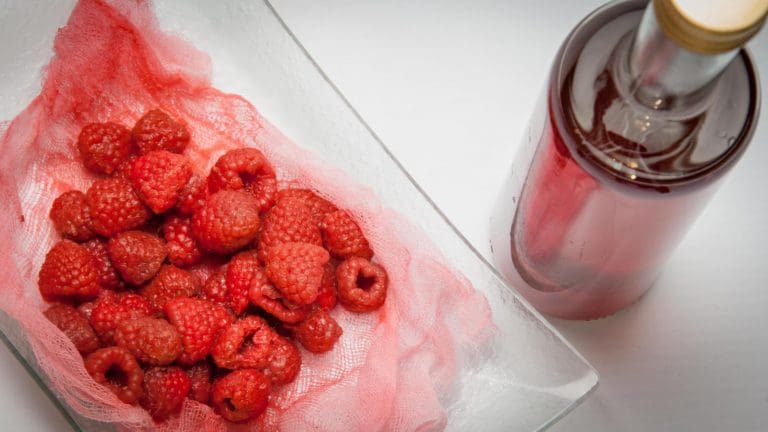
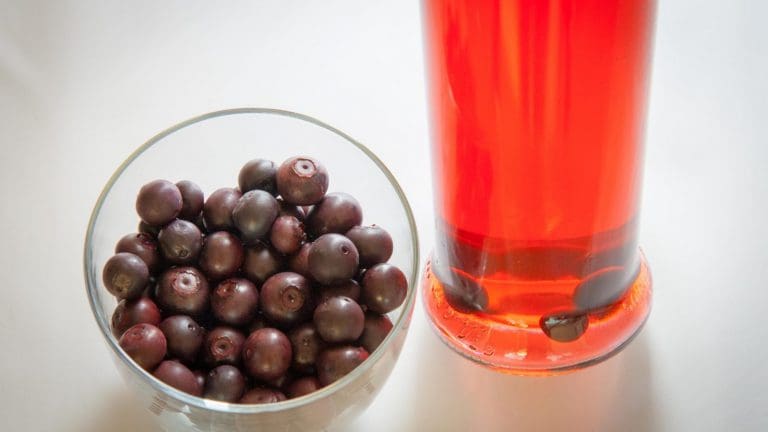
- Fruit vinegars: raspberry, blackcurrant, fig, quince, persimmon. Made from fruit wines, they keep the taste of the fruit.
- Beer, date, raisin and honey vinegars: regional specialities from Germany, the Middle East, Italy and France.
Balsamic vinegar: the real thing and the everyday kind
True balsamic vinegar is made in Modena and Reggio Emilia from cooked grape must (the juice of Trebbiano and Lambrusco grapes, with skins and seeds). The must is aged for years in a series of progressively smaller barrels made of different woods, such as oak, chestnut, cherry, mulberry, ash and juniper. Each year a little vinegar evaporates and the rest is moved down the line, concentrating and taking on the aromas of each wood.
- Aceto Balsamico Tradizionale di Modena DOP (or di Reggio Emilia): aged at least 12 years, or 25 for “extra vecchio”. Thick, sweet and complex, sold in small bottles at a high price. Use it by the drop on Parmesan, strawberries, risotto or grilled meat, never in a vinaigrette.
- Aceto Balsamico di Modena IGP: the everyday balsamic. Grape must blended with wine vinegar and aged at least 60 days. Quality varies; check the label and avoid those with caramel and thickeners listed first.
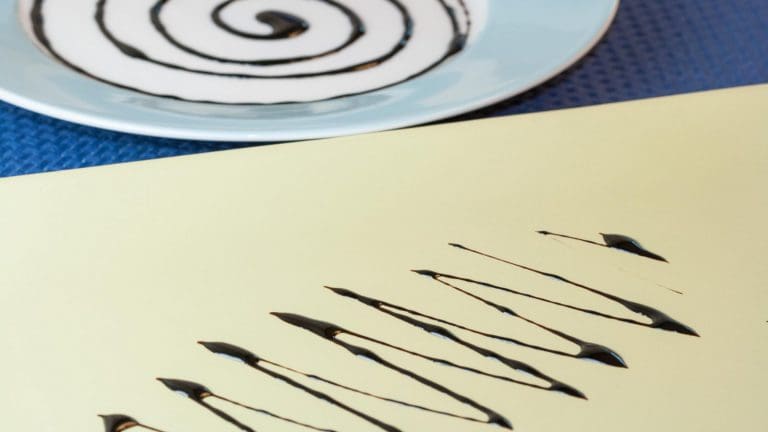
- Balsamic glaze or reduction: everyday balsamic reduced (often with sugar) to a syrup, for drizzling.
Because it is sweet and soft, a balsamic vinaigrette needs a little less oil than one made with wine vinegar. Try the Balsamic Vinaigrette.
Flavoured vinegars
Herb vinegars are easy to make at home: put a few sprigs of clean, dry tarragon, thyme or rosemary, or a few raspberries, into a bottle of white wine vinegar and leave it in a cool, dark place for two weeks. Vinegar’s acidity keeps it safe. Tarragon vinegar is a French classic for béarnaise sauce and for chicken salad.
Storing vinegar
Vinegar keeps almost indefinitely, closed, in a cool, dark cupboard. Its colour may darken or a mother may form over time; that is harmless. For the best flavour, use good vinegars within a year or two of opening.
Other acids for dressings
Lemon and lime juice give a fresher, lighter dressing; orange and grapefruit juice add sweetness (reduce them first for more intensity); verjuice, the juice of unripe grapes, is softer than vinegar and very good with wine. You can also mix acids, for example half lemon juice, half white wine vinegar.
Key terms in the glossary: Mother of Vinegar, Balsamic Vinegar, Sherry Vinegar, Verjuice.
Chef Eric’s tip: keep at least three vinegars in your pantry: a good red wine vinegar, a sherry vinegar and an everyday balsamic. With those you can make almost any dressing. If you don’t cook often, buy small bottles; a good vinegar is worth it.