
Topic · Cook-Along: Salads & Side Dishes
Identifying Salad Greens
Walk through any good market and you will find far more than “lettuce”. Salad greens come in every shade of green, red, purple and cream, and each one brings its own texture and flavour: soft and buttery, crisp and juicy, bitter, peppery or nutty. Learn to recognise them and you will never make a boring salad again.
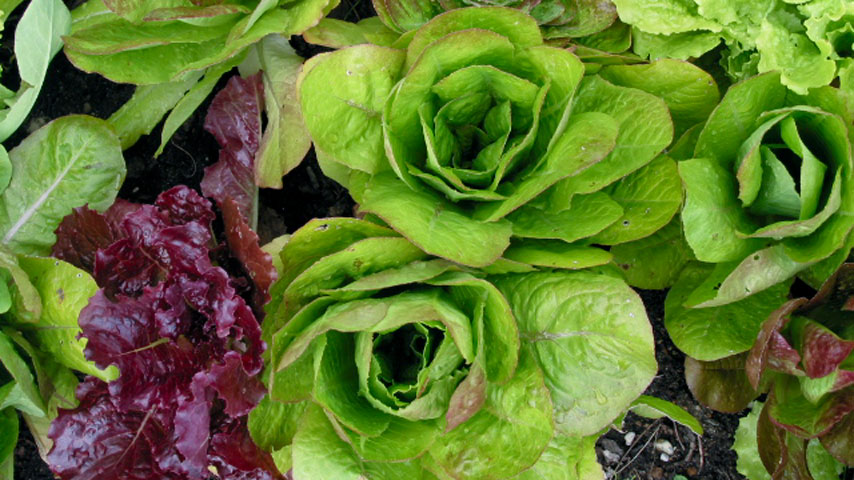
Greens fall into a few families. Once you know the family, you know how to dress it, how long it will keep and what to pair it with. The names in brackets are the other names you will see on menus and market signs, including the French ones.
Soft, tender lettuces
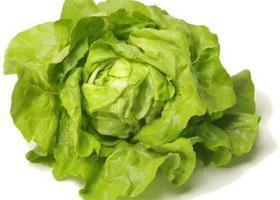
Butter lettuce (butterhead, Boston, Bibb, laitue)
Loose, round heads with soft mid-green outer leaves and a pale, slightly crisper heart. The texture is silky and the flavour sweet and mild. This is the everyday lettuce of France, served simply with a vinaigrette after the main course. Dress it lightly and at the last moment: it bruises and wilts quickly.
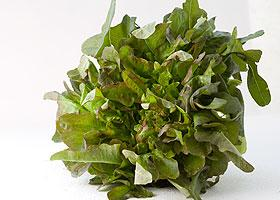
Oak leaf lettuce (feuille de chêne)
A loose-leaf lettuce, green or red, with lobed leaves shaped like oak leaves, joined only at the stem. Tender and mild, with a slightly nutty taste. The red variety adds colour to mixed salads and makes an attractive garnish. It is delicate and does not keep long, so buy it close to the day you will use it.
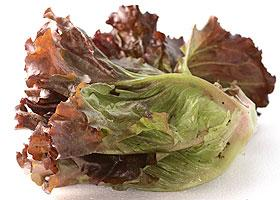
Red leaf and green leaf lettuce
Loose heads of ruffled leaves with no firm heart. Mild and tender with a little crunch near the rib. A good all-purpose lettuce for tossed salads, sandwiches and burgers.
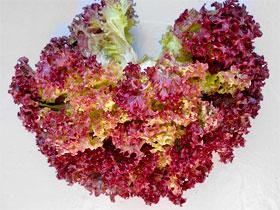
Lollo rosso (and lollo bionda)
An Italian loose-leaf lettuce with tightly frilled, deep red edges; lollo bionda is the green version. Tender but with some crispness, mild and slightly bitter. Its curls give volume and colour to a mixed salad and hold dressing well.
Crisp lettuces
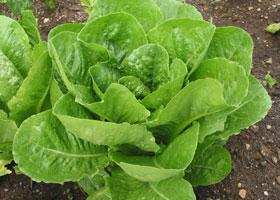
Romaine lettuce (cos, romaine)
Long, upright heads with large, crisp leaves and a thick, juicy rib. The flavour is fresh and slightly sharp. Romaine is the classic lettuce for Caesar salad because it stays crunchy under a thick, creamy dressing. The hearts can also be halved and grilled.
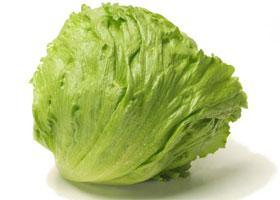
Iceberg lettuce (crisphead)
Tight, heavy, round heads of pale, very crisp leaves. Mild, almost watery in flavour, but prized for its crunch and how well it keeps. Cut into wedges with a blue cheese dressing, or shred it for tacos, sandwiches and shrimp cocktail.
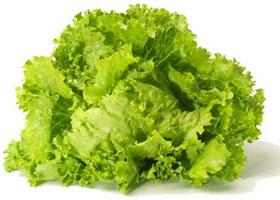
Batavia (French crisp lettuce)
Halfway between iceberg and leaf lettuce: a loose head of frilly, crunchy leaves with a sweet, slightly nutty flavour. Very popular in France. It holds up well to dressing and keeps better than soft lettuces.
Chicories: the bitter family
Chicories are prized in French and Italian cooking for their pleasant bitterness. Balance them with something sweet, rich or salty: apple, pear, honey, walnuts, bacon, blue cheese or a mustardy vinaigrette. Most of them are also excellent cooked.
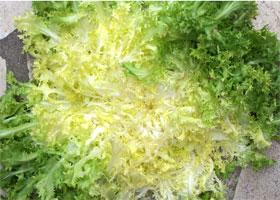
Frisée (curly endive, chicorée frisée)
Narrow, finely curled leaves, dark green on the outside and pale yellow in the heart. Mildly bitter, crunchy and full of volume. Use the tender pale heart for salads and keep the dark outer leaves for cooking. Frisée is the base of the famous Lyon bistro salad with crisp lardons, croutons and a poached egg: see the Lyon Salad.
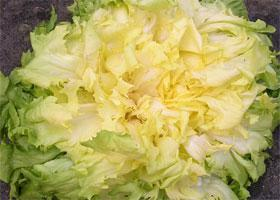
Escarole (scarole)
A chicory with broad, wavy leaves that look crumpled rather than curly, and wide, succulent white ribs. Less bitter than frisée. The pale heart is delicious raw; the outer leaves are wonderful braised, added to white bean soup or cooked with bacon or sausage. Try it in the Escarole Salad Normandy Style.
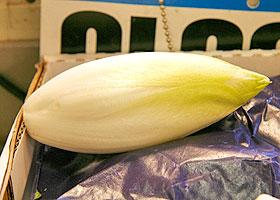
Belgian endive (chicory, witloof, chicon)
Tight, pointed heads of smooth, creamy-white leaves with yellow tips. Endive is “forced”: the roots are grown in the dark so the leaves stay pale and tender, which is why it is often sold wrapped in blue paper to protect it from light. The whiter the leaf, the milder the taste. Cut out the small hard cone at the base to remove the most bitter part. Serve the leaves raw, whole for dips or sliced in salads, as in the Belgian Endive, Roquefort, Apple and Walnut Salad, or cook them, as in Braised Belgian Endives and Endive and Ham Gratin.
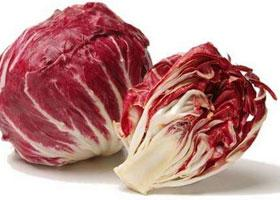
Radicchio (red chicory, Trévise)
An Italian chicory with deep red-purple leaves and white ribs. The round variety comes from Chioggia; the long, tapered one from Treviso. Firm, crunchy and distinctly bitter and peppery. Eaten alone it is strong, but a few torn leaves bring colour and character to milder greens. Radicchio is also excellent grilled or roasted with olive oil and balsamic vinegar.
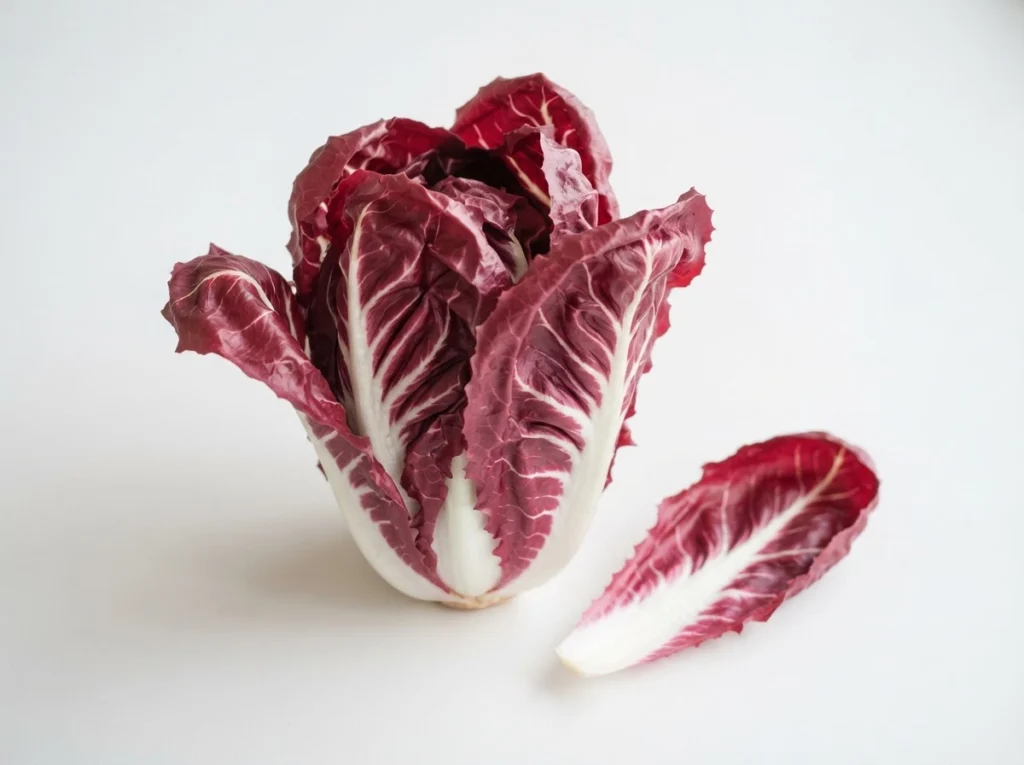
Treviso radicchio (radicchio di Treviso)
The long, tapered variety of radicchio from Treviso in the Veneto, with narrow wine-red leaves and thick white ribs. It is a little milder than round radicchio and holds its shape beautifully on the grill: see Grilled Treviso Radicchio with Balsamic and Parmesan. The late-season “tardivo” type has spectacular curling leaves and is a winter delicacy.
Tender, nutty and peppery greens
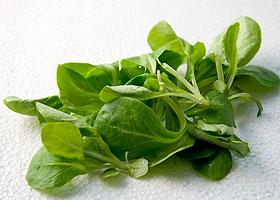
Mâche (lamb’s lettuce, corn salad, doucette)
Pronounced “mahsh”. Small rosettes of round, velvety, dark green leaves with a delicate, sweet and nutty flavour. A favourite winter salad in France, especially from the Nantes region along the Loire, where it is grown in sandy soil. That sand is the one difficulty: wash mâche in several changes of cold water, keeping the little rosettes whole and trimming only the very end of the root.
Mâche is the most fragile green of all. Use it within a day or two, dress it at the very last second with a light vinaigrette (walnut or hazelnut oil is perfect), and never let it sit in dressing. A classic French pairing is mâche with diced roasted beets and walnuts; try the Mâche, Roasted Beet and Walnut Salad.
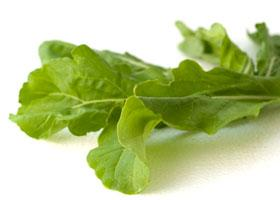
Arugula (rocket, roquette, rucola)
Long, lobed leaves with a peppery, nutty and slightly mustardy bite: arugula belongs to the mustard and cabbage family. Mix it with milder greens, or pair it with sweet fruit, prosciutto and shaved Parmesan, as in the Fig, Prosciutto and Parmesan Salad. It wilts quickly, so dress it just before serving.
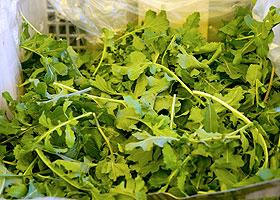
Wild arugula (rucola selvatica)
Thinner, more deeply cut leaves than cultivated arugula, with a sharper, more peppery taste. Use it in smaller amounts, on pizza straight from the oven, or with grilled meats.
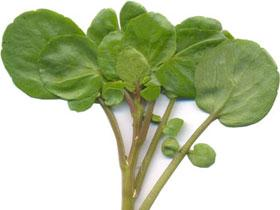
Watercress (cresson)
Small, round, dark green leaves on crisp stems, with a clean, peppery taste. Watercress is another member of the mustard family. In France a bunch of watercress is the traditional garnish for grilled steak and roast chicken. Store it like a bouquet, stems in a glass of water in the fridge, and use it within two days.
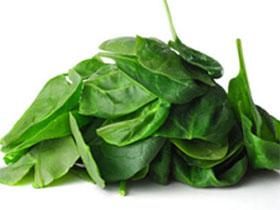
Spinach
Not a lettuce, but young, small spinach leaves make a sweet, mild and tender salad base. Use only the baby leaves raw; larger leaves are better cooked. Spinach pairs well with fruit, nuts and warm dressings, as in the Spinach and Strawberry Salad with Pecans and the Wilted Spinach Salad with Warm Bacon Vinaigrette.
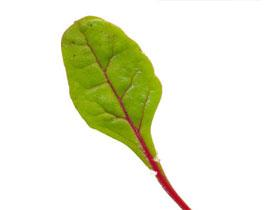
Red chard (bettes, blettes)
A member of the beet family with red stems and veins. Not a salad green as such, but the small young leaves are often found in salad mixes, where they add colour and an earthy, beet-like flavour. Mature leaves are cooked like spinach and the stems like celery.
Mixes
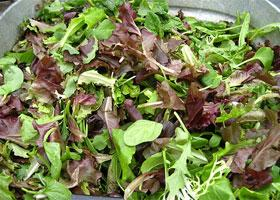
Mesclun
A mix of small, young salad leaves that comes from Provence, and particularly from Nice. The name comes from the Provençal mescla, “to mix”. The traditional mix combined arugula, chervil, young lettuces and endive. Today mesclun can include any tender leaves: oak leaf, lollo, mâche, frisée, baby spinach, chard, mizuna, mustard greens, dandelion, sorrel and herbs.
Buy mesclun loose and as fresh as possible. It keeps 3 to 5 days in a container lined with paper towel. Rinse and dry it gently just before using, and dress it lightly: these leaves are as delicate as mâche.
Other greens to know
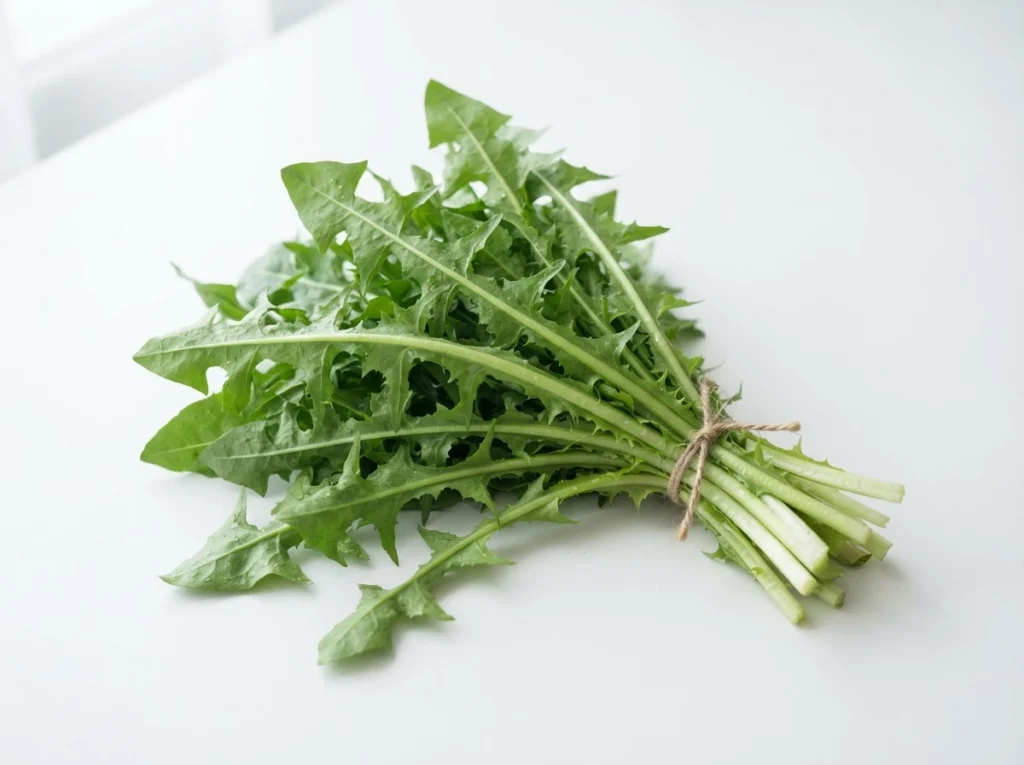
Dandelion (pissenlit)
Long, jagged, bright green leaves with a pleasant bitterness. Young spring leaves are tender and delicious raw; older leaves are tough and very bitter and are better cooked. The French classic is dandelion with warm lardons, vinegar and egg: try the Dandelion Salad with Lardons and Egg. Buy cultivated dandelion, or pick wild leaves only away from roads and treated lawns.
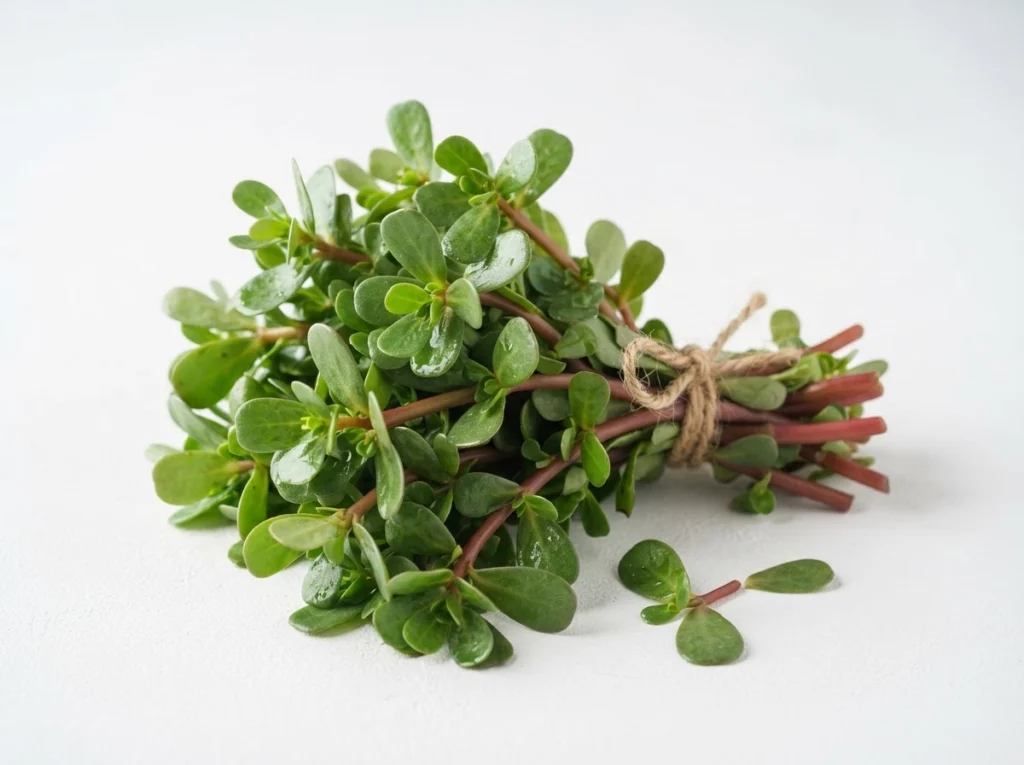
Purslane (pourpier)
Small, round, fleshy leaves on juicy reddish stems, with a crisp texture and a fresh, slightly lemony taste. A summer green around the Mediterranean and in Mexico, delicious with tomatoes, cucumber and feta: see the Purslane, Tomato and Cucumber Salad. Use the leaves and tender tips; discard thick stems.
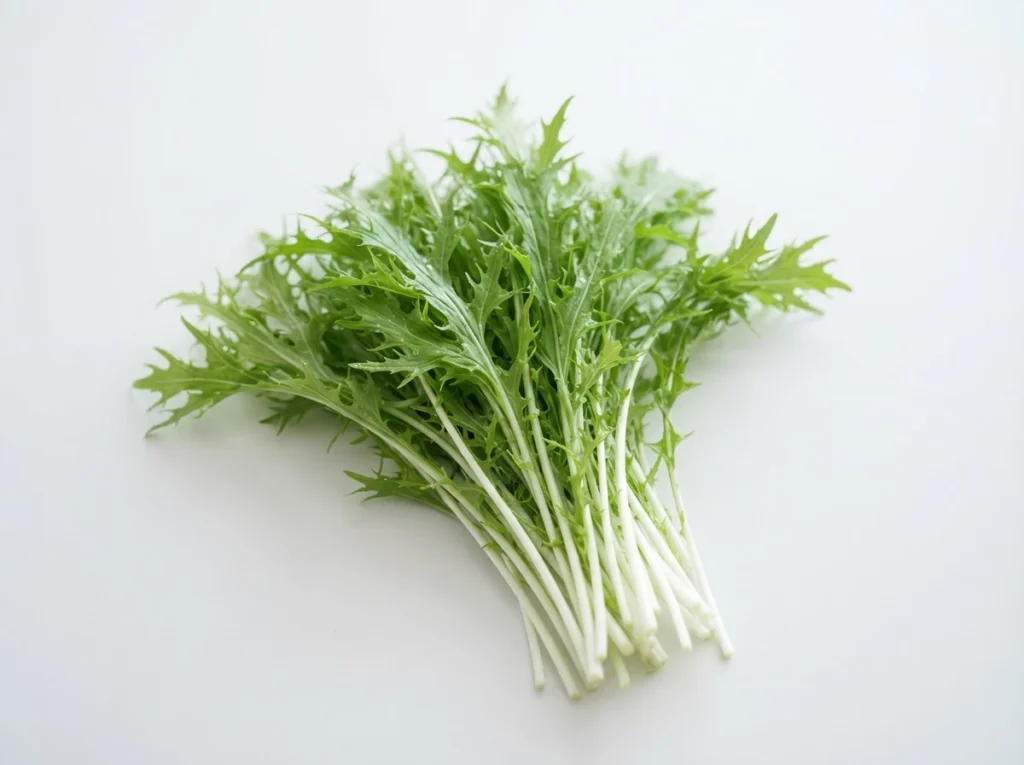
Mizuna
A Japanese mustard green with feathery, deeply cut leaves on thin white stems. Mild, fresh and gently peppery, it adds lightness and volume to salad mixes. Perfect with Asian dressings: try the Mizuna Salad with Sesame-Ginger Dressing.
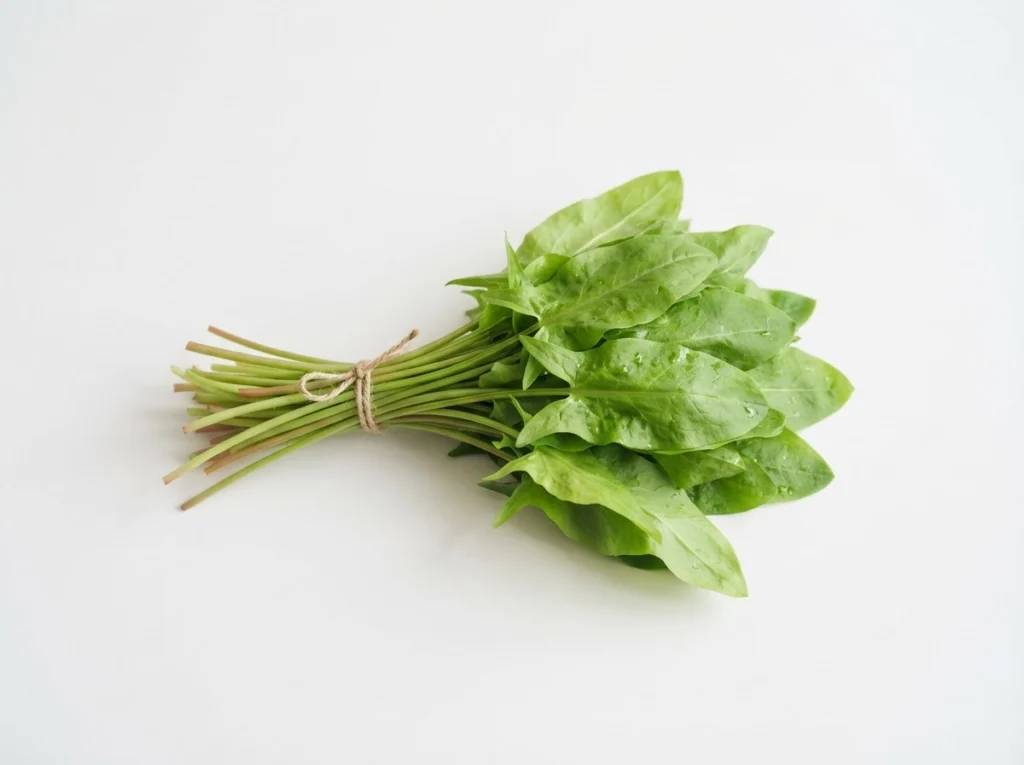
Sorrel (oseille)
Smooth, arrow-shaped bright green leaves with a sharp, lemony sourness. A few young leaves wake up a mild salad; the classic French uses are sorrel soup and sorrel sauce for salmon. Because it is sour, dress it with less vinegar, and add it at the last minute because it darkens quickly. Try the Sorrel and Fresh Herb Salad.
- Pea shoots, sprouts and microgreens: use as a fresh garnish.
- Edible flowers (nasturtium, chive, borage, pansy, calendula): mostly for colour, some peppery or sweet. Use only flowers grown for eating, never from a florist.
How to choose greens at the market
- Leaves should be crisp, bright and lively, with no wilting, slime, yellowing or brown spots.
- Heads of iceberg, romaine and endive should feel firm and heavy for their size.
- Look at the cut end of the stem: it should be pale and fresh, not dark brown or dry.
- Smell the bag or box of mixed greens: it should smell fresh and green, never sour.
- Buy delicate greens (mâche, mesclun, oak leaf, arugula) for the next day or two; sturdier ones (romaine, iceberg, endive, radicchio) keep up to a week.
Matching greens and dressings
- Tender greens (butter lettuce, mâche, mesclun, oak leaf): a light vinaigrette, just enough to coat.
- Crisp greens (romaine, iceberg, batavia): can carry creamy and mayonnaise-based dressings such as Caesar, ranch or blue cheese.
- Bitter greens (frisée, escarole, endive, radicchio): a mustardy vinaigrette, a warm bacon dressing, or something sweet and rich alongside: apple, pear, honey, walnuts, cheese.
- Peppery greens (arugula, watercress): lemon and olive oil, balsamic vinegar, fruit and Parmesan.
Key terms in the glossary: Mâche, Frisée, Escarole, Belgian Endive, Radicchio, Arugula, Watercress, Romaine, Mesclun.
Test yourself: play the drag-and-drop Identification Challenge, then take the Identification Quiz.
Chef Eric’s tip: the best green salads mix at least three textures and flavours: something soft (butter lettuce or mâche), something crisp (romaine or endive) and something with character (frisée, radicchio or arugula). Add a few fresh herbs such as chervil, chives or tarragon and you have a salad worthy of a restaurant.