Topic · Cook-Along: Salads & Side Dishes
The Salad Pantry: Oil, Vinegar, Mustard, Salt and Pepper
The most important ingredient in your salad is the dressing. It has to be strong enough to season a large amount of food without being drowned by the leaves and vegetables. The ingredients are simple, and they are staples in every French kitchen.
Oil
Extra virgin olive oil brings fruit and character; neutral oils such as canola, sunflower or grapeseed let other flavours lead. Nut oils (walnut, hazelnut) are wonderful in small amounts, often mixed with a neutral oil. “Vegetable oil” on a label usually means a blend.
- Storage: all oils are sensitive to heat, light and air. Keep them closed, in a cool, dark place, and buy sizes you will use. Rancid oil smells stale and tastes acrid. Nut oils are best kept in the fridge.
- Infused oils: garlic, fresh herbs or peppers stored in oil can allow Clostridium botulinum to grow. Make infused oils in small batches, keep them refrigerated and use them within a few days.
Vinegar
The word comes from the old French vin aigre, “sour wine”. These are the vinegars I recommend keeping in your pantry:
- Red and white wine vinegar: the everyday vinegars of France and the Mediterranean. Better ones are aged in wood and taste mellow and complex; Champagne and sherry vinegars are lovely variations. If you don’t cook often, buy small bottles.
- Balsamic vinegar: made from cooked grape must in Modena and Reggio Emilia. True aceto balsamico tradizionale is aged at least 12 years in a series of wooden casks and is expensive; everyday “balsamic vinegar of Modena” is a blend of wine vinegar and grape must. It is sweeter and softer than wine vinegar, so a balsamic dressing needs a little less oil.
- Apple cider vinegar: fruity and slightly sweet, good with cabbage, apples and root vegetables.
Lemon and lime juice can replace vinegar for a fresher, lighter dressing.
Mustard
Mustard seasons the dressing and helps the oil and vinegar stay emulsified. Keep two in your fridge:
- Dijon mustard: smooth and sharp. In 1856 Jean Naigeon of Dijon replaced vinegar with verjuice, the sour juice of unripe grapes, in the traditional recipe. The name is not protected, so most Dijon mustard is made outside Dijon.
- Whole-grain mustard: the seeds are left whole. I prefer the classic French moutarde à l’ancienne, old-style mustard.
Mustard is a common allergen; mention it on your menu or to your guests.
Salt and pepper
- Fine sea salt: for the dressing itself. Always dissolve the salt in the vinegar before adding the oil; salt does not dissolve in oil.
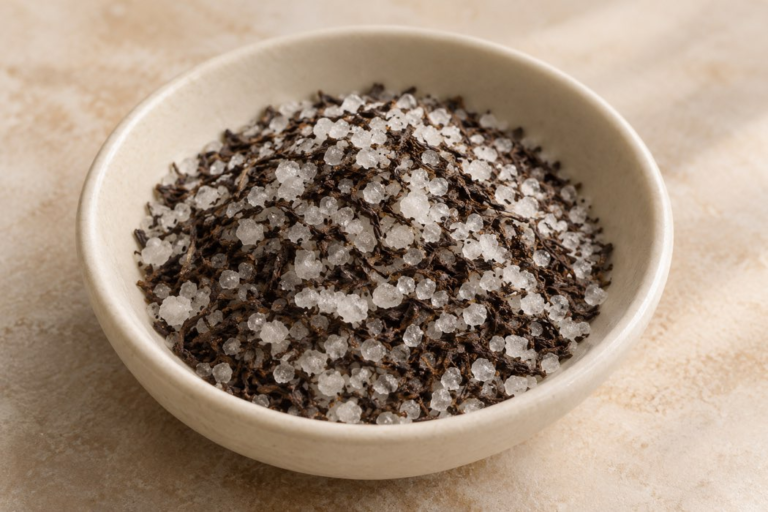
- Grey salt (sel gris): a moist, unrefined sea salt from the coasts of France, coloured by the clay of the salt marshes. Use the coarse version to season cooking water for vegetables and pasta.
- Fleur de sel: the delicate crystals that form on the surface of the salt ponds, hand-harvested in Guérande, Brittany. Sprinkle it on a finished salad for crunch.
- Black and white pepper: white pepper is the seed without its dark skin, useful where black specks would show. Buy whole peppercorns and grind them as you need them.
Ready to put it together? See the Classic French Vinaigrette recipe.
Go deeper
- Vinegar: History, Making and Types: how vinegar is made, the mother of vinegar, and every vinegar worth knowing.
- Oils for Salads and Cooking: pressed and refined oils, nut oils and a smoke point chart.
- Olive Oil: Grades, Buying and Storing.
- Condiments and Flavored Oils.
Key terms in the glossary: Dijon Mustard, Fleur de Sel, Verjuice, Balsamic Vinegar.