Topic · Vegetable Cookery Fundamentals
All About Squash
How to choose a squash
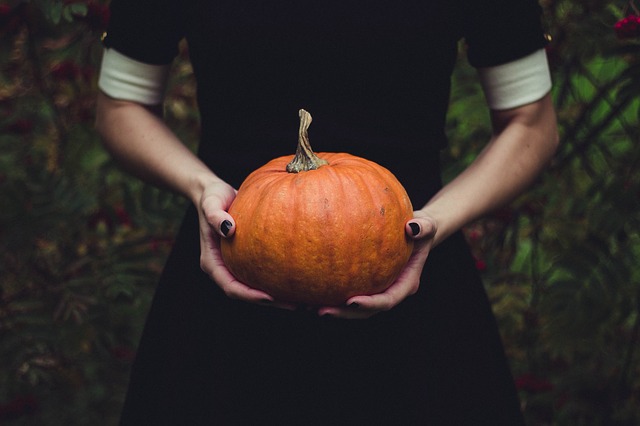
Winter squash and pumpkin should be firm and heavy for their size, with no cracks or bruises. Avoid any with soft spots. Winter squash and pumpkins will keep for several months if they are ripe and the stem is still attached. Store them in a cool, dry place, like on an open shelf or counter top. Do not store them in the refrigerator.
How to prepare cook squash
Unlike summer squashes, the skin of most winter squashes is not edible so the squashes are always peeled before or after cooking. Some of them, like the acorn squash is difficult to peel, so you will find it easier to cook it first and then use the flesh.
In the oven: You can cut them in half and bake in the oven for 45 minutes at 190 degrees C (375 degrees F) or until tender . You can even bake them whole in the oven if you poke holes in the skin. Scoop out the cooked flesh and use it in a recipe or just well seasoned with your favorite spices.
In the microwave: Cut your squash in half. Scoop out seeds and strings. Place halves face down in a microwave-safe baking dish. Cook on high (H) for 6-8 minutes per pound.
Boiled: Squashes that are easy to peel can also be cut in cubes and boiled until tender.
Pumpkin: You can eat the seeds of winter squash and pumpkin. Remove the seeds from the flesh. Rinse to remove strings. Place on an oiled baking sheet. Sprinkle with garlic powder, a pinch of salt and any other seasonings that you may desire. Roast in a hot oven (about 400 degrees F ) until seeds are toasted but not burned.
Spaghetti squash: This squash is also called “vegetable spaghetti”. It is usually boiled or baked in its skin and the flesh is forked out and served with other foods.
Some Winter Squashes
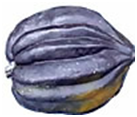
The acorn squash is difficult to peel. It has a hard and ribbed skin that can be dark green, orange or white. The flesh is sweet and can be a pale yellow to orange color. It is harvested when fully ripe.
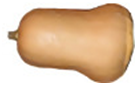
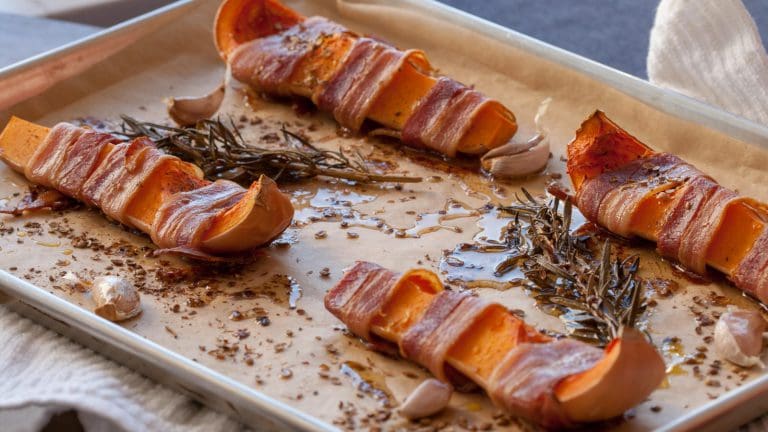
The butternut squash is pear-shaped and has a thin yellowish-tan skin that can be easily peeled. The flesh is bright orange and has a sweet and rich flavor somewhat similar to sweet potatoes.
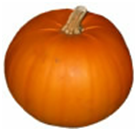
More carved than eaten, the pumpkin comes in different size but it is best to chose a small “sugar pumpkin” for cooking (1kg-2lb). It is mainly found in a yellow to orange color, but it can also be grey-blue. The flesh is deep yellow with seeds in the central cavity.
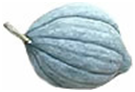
The hubbard squash can be a pale grey/blue to dark green and orange color. They can be as large as watermelons. The flesh is usually rather dry and sweet. It is best to chose a mid-sized one.
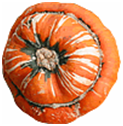
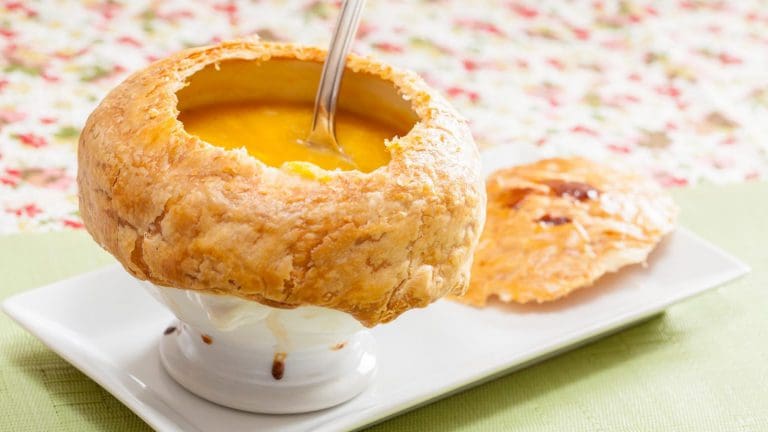
Because of it unusual shape and mix of colors, the turban squash is often used for decoration rather than eating. You can use it as a soup tureen.
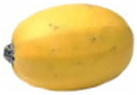
This yellow elongated vegetable is also known as vegetable spaghetti. Its name comes from it aptitude to separate into thin spaghetti-like strands when cooked. It has a rather bland testing and can be a good substitute to pasta.
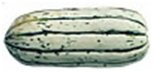
A long squash with stripes in green and orange. Also called sweet potato squash. It has a yellow flesh with a sweet taste of fresh corn.
Prepare Butternut Squash
Make sure your knives are sharp as butternut squash is very hard. Trying to prepare butternut with a blunt or inadequate knife is difficult and could be dangerous. Remember to cut away from yourself!
Use the biggest, sharpest, most robust knife you possess! Trim off the top and the bottom of the squash. Place the bottom on a board and cut it in half from top to bottom.
Cut the butternut in two at the top of the “bulge”, so that you end up with a cylinder and a sphere. Peel off the pieces with a sharp knife. Quickly scrape out the seeds with a spoon, and you’re done.
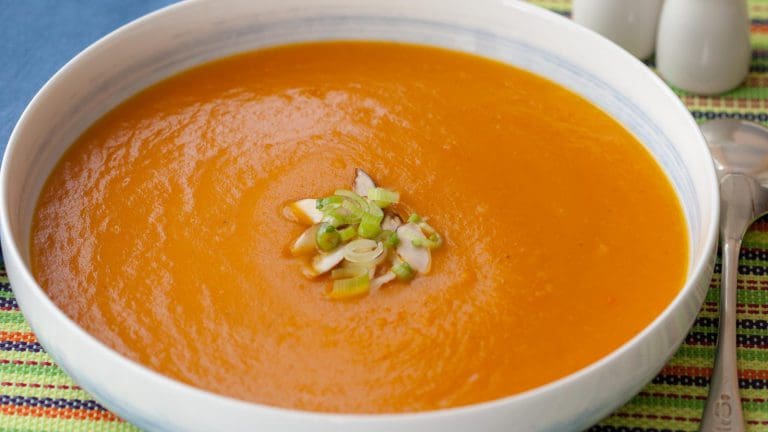
Butternut makes one of the most satisfying winter soups: sweet and unctuous, with an intense orange color and velvet-smooth texture. Two nights ago I made soup from butternut – simply pureeing the butternut with vegetable stock and adding a tablespoon of cream.