Topic · Vegetable Cookery Fundamentals
All About Belgium Endives
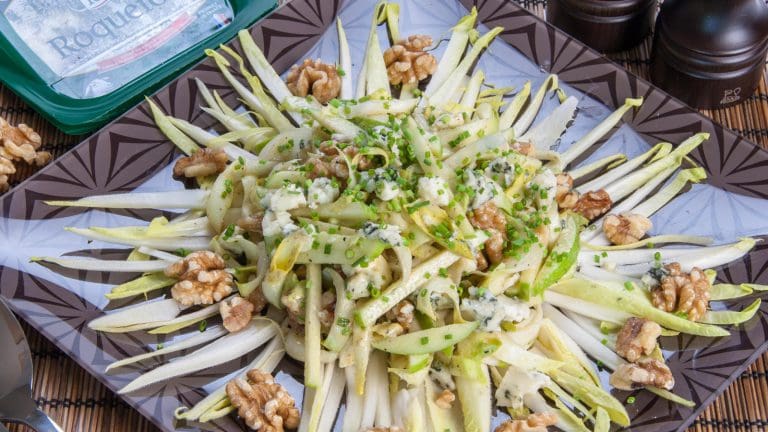
Are you from Great Britain? You would then call it Chicory. But if you live in North America, you would then call it a Belgian endive. This salad often used as a vegetable when it is white, goes through a lot of manipulations before it arrives on your table.
Two Types of Endive on the Market
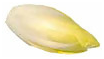
It is the original one. It has white leaves with slightly yellow tips. It is good for cooking as well as in salads. On the market, they are wrapped in dark blue or green paper to keep them mild and white. The endive is a bitter salad.
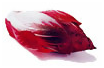
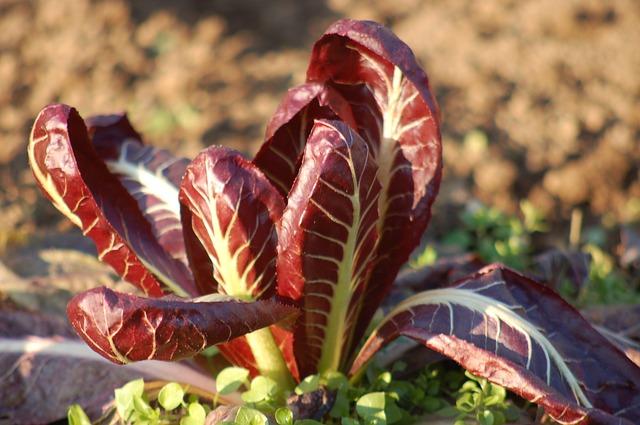
The red endive recently arrived on the market. It is a hybrid of the white endive and treviso. It cannot be cooked as it would lose its color and taste.
Why is the White Endive Turning Green?
It is a very natural process. As the endive is kept in the dark, it does not photosynthesize. Unfortunately, some grocery stores take them out of their dark blue paper for presentation. The combination of the chlorophyll and the light makes it turning green..
History of Endives
The endive was accidentally discovered by a Belgian farmer around 1830. At the time, chicory roots were used as a coffee substitute. That farmer stored them in a cellar. When he came back to pick up the roots, he realized that they had sprouted white leaves. Curious, he ate some and found them to be tender, moist, crunchy and slightly bitter.
A horticulturist from Brussels Botanical Gardens, inspired by this discovery refined the production. It arrived on the Brussels market in 1846, but it is really after the First World War that it started to be widely used.
Cleaning of Endives
Remove any bruised or damaged outer endive leaves.
Hints and Tips
- When cooked, the bitterness of the endive is more evident. If you find it too bitter to your taste, just add some sugar in the cooking liquid. When raw, cut an inch deep cone into the stem end.
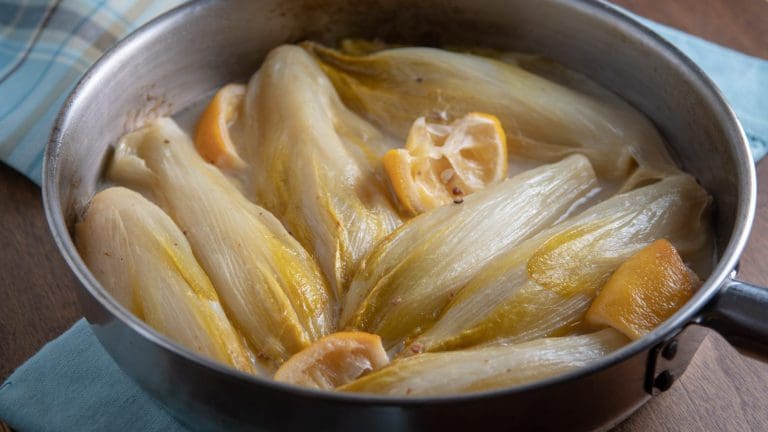
- By adding some lemon to the cooking liquid you will keep your endive white.