
Topic · Cook-Along: Salads & Side Dishes
About Salads
The word salad comes from the French salade, from the Latin salata, “salted”, from sal, salt. The Romans ate raw vegetables seasoned with salt and brine, and the idea never left the table. In 1699 the English writer John Evelyn published a whole book on the subject, Acetaria: A Discourse of Sallets, describing new greens such as celery arriving from Italy and the Netherlands.
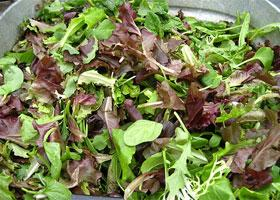
Today a salad can open a meal, sit beside the main course, follow it (as in France, where a green salad often comes before the cheese) or be the meal itself.
The salad in a French meal
- Hors d’œuvre or entrée: a light salad or a plate of crudités to open the meal.
- Accompaniment: a green salad served alongside a roast, grilled meat or an omelette.
- After the main course: a simple green salad with a vinaigrette to refresh the palate before the cheese.
- Main course: a generous composed salad such as Niçoise, a Lyon salad with lardons and poached egg, or a warm goat cheese salad.
The main types of salad
- Green or tossed salad: leafy greens such as lettuce, spinach, arugula or frisée, torn into bite-size pieces and tossed with a dressing just before serving.
- Composed salad: the ingredients are arranged on the plate rather than tossed, so each one keeps its identity. Salad Niçoise and Cobb salad are classic examples.
- Bound salad: ingredients held together by a thick dressing, usually mayonnaise: potato, egg, chicken, tuna or Russian salad.
- Warm salad: crisp greens with a warm element such as goat cheese, lardons or a warm vinaigrette, served immediately.
- Grain, pasta and legume salads: rice, couscous, quinoa, bulgur, pasta, lentils or beans, dressed and mixed with vegetables and herbs. Most can be made ahead.
- Main-course salads: a generous salad with grilled chicken, steak, seafood or fish, such as Caesar with chicken or Niçoise with grilled tuna.
- Fruit salads: fresh fruit, sometimes with a syrup, citrus juice or a little liqueur.
The four parts of a salad
- Base: usually greens, which line the plate or bowl.
- Body: the main ingredient, for example potatoes, chicken, grains or tomatoes.
- Garnish: adds colour, texture and flavour: herbs, toasted nuts, croutons, cheese, seeds or edible flowers.
- Dressing: brings everything together. A vinaigrette for most green salads, a mayonnaise-based dressing for bound salads, or a creamy dressing such as Caesar, blue cheese or ranch.
Key terms in the glossary: Salad, Tossed Salad, Composed Salad, Bound Salad, Salade Tiède, Mesclun.
Chef Eric’s tip: think of a salad as a dish, not a side. Every ingredient should earn its place on the plate, and the dressing should taste good enough to eat with a spoon.
In this section
- Identifying Salad Greens (a photo guide to more than twenty greens)
- Identification Challenge (drag-and-drop game) and the Identification Quiz
- Salad Flavour Profiles (sweet, bitter, peppery, crunchy, juicy)
- Washing, Drying and Storing Greens (and the equipment you need)
- Knife Cuts for Salads (with videos)
- A Seasonal Guide to Salads
- The Salad Pantry (oil, vinegar, mustard, salt and pepper)
- Vinegar: History, Making and Types
- Oils for Salads and Cooking (with a smoke point chart)
- Olive Oil: Grades, Buying and Storing
- Salad Dressings
- Crudités: Cuts, Blanching and Serving
- Warm Salads and Warm Dressings
- Slaws, Tomato, Cucumber and Fruit Salads
- Grain, Potato and Pasta Salads
- Allergens and Special Diets
- Croutons, Toppings and Garnishes
- Building a Great Salad: The Chef’s Method
- Two French Bistro Salads
- The Professional Salad Station (portions, yields and costing)
- Final Project: Design and Plate Your Own Salad