
Topic · Sauce Making Fundamentals
History of Sauces
Sauces in French cuisine date back to medieval times. There were hundreds of sauces in the culinary repertoire. In classical French cooking from the 19th and 20th centuries until the nouvelle cuisine period, sauces were a major defining characteristic of French cuisine.
The word “sauce” is a French word that means a relish to make our food more appetizing. Sauces are liquid or semi-liquid foods devised to make other foods look, smell and taste better, and hence be more easily digested and more beneficial. Because of the lack of refrigeration in the early days of cooking, meat, poultry, fish, and seafood did not last long. Sauces and gravies were used to mask the flavor of tainted foods.
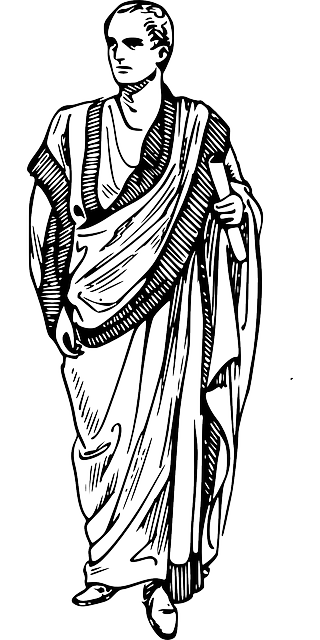
The Romans used sauces to disguise the taste of the food, possibly to conceal doubtful freshness. According to the article ‘Food & Cooking in Roman Britain’ by Marian Woodman:
The main course varied both in the number and elaboration of dishes. Roast and boiled meat, poultry, game or other meat delicacies would be served. No dish was complete without its highly flavored and seasoned sauce. Contrary to present day preference, the main object seemed to be to disguise the natural taste of food, possibly to conceal doubtful freshness or possibly to demonstrate the variety of costly spices available to the host. Sometimes so many ingredients were used in a sauce that it was impossible to single out any one flavor. One Roman cook bitterly complained about some of his fellow cooks: “When they season their dinners they do not use condiments for seasoning, but screech owls, which eat out the intestines of the guests alive”. Apicius wrote at the end of one of his recipes for a particularly flavorsome sauce, “No one at table will know what he is eating”. These sauces were usually thickened with wheat flour or crumbled pastry. Honey was often incorporated into a ‘sweet-sour’ dish or sauce.
Highly flavored sauces often containing as many as a dozen ingredients were extensively used to mask the natural flavours of Roman food. The most commonly used seasoning was liquamen, the nearest equivalent today being a very strong fish stock, with anchovies as its main ingredient. This was so popular that it was factory-produced in many towns in the Roman Empire.
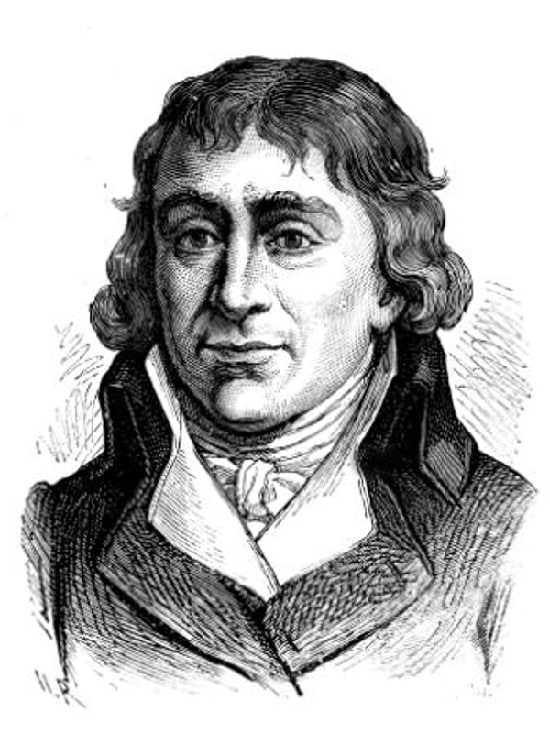
A little heard of sauce today, but very popular in the 17th century is Sauce Robert. It is similar to the present day Espagnole Sauce. Both Sauce Robert and Espagnole are basically a brown Roux that is a combination of fat and flour to create a thickening agent.
In le Grand Cuisinier (1583), there is a mention of a sauce called Barbe Robert, a sauce already found in le Viandier under the name “Taillemaslée” (fried onions, verjus, vinegar, mustard) for roasted rabbit, fry fish and fry egg.
François Rabelais (1483-1553), in le Quart-Livre, mentioned: “Robert, the one who invented the Sauce Robert is indispensable for roast, rabbits, duck, pork, poached eggs…”
The most important sauce of the 17th century is the Sauce Hollandaise, as we now know it, is the modern descendant of earlier forms of a sauce believed to have been brought to France by the Huguenots. It appears to have actually been a Flemish or Dutch sauce thickened with eggs, like a savory custard, with a little butter beaten in to smooth the texture.
Hollandaise Sauce (HOL-uhn-dayz): Hollandaise mean Holland-style or from Holland. This sauce uses butter and egg yolks as a binding. It is served hot with vegetables, fish and eggs (like Eggs Benedict). It will be a pale lemon color, opaque, but with a luster not appearing oily. The basic sauce and its variations should have a buttery-smooth texture, almost frothy, and an aroma of good butter. Making this emulsified sauce requires a good deal of practice and it is not for the faint hearted. Béarnaise Sauce, which is “related” to Hollandaise Sauce, is most often served with steak.
History: Most historians agree that it was originally called Sauce Isigny after a town in Normandy, Isigny-sur-Mer, known for its butter. Today, Normandy is called the cream capital of France. During World War I, butter production came to a halt in France and had to be imported from Holland. The name was changed to Hollandaise to indicate the source of the butter and remained that way.
In the year 1651, Francois Pierre de La Varenne (1618-1678), in his cookbook, ‘Le Cuisine François’ (The True French Cook), has a recipe for a similar sauce in his recipe for Asparagus in Fragrant Sauce:
“Choose the largest asparagus, scrape the ends and wash, then cook in water, salt well, and do not let them cook too much. When cooked, put them to drain, make a sauce with good fresh butter, a little vinegar, salt and nutmeg and an egg yolk to bind the sauce. Take care that it does not curdle and serve the asparagus garnished the way you like it.”
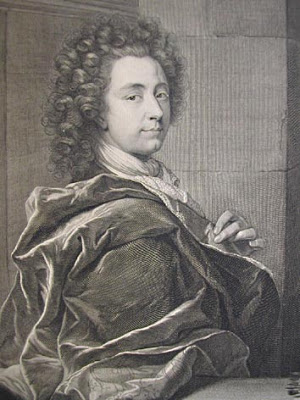
There are five foundation sauces or basic sauces, called, the Grandes sauces or “sauces meres” in French. Two of them have a record of two hundred years. They are the Béchamel Sauce and Mayonnaise. They have lasted so long, not only because they are very good, but also because they are so adaptable and provide a fine basis for a considerable number of other sauces.
The other three, which also date back to the 18th century, are the “Veloute,” the “Brune,” and the “Blonde.” These five sauces still provide the basis for making of many modern sauces, but not too many of them.
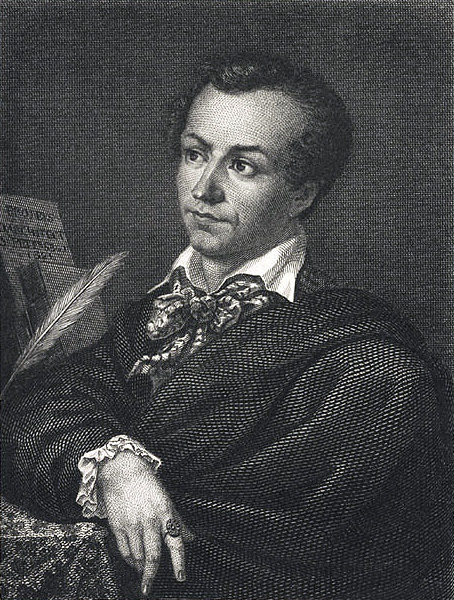
Mother Sauces are also called Grand Sauces. These are the five most basic sauces that every cook should master. Antonin Careme, founding father of French “Grande Cuisine,” came up with the methodology in the early 1800s by which hundreds of sauces would be categorized under five Mother Sauces and there are infinite possibilities for variations, since the sauces are all based on a few basic formulas. Sauces are one of the fundamentals of cooking. Know the basics and you will be able to prepare a multitude of recipes like a professional.
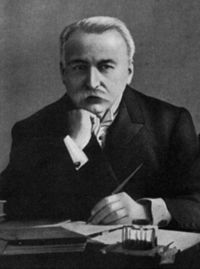
Georges Auguste Escoffier was a French chef, restaurateur and culinary writer who popularized and updated traditional French cooking methods. Much of Escoffier’s technique was based on that of Marie-Antoine Carême, one of the codifiers of French haute cuisine, but Escoffier’s achievement was to simplify and modernize Carême’s elaborate and ornate style. In particular, he codified the recipes for the five mother sauces.
Four years after arriving at the Carlton, Escoffier released his greatest work, “Le Guide Culinaire.” This book contained over 5,000 recipes and came in at just under 1,000 pages. In it Escoffier streamlined and codified the work of Careme and his four “mother sauces.” Escoffier altered Careme’s list by removing the Allemande sauce and replacing it with two others. Escoffier’s five “mother sauces” were:
- Bechamel
- Velouté
- Espagnole
- Hollandaise
- Tomato
Escoffier’s system is still used today. Understanding the basis of a particular sauce in a special allows you to be able to imagine it without seeing or tasting it. This also comes in handy as a server to know which sauces are safe for someone who is a vegan, lactose intolerant, or allergic to gluten.