
Topic · Stock Making Fundamentals
Hints and Tips
Making stocks
Trimmings, scraps, vegetable peelings, and herb stalks can be incorporated in stocks but remember the stockpot is not a substitute for the trash bin. Ingredients should still be clean and of good quality.
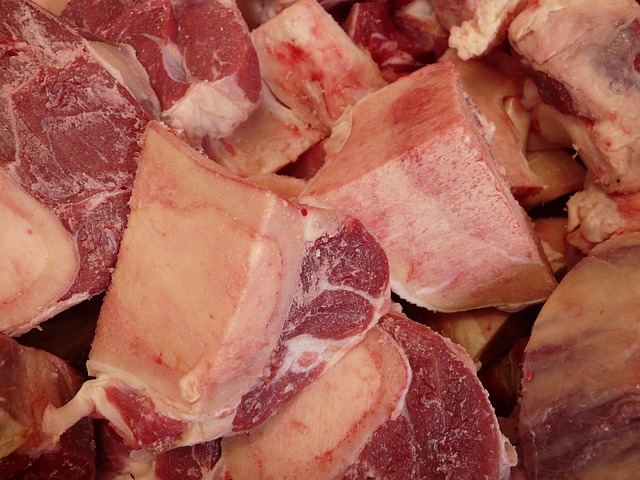
If you want to intensify the flavor of meat or poultry stock, use more bones, giblets, and trimmings rather than trying to simmer the ingredients for a longer period. Cook at a gentle simmer, making sure that the liquid covers the ingredients at all times during the cooking process.
Skimming the fat and froth that forms on top of the simmering stock is essential to achieve a clear result, the way that I demonstrate in his videos recipes. Once the stock has been strained and the solids discarded, the liquid should be skimmed again. A well-made stock should be delicious enough to eat on its own.
Storing and freezing stocks
When a stock is made with plenty of bones, it sets on cooling, to a jelly that can be stored in the fridge for up to five days. Thinner, more liquid stocks can be stored and chilled for up to three days. However, if you use up the stock quickly, it is generally better to make a large batch and store it into convenient portions in the freezer, where it will keep for three months.
To save space, reduce the strained liquid by rapid boiling. This concentrated stock can then be frozen in ice cube trays, ready to add in small amounts to dishes as required.