Topic · Stock Making Fundamentals
Short Stock > Court Bouillon
What Is Court-Bouillon?
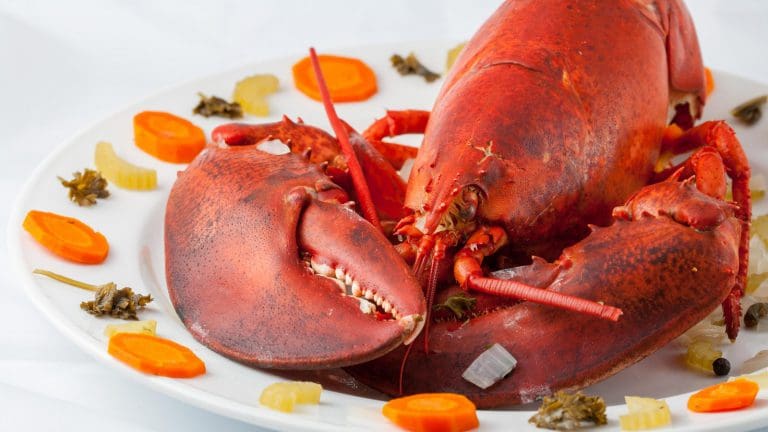
Court-bouillon is a short-cooking aromatic liquid used to poach fish, shellfish and, in some preparations, other delicate foods. The French term means “short stock.” Unlike a full stock, it is prepared quickly and is usually not served as part of the finished dish. Its purpose is to gently cook the food while adding a subtle aromatic flavour.
Ingredients
- Approximately 4.7 L water (20 cups)
- Juice of 3 lemons, approximately 90 mL, adjusted to taste
- 454 g mirepoix (carrot, onion and celery)
- 1 bouquet garni
- 15 mL sea salt (1 tablespoon), adjusted to suit the preparation
How to Prepare Court-Bouillon
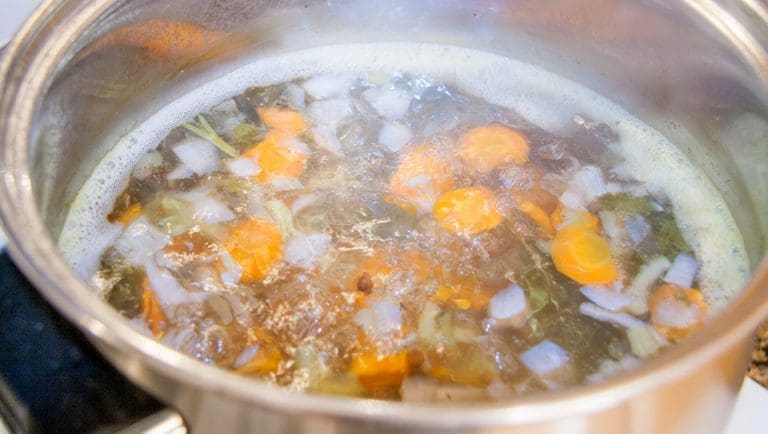
- Combine the water, lemon juice, mirepoix, bouquet garni and salt in a large pot.
- Bring to a boil, then reduce the heat and simmer gently for approximately 30 minutes to develop the aromatic flavour.
- Remove from the heat and allow the liquid to stand briefly so the flavours settle.
- Strain if a clear poaching liquid is required, or use as directed by the recipe.
- Bring the court-bouillon back to the appropriate cooking temperature before adding the fish or shellfish.
Choosing the Acid
The acidic ingredient depends on what is being poached and the flavour profile required. White wine or lemon is often used for fish, while vinegar may be used in some shellfish preparations. Acidity can affect the texture of delicate proteins, so use the amount specified by the recipe rather than assuming more is better.
Using Court-Bouillon
Use the liquid to poach fish gently, keeping it below a vigorous boil. The court-bouillon should flavour the food without overpowering it. The cooking time depends on the size and thickness of the portion and the species being prepared.
Chef’s tip: Prepare the court-bouillon before adding the protein. A ready-to-use aromatic liquid allows the fish or shellfish to cook gently and evenly without overcooking while the stock is being made.