Topic · Soups Making 101
Purée Soups Principles
The base for many purée soups uses dried beans such as navy beans, red beans, great northern beans, black beans, cranberry beans, anasazi beans, pinto beans, borlotti beans, split peas, and lentils. Other than split peas and lentils, beans should be soaked or steeped in water for a period of time before it is cooked.
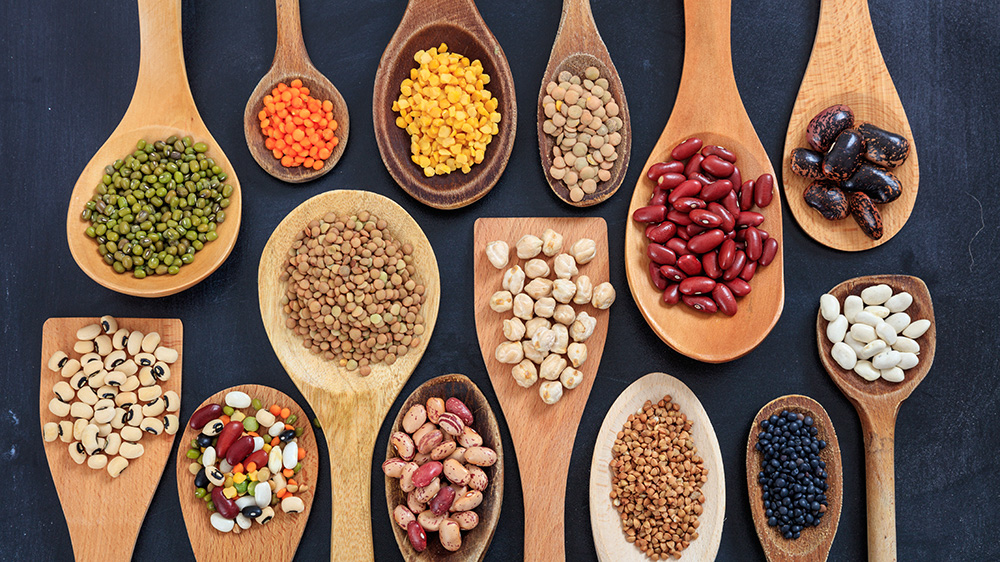
Various legumes options
The overall cooking time is reduced as the beans have absorbed the liquid and will cook in an even manner. In a similar way, vegetables that are starchy are also the base for purée soups like celery root, potatoes, or squash. These vegetables should be sliced or diced and peeled. The ingredients to be puréed must be cut in the size same so that they can be cooked thoroughly.
Purée soups often contain aromatic ingredients such as celery, garlic, carrots, and onions. In order to extract extra flavor, the vegetables may be grilled or roasted earlier. The cutting and preparation instructions should be referred to according to specific recipes.
The liquids that are used as the base of soups most often comprise of stock, water, and broths. Before usage in a soup, the stocks and broths that have been stored should be checked to see if they are fresh.
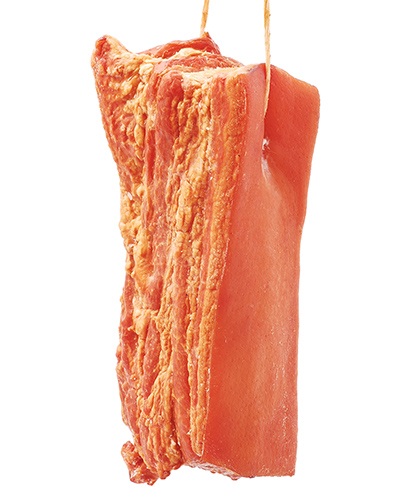
Rendered salt pork, bacon, pancetta, cured pork products, and smoked ham are used in soups that are based on legumes.
Very often, these ingredients should be blanched earlier so that excess salt is removed. They should be placed in a pan and covered with cold water that should be brought to a simmer, then drained and rinsed. As guidance related recipes can be consulted. Ham-based broth can be used as one of the alternatives.
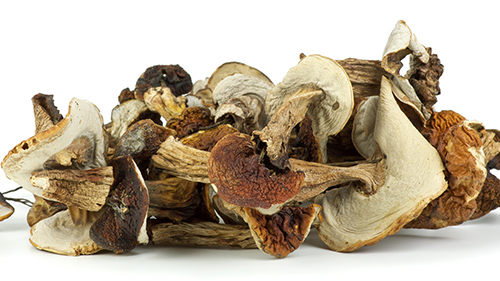
Dried mushrooms, chilies, citrus zest or juice, vinegar, and hot sauce can be used amongst various ingredients besides cured pork to season purée soups.
Vegetables cut to a uniform size, vegetable Coulis, broccoli or cauliflower florets, toasted or fried tortillas, sour cream, sliced mushrooms, salsa, toasted or fried tortillas, diced meats, chopped herbs, and croutons can be used as garnishes.
Cream soups that have poultry, fish, or meat as a base need not be puréed. A rinsed cheesecloth or a fine-mesh sieve can be used to strain puréed cream soups. The purée can also be extracted by pushing the solids against the sides when a fine-mesh sieve is being used. Fibers can be removed by straining that gives the soup a smooth and velvety texture. By now, the soup should have developed the required consistency and flavor. Any adjustments that are needed should be made so at this point. The soup is now ready to be finished. The soup may be cooled and refrigerated for later use or can be served as a chilled soup.
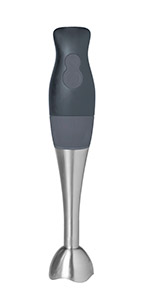
immersion blender 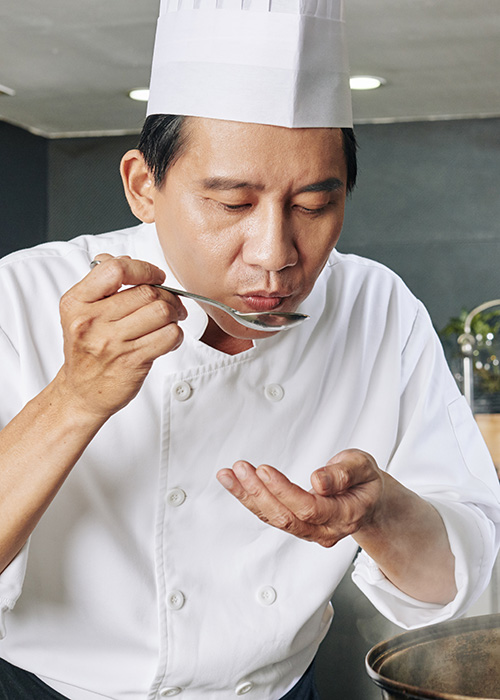
tasting soup 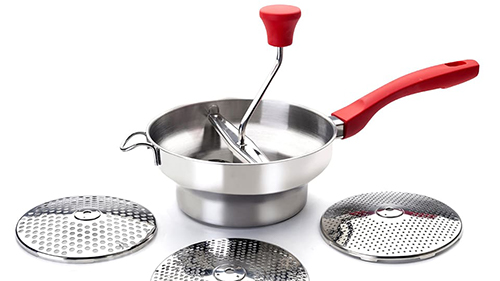
vegetable mill