
Topic · Soups Making 101
Soup Serving Tips
Soups are very healthy and a great way to have all kinds of vegetables and even fruits. They are usually easy to make and serve a large number of people. In feasts of old days, “Grand Menu” always had soup from each subcategory!
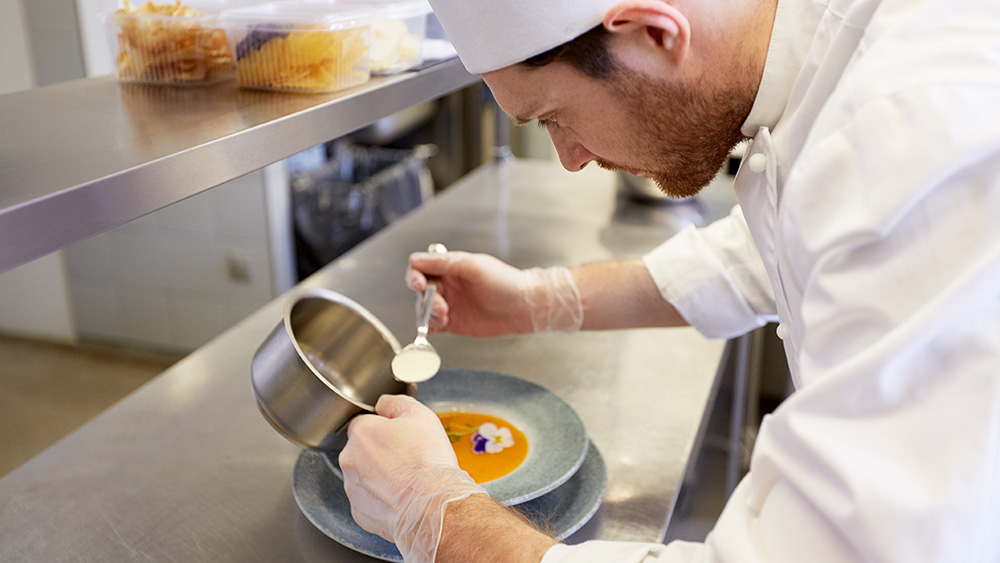
Today chefs and home chefs should include a soup from any category either hot or cold depending on the weather in their menus.
Most soups can be made ahead of time and reheated as needed for service. In the food industry, to preserve freshness and quality, small batches of soup should be heated as needed throughout the meal service.
Reheating Soups
Clear soups are quite easy to reheat because there is little danger of scorching. If garnishes are already added to a clear soup, care should be taken to not overcook the garnishes when reheating the soup. All traces of fat should be removed from a Consommé surface before reheating.
Thick soups present more of a challenge. To increase shelf life and reduce the risk of spoilage, cool and refrigerate a thick soup when it is still a base. This should be done before the milk or cream is added. When needed, carefully reheat the soup base just before service using a heavy gauge pot over low heat. Stir often to prevent scorching and to reheat the soup more quickly.
Then finish the soup with milk, cream, Béchamel sauce, liaison, etc., and adjust the seasoning. Always taste the soup after reheating and adjust the seasonings as needed.
Soups Serving Temperature
Hot soups must be served very hot in hot soup plates and cold soup should be served in cold bowls or cold soup plates.
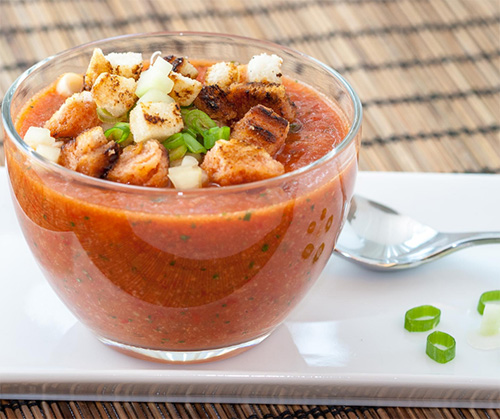
- Hot clear soups should be served near-boiling.
- Hot cream soups should be served at slightly lower temperatures – 90ºC-93ºC /190ºF-200ºF.
- Cold soups should be served at a temperature of 4ºC /40ºF.