
Topic · Soups Making 101
Early Modern Period (1500-1800)
In the early 1500s, soups were the first thing that could be served when one got into a restaurant, and soups were consumed for their herbal properties that would be used as a treatment for a certain type of illness. It’s no surprise that most of our grandmothers recommend chicken soup when someone gets ill.
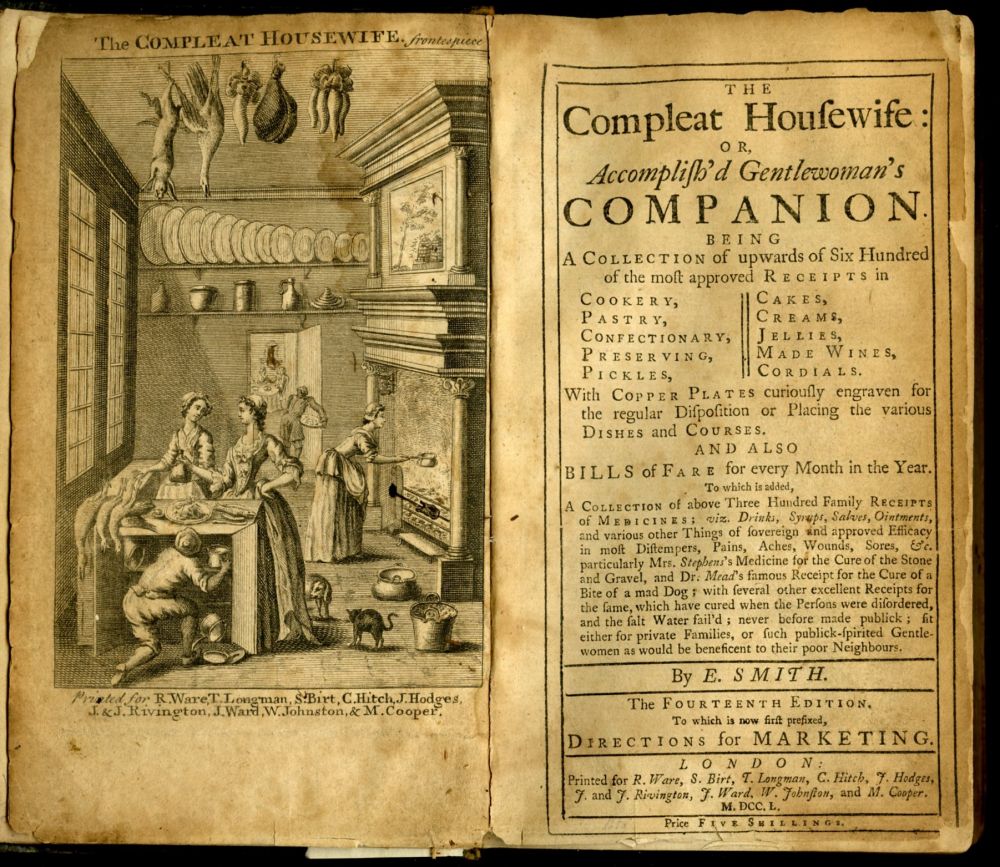
Cooking is the best thing that ever happened to early man just after the discovery of fire. In the 1500s, soup played a significant role in society, mainly when food was scarce soup would be made by putting together all sorts of ingredients in one pot and boiling its contents. This made the soup a convenient food for the rich and also the poor. It was considered easy to digest by the sick, the soup was also considered as a watery gruel. In the 1500s, some cultures would roast and ground cereals to create a paste and then boil with additional water to create a soup, while other cultures vegetables and starchy food such as peas, beans, and legumes or any paste-like product would be boiled in a pot this would make the soup more filling.
Most cultures still practice this all around the world. As time passed, the quality of soup improved due to the advancements in agricultural practices in the 1600s, and with the availability of seasoning, herbs, and quality vegetables took the quality of soup to another level. Fresh fruits or dried fruits would be adapted into the soup as it was seen as a way to improve the flavor, as compared to the Early ages where soup makers could dig a hole in the ground line it with animal skin and use it to boil water using the hot stones that would boil bones to render fats so as to avoid protein poisoning, this practice can be traced back to the Neanderthals who would make a drinkable broth with this method.
In the early 1600s submerging food in water held some significance since it allowed food to cook better within a shorter time and more thoroughly. This process would provide much better flavor to the soup since the foods would release their juices in the soup and make it tastier, allowing it to be thicker this opened the possibility of including ingredients that were not considered earlier due to the risk of food poisoning.
In the 1600s and 1700s, soup was mainly for the poor when the living classes were largely divided, and roasting would be considered for the humane and wealthier in the society this was during the renaissance. But the soup was still in many meals and dinner tables as there was much more careful and advanced preparation of soup.