Topic · Meat & Poultry
How to Debone a Duck
Why Debone a Duck?
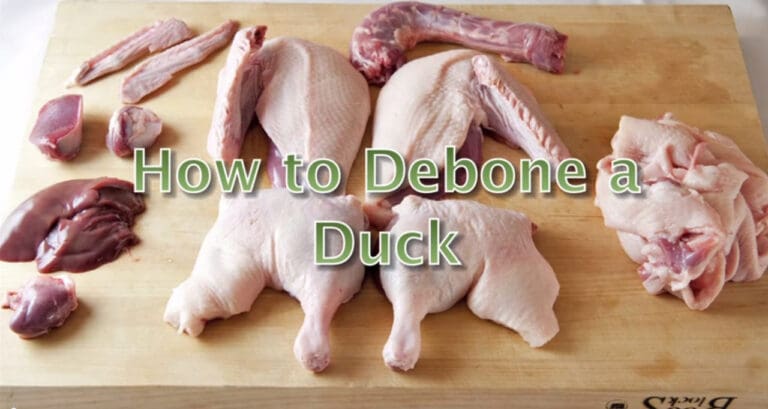
Deboning a duck is a useful butchery skill for preparing ballotine, galantine, stuffed duck, roulades and boneless roasting portions. It also allows the carcass and bones to be used for duck stock. The goal is to remove the bones while keeping the skin and meat as intact as possible.
Equipment and Preparation
Use a sharp boning knife, a stable cutting board and a clean tray for the meat. Keep the duck refrigerated until preparation and work efficiently. Remove any packaging and check the cavity for giblets. Pat the bird dry so it is easier to handle.
Basic Deboning Sequence
- Place the duck breast-side down and locate the backbone.
- Use the tip of the boning knife to cut carefully along one side of the backbone, following the natural line of the bones and keeping the blade close to the carcass.
- Repeat on the other side and remove the backbone.
- Work around the rib cage, separating the meat from the bones with short, controlled strokes.
- Locate the hip and shoulder joints and separate them at the joint rather than cutting through the bone.
- Remove the leg and wing bones as required by the preparation, keeping the skin intact.
- Remove the breastbone and any remaining small bones or cartilage, then inspect the duck carefully before stuffing or rolling.
Using the Duck Carcass
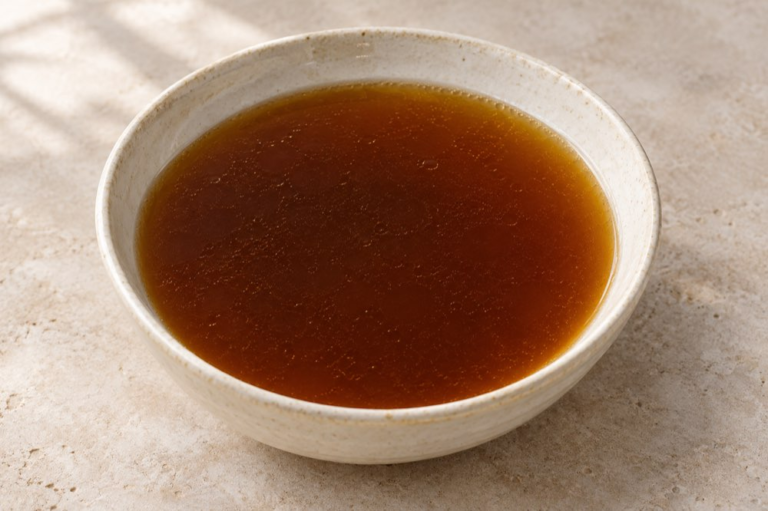
Reserve the clean carcass, backbone and suitable trimmings for duck stock. Remove excess fat if required and roast the bones when a brown stock is desired. Do not include damaged or contaminated trim.
Food Safety and Knife Control
Raw duck is a potentially hazardous poultry product. Keep it refrigerated, use a dedicated clean and sanitized board and knife, and prevent cross-contamination with ready-to-eat foods. Wash hands and sanitize equipment after handling raw poultry. Cook the finished preparation according to a validated recipe and local food-safety requirements.
Chef’s tip: Follow the bones with the tip of the knife rather than forcing the blade. Short, controlled cuts help preserve the meat and skin and reduce waste.