
Topic · Restaurant Business Plan Mastery: From Concept to Execution
Specialist Roles
Objective: To understand the importance and responsibilities of key specialist roles in a restaurant, which ensure the highest quality in service, operations, and customer satisfaction. These roles focus on specific functions and contribute significantly to the smooth operation of both Front-of-House (FOH) and Back-of-House (BOH).
Introduction:
Beyond general management and kitchen staff, specialist roles in a restaurant add value through their expertise in areas like food quality, guest services, and compliance. These professionals help differentiate the restaurant, maintain operational efficiency, and ensure a high-quality experience for guests. From enhancing customer interactions to optimizing kitchen output, specialist roles are indispensable for success.
Key Specialist Roles:
- Sommelier (Wine Specialist):
- Role: Curates the wine list, advises guests on wine pairings, and oversees wine purchasing and storage.
- Duties:
- Maintain a diverse wine inventory.
- Recommend wine pairings based on the menu.
- Educate staff and guests about wine regions, varietals, and food pairings.
- Value: Elevates the dining experience by enhancing wine and food pairings, driving beverage sales, and attracting wine connoisseurs.
- Pastry Chef (Pâtissier):
- Role: Manages the creation of desserts, pastries, and other baked goods.
- Duties:
- Develop dessert menus that complement the main menu.
- Ensure consistency in product quality and presentation.
- Handle the procurement of specialty ingredients for baking.
- Value: Distinguishes the restaurant with a high-quality dessert offering, increasing sales, and satisfying guests with sweet options.
- Bar Manager (Beverage Specialist):
- Role: Oversees the bar, including drink creation, inventory, and staff management.
- Duties:
- Craft unique cocktails and maintain a well-curated drink menu.
- Train bartenders on drink preparation and customer service.
- Track liquor inventory and manage supplier relationships.
- Value: Maximizes the profitability of the bar, enhances the guest experience, and ensures legal compliance in alcohol service.
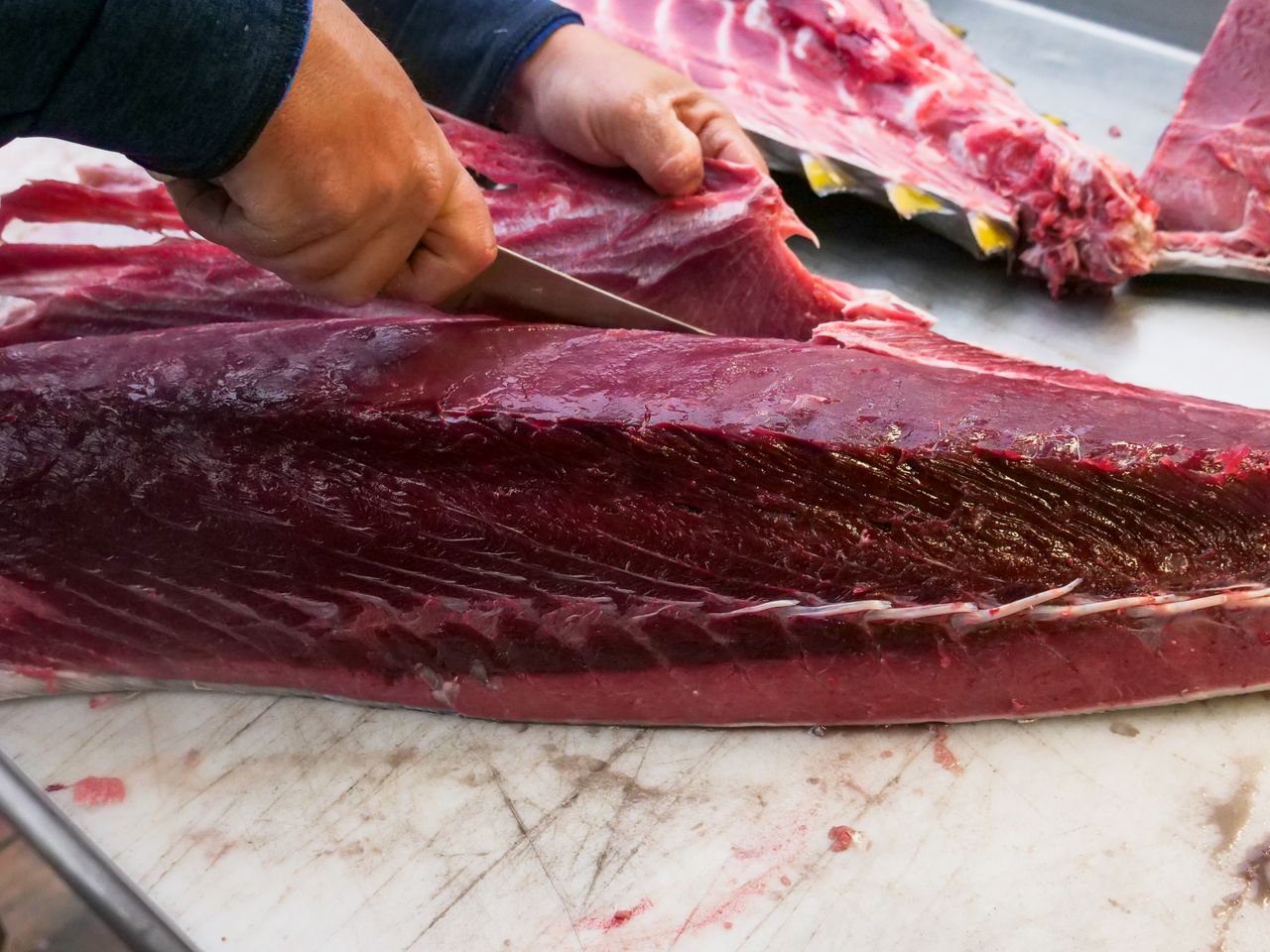
- Butcher:
- Role: Specializes in meat preparation, responsible for handling and cutting meat to the chef’s specifications.
- Duties:
- Cut and prepare various meats for service.
- Manage meat storage and minimize spoilage through proper handling.
- Track and order meat inventory based on menu needs.
- Value: Helps control costs by reducing meat waste and ensuring proper portion sizes, while maintaining high food quality.
- Nutritionist (Health-Conscious Menus):
- Role: Advises on nutritional content and helps create health-conscious menu items.
- Duties:
- Ensure the restaurant offers balanced, nutritious meals.
- Provide information on calorie counts, allergens, and dietary restrictions (gluten-free, vegan, etc.).
- Collaborate with chefs to create healthy meal options without sacrificing flavor.
- Value: Attracts health-conscious diners and ensures that dietary needs are met, boosting customer satisfaction and broadening the customer base.
- Event Coordinator:
- Role: Manages special events, private parties, and large group bookings.
- Duties:
- Organize events and coordinate with kitchen and FOH teams to ensure smooth execution.
- Manage client communication, seating arrangements, and custom menus.
- Oversee event-related setup, from decoration to service flow.
- Value: Drives additional revenue through event hosting, ensuring seamless operations and guest satisfaction during large gatherings.
- Purchasing Manager (Procurement Specialist):
- Role: Handles procurement and purchasing of food, beverages, and supplies for the restaurant.
- Duties:
- Source quality ingredients and negotiate favorable pricing with suppliers.
- Track inventory levels and place orders based on usage forecasts.
- Ensure compliance with food safety and sourcing standards.
- Value: Ensures cost-efficient sourcing of high-quality products, reducing supply costs and preventing stock shortages.
- HR Specialist (Human Resources):
- Role: Manages staff recruitment, training, and development.
- Duties:
- Recruit and hire new staff, ensuring they fit the restaurant’s culture.
- Implement training programs for both FOH and BOH staff.
- Handle employee relations, benefits, and compliance with labor laws.
- Value: Maintains a well-trained, motivated workforce, improving service quality and reducing turnover.
- Marketing and Social Media Manager:
- Role: Oversees the restaurant’s marketing strategy, including digital presence and customer engagement.
- Duties:
- Develop marketing campaigns to promote new menu items, events, or seasonal offerings.
- Manage social media platforms to engage with customers and showcase the restaurant’s atmosphere.
- Track marketing campaign performance and adjust strategies for better engagement.
- Value: Drives customer traffic and enhances the restaurant’s brand through effective marketing, helping to attract both new and returning guests.
- Health and Safety Officer (Compliance Specialist):
- Role: Ensures the restaurant meets health, safety, and hygiene standards.
- Duties:
- Monitor cleanliness and safety protocols throughout the restaurant.
- Conduct regular inspections and staff training on food safety procedures.
- Ensure compliance with local health regulations and respond to health inspections.
- Value: Protects the restaurant from health code violations and ensures a safe environment for both staff and guests.
Importance of Specialist Roles:
- Expert Knowledge: Specialists bring targeted expertise that enhances both the quality and efficiency of operations.
- Cost Efficiency: Roles like Purchasing Managers and Butchers directly impact cost control through proper handling, procurement, and portioning of ingredients.
- Customer Satisfaction: Event Coordinators, Sommeliers, and Bar Managers help elevate the dining experience by offering unique services that can drive repeat business and improve the guest experience.
- Compliance: Roles like Health and Safety Officers ensure legal compliance, reducing the risk of penalties and ensuring a safe, healthy environment for guests.
Conclusion:
Specialist roles play a crucial role in a restaurant’s success by bringing deep knowledge in specific areas that drive operations, customer satisfaction, and profitability. Whether focused on enhancing the customer experience or ensuring behind-the-scenes efficiency, these roles are essential to delivering a high-quality dining experience and maintaining smooth operations.
Understanding the responsibilities and value of specialist roles is key to ensuring the right expertise is in place to support both the front and back of the house, making a significant difference in the overall success of the restaurant.