
Topic · Restaurant Business Plan Mastery: From Concept to Execution
Onboarding Process
… for Restaurants
Objective: By the end of this lesson, students will understand the importance of a structured onboarding process for new restaurant employees, the key steps involved, and best practices for ensuring a smooth integration into the restaurant team.
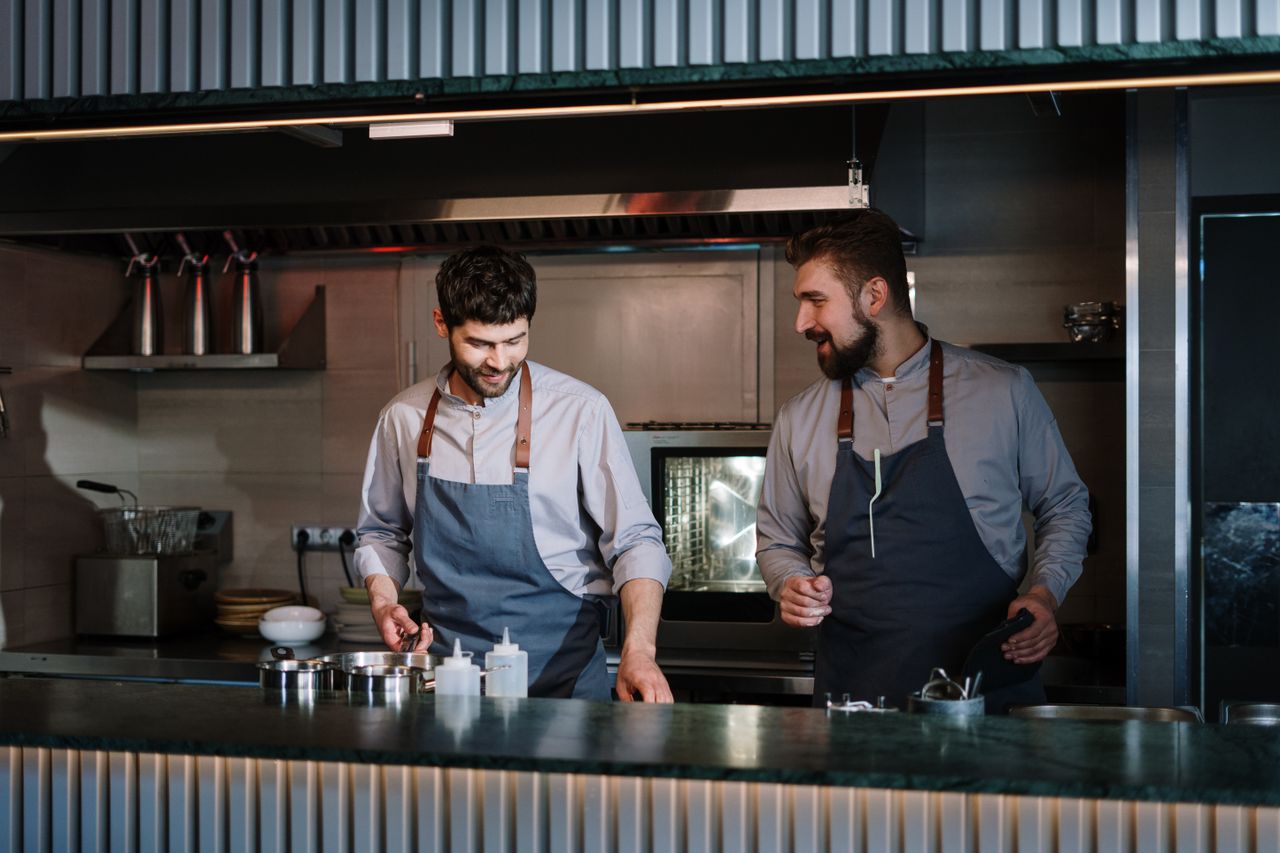
1. Introduction to Onboarding in Restaurants
The onboarding process is the series of steps that guide new employees through their initial period in a restaurant. It includes training, familiarization with the restaurant’s culture, and a clear understanding of job expectations. A well-designed onboarding process can improve employee retention, engagement, and performance, which is especially crucial in the fast-paced restaurant industry.
2. Key Components of a Restaurant Onboarding Process
a. Pre-Onboarding: Setting the Stage
- Purpose: Prepare for the new employee’s arrival before their first day.
- Actions:
- Send a Welcome Email: Include details about their start date, time, uniform/dress code, and who to contact on their first day.
- Set Up Workstations: Make sure any necessary equipment (POS system, uniform, name tag) is ready for them.
b. Orientation: Introducing the Restaurant
- Purpose: Familiarize the employee with the restaurant’s culture, values, and basic operational procedures.
- Actions:
- Tour of the Restaurant: Show key areas like the kitchen, dining area, storage, and staff rooms.
- Introduce the Team: Ensure the new hire meets their colleagues and managers.
- Overview of Restaurant Values: Share the mission, vision, and core values of the restaurant.
c. Role-Specific Training
- Purpose: Ensure that the new hire is fully trained in their role, from tasks to expectations.
- Actions:
- Job Shadowing: Pair the new hire with an experienced employee to observe daily operations.
- Hands-On Training: Walk the new hire through their key responsibilities (e.g., serving customers, cooking, using the POS system).
- Safety and Health Training: Cover food safety, hygiene standards, and emergency procedures.
d. Policy and Procedure Training
- Purpose: Educate the new hire on the restaurant’s policies, procedures, and legal requirements.
- Actions:
- Review of Employee Handbook: Go over work hours, break times, pay, and other important policies.
- Health and Safety Protocols: Emphasize the importance of compliance with health codes and safe kitchen practices.
- Customer Service Expectations: Detail the service standards the restaurant upholds (e.g., handling complaints, ensuring guest satisfaction).
e. Soft Skills and Cultural Fit
- Purpose: Help new hires understand the importance of team dynamics and customer service culture.
- Actions:
- Teamwork Training: Conduct workshops or discussions on effective communication and teamwork.
- Cultural Sensitivity: If applicable, train staff to be respectful of diverse cultures, both within the team and among customers.
- Customer Engagement Tips: Provide training on how to greet, engage with, and satisfy customers.
f. Check-ins and Feedback
- Purpose: Ensure new employees feel supported and are adjusting well.
- Actions:
- Weekly Check-ins: Meet with the new hire during their first few weeks to address any concerns or answer questions.
- Performance Feedback: Provide constructive feedback on their performance and offer guidance for improvement.
- Mentorship Opportunities: Pair the new hire with a mentor or experienced team member for ongoing support.
3. Why an Onboarding Process Matters in Restaurants
a. Employee Retention:
A good onboarding experience reduces turnover by ensuring employees feel comfortable, prepared, and valued from day one.
b. Improved Performance:
Employees who receive thorough training are more likely to perform their duties efficiently and meet the restaurant’s standards.
c. Boosts Employee Engagement:
A structured onboarding process helps new hires feel connected to the restaurant’s culture, which increases engagement and motivation.
d. Legal Compliance:
Onboarding helps ensure that employees are aware of critical health and safety regulations, minimizing legal risks for the restaurant.
4. How to Create an Effective Onboarding Process for a Restaurant
a. Personalize the Experience:
Tailor the onboarding experience to the role and individual. For example, training for a new cook should focus heavily on the kitchen’s unique workflows, while servers need to prioritize customer service skills.
b. Use Technology:
Utilize digital platforms to streamline paperwork, provide video tutorials, and manage training checklists.
c. Provide Ongoing Training:
Onboarding doesn’t stop after the first week. Offer continuous learning opportunities, such as new menu training, customer service workshops, or leadership development for high performers.
d. Encourage Team Interaction:
Create opportunities for new hires to interact with their team socially and professionally, such as team-building exercises or staff meals.
e. Measure Success:
Gather feedback from new hires about their onboarding experience. This information can help improve the process and ensure it aligns with both the employee’s and the restaurant’s needs.
5. Common Onboarding Mistakes
a. Overloading Information:
Avoid overwhelming new hires with too much information in a short period. Break training into manageable sections and provide resources they can reference later.
b. Lack of Follow-up:
Failing to check in after the initial onboarding phase can lead to unresolved issues and miscommunication.
c. Inconsistent Training:
Ensure that all new employees receive the same level of training. Inconsistencies can lead to performance gaps and confusion.
d. Focusing Only on Tasks:
While training for tasks is important, don’t neglect the restaurant’s culture, team dynamics, and customer service expectations.
6. Example Onboarding Checklist for a New Server
- Day 1:
- Introduction to the team and restaurant tour.
- Review of employee handbook and policies.
- Overview of menu items and daily specials.
- Week 1:
- Job shadowing with an experienced server.
- Training on taking orders, upselling, and using the POS system.
- Food safety and hygiene training.
- Daily check-ins with the manager for feedback and guidance.
- Month 1:
- Independent table service.
- Ongoing mentoring from senior staff.
- Weekly check-ins for performance feedback.
- Introduction to handling customer complaints.
Conclusion
A structured and thoughtful onboarding process is essential for the success of a restaurant. It ensures that employees are well-prepared, engaged, and aligned with the restaurant’s values, ultimately contributing to a better guest experience and a more cohesive team. By following the steps outlined in this lesson, restaurant managers can create an onboarding experience that sets employees up for long-term success.