
Topic · Restaurant Business Plan Mastery: From Concept to Execution
Calculating the Break-Even Point
Objective: The objective of this lesson is to understand how to calculate the break-even point (BEP) for a restaurant and evaluate its implications for financial planning. By the end of this lesson, you will be able to:
- Define the break-even point and its significance.
- Calculate the break-even point in both units and revenue.
- Assess the break-even hourly rate to evaluate the feasibility of operational plans.
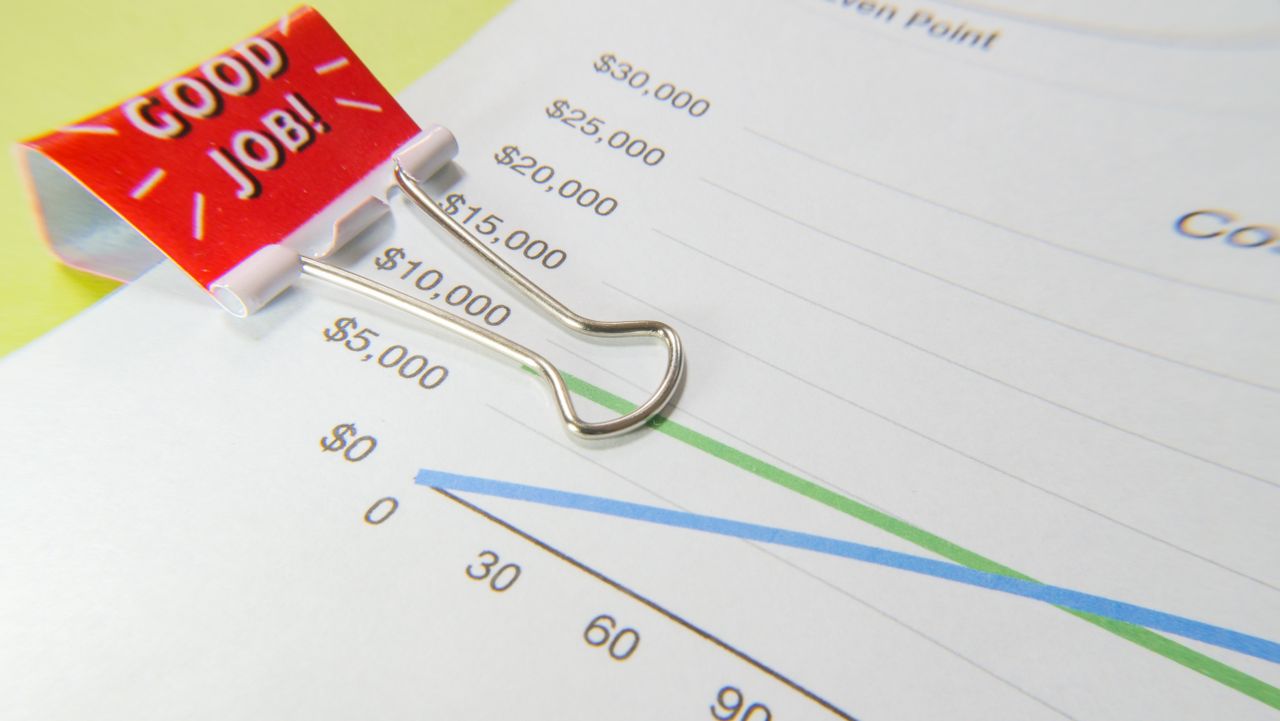
What is the Break-Even Point?
The break-even point is the level of sales at which total revenues equal total costs, resulting in neither profit nor loss. Understanding your break-even point is essential for setting realistic sales targets and making informed financial decisions.
Key Components
- Fixed Costs: Costs that do not change regardless of sales volume (e.g., rent, salaries).
- Variable Costs: Costs that fluctuate with sales (e.g., food and beverage costs).
- Sales Price: The price at which you sell your products.
Break-Even Point Calculation
The formula to calculate the break-even point in units is:
Break-Even Point (units) = Fixed Costs ÷ (Selling Price per Unit − Variable Cost per Unit)
To find the break-even point in revenue: 
Break-Even Hourly Rate
The break-even hourly rate is calculated by dividing the break-even revenue by the number of business hours. This helps assess whether your sales targets are realistic.
Example:
If your break-even revenue is $15,000 and your restaurant operates 300 hours in a month, the break-even hourly rate would be:
$15,000 ÷ 300 hours = $50 per hour
This means you need to generate $50 per hour to cover costs, allowing for a clear assessment of your operational plans.
Conclusion
Calculating your restaurant’s break-even point and hourly rate provides vital insights for financial planning. It helps you determine realistic sales targets, assess the feasibility of your business plan, and ensure long-term financial sustainability.
Assignment: Break-Even Analysis
Task: Calculate the break-even point for your restaurant based on hypothetical fixed and variable costs. Include the break-even hourly rate to assess whether your sales projections align with operational plans.
Deliverable: A 1-2 page report detailing your calculations and insights gained from the break-even analysis.