
Topic · Working in a Restaurant
Receiving Practices
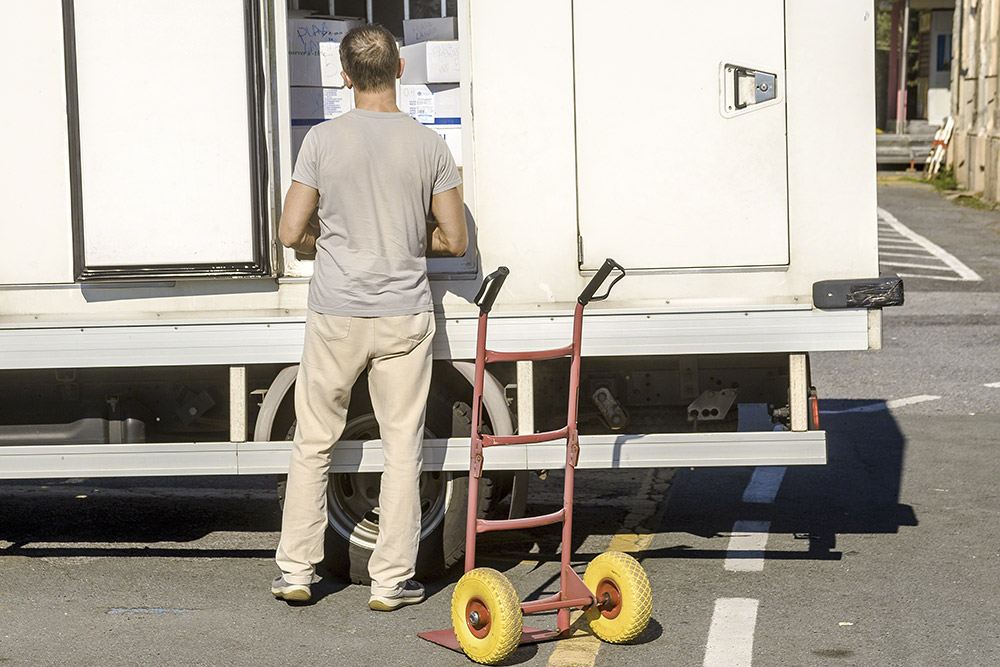
Hazard Analysis and Critical Control Points, aka HACCP, is an operating system that ensures that as many precautions as possible are undertaken to eliminate, minimize, or prevent any contamination. HACCP identifies critical control points that relate to all transportation, handling, preparation, service, and storage of food products. HACCP is cover in The Food Safety Plan course.
Receiving, storage, and preparation are all critical sections of a food safety flow chart, and accepting of products is your first step when developing a flow chart. The following are essential elements to consider when receiving products in general:
- Only accept food shipments from approved sources, and check that the delivery vehicle is clean and with foodsafe temperature.
- Reject shipment if the vehicle is dirty or if there is evidence of pests.
- Ensure you have adequate storage space for food.
- Don’t order more than you can use in a reasonable time.
- Ensure that chemicals have been stored separately from food and food containers on the vehicle. Check for spoilage and leakage.
- Check the temperatures of the refrigerated delivery truck is at or below 4 °C / 40 °F and freezer storage at or below -18 °C / 0 °F.
- Using a probe thermometer, check that the internal temperature of refrigerated is at or below 4 °C / 40 °F and frozen food at or below -18 °C / 0 °F.
- If the temperature is not within an acceptable range, do not accept the shipment (because you are unable to ascertain the length of time that the temperature has been unacceptable).
- Do not accept food that is spoiled, damaged, or past its ‘best before date”. Reject those products systematically.
- Never assume that all the food you receive is good enough to eat.
- The receiving dock and related areas should be well lit and kept very tidy. Incorporate this area into a daily cleaning schedule to ensure proper cleanliness.
- Schedule your deliveries to allow adequate time for the proper inspection and receiving of all food products.
- Have all the appropriate equipment and containers on hand. Scales, plastic gloves, cambro, and thermometers are essential pieces to have an easy reach.
- Make sure that all food is labeled with the product name and the date it was received.
- Do not store food on the floor. All food should be stored at least 6″ / 15 cm from the floor.
- Always store raw animal foods on the bottom shelf in the cooler below, ready to eat food or any food that will not be further cooked.
Each group of food, whether dry foods, dairy products, fresh produce, or meats, requires a slightly different procedure. No matter what the product type, the principal component in a receiving system is accuracy. Any carelessness or half-hearted attempts at checking the delivery will render the whole process useless.
Received foods should be put away immediately in this order:
- Potentially hazardous foods requiring refrigeration like meat, seafood, dairy, etc.
- Frozen foods
- Less hazardous food requiring refrigeration like fresh fruits and vegetables, etc.
- Dry goods
FIFO!
Use the “first in, first out” FIFO principle. Pull old sock to the front of the shelf with the best before date label facing you. Note the code date on products: “best before” date, “expiry” date, “use by” date, or “production date” and rotate stock so that older stock is used before new stock. Discard expired product and record it on your waste sheet log.