
Topic · Working in a Restaurant
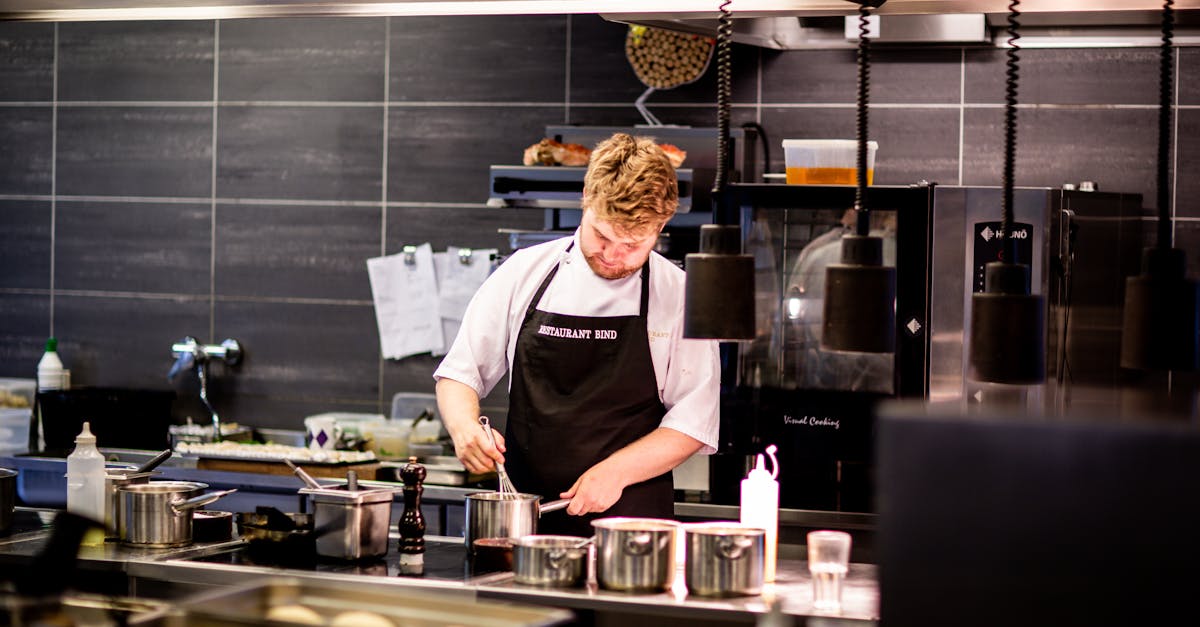
Chef / Kitchen Manager
Objective: To understand the role of the Chef or Kitchen Manager in a restaurant, including responsibilities in kitchen management, staff coordination, menu development, quality control, and cost management. Emphasis will also be placed on adapting to new technologies, ingredients, and customer feedback.
1. Key Responsibilities
1. Menu Planning and Development:
- Craft Menus: Design menus that align with the restaurant’s concept and appeal to customers. Incorporate seasonal ingredients and adjust the menu based on customer preferences and feedback.
- Develop Recipes: Create and standardize recipes to ensure consistency in taste and presentation. Regularly update recipes to integrate new ingredients and techniques.
2. Staff Management:
- Hire and Train: Recruit and train kitchen staff on cooking techniques, food safety, and kitchen protocols. Emphasize the importance of adaptability to new technologies and methods.
- Manage Scheduling: Create and manage staff schedules, considering peak service times and staff availability. Ensure that the kitchen operates efficiently during all shifts.
3. Inventory Management:
- Order and Control: Oversee the procurement of ingredients and kitchen supplies. Establish strong relationships with suppliers to ensure quality and negotiate better terms.
- Track Usage: Use inventory management tools to monitor ingredient usage, track stock levels, and forecast needs. Implement waste reduction strategies and manage stock effectively.
4. Quality Control:
- Ensure Standards: Supervise food preparation to ensure that dishes meet quality standards. Conduct regular taste tests and visual inspections to maintain consistency.
- Integrate Feedback: Collect and analyze customer feedback to make adjustments to recipes and presentation. Use feedback to drive improvements and innovation.
5. Health and Safety Compliance:
- Maintain Hygiene: Enforce strict sanitation practices in the kitchen, including proper food handling and cleanliness of equipment.
- Inspect Facilities: Regularly inspect kitchen equipment and facilities to ensure they meet health and safety regulations.
6. Cost Control:
- Monitor Expenses: Track food and labor costs to stay within budget. Analyze spending patterns and adjust menu pricing or portion sizes as needed.
- Reduce Waste: Implement strategies to minimize waste, such as precise portioning and effective food storage. Regularly review waste logs to identify areas for improvement.
2. Adapting to New Technologies, Ingredients, and Customer Feedback
1. Embracing Technology:
- Kitchen Technology: Integrate new kitchen technologies such as advanced cooking equipment, automated inventory systems, and digital recipe management tools.
- Staff Training: Ensure that kitchen staff are trained to use new technologies effectively and understand their benefits for improving efficiency and consistency.
2. Incorporating New Ingredients:
- Ingredient Trends: Stay informed about emerging food trends and new ingredients. Experiment with innovative ingredients to refresh the menu and attract customers.
- Supplier Relationships: Develop relationships with suppliers of unique and high-quality ingredients. Test and integrate these ingredients into menu offerings based on feasibility and customer response.
3. Leveraging Customer Feedback:
- Feedback Collection: Use various channels, such as comment cards, online reviews, and direct customer interactions, to gather feedback.
- Analyze and Adapt: Analyze feedback to identify trends and areas for improvement. Adjust recipes, presentation, and service based on customer input to enhance the dining experience.
3. Best Practices
1. Menu Development:
- Seasonal Adjustments: Regularly update the menu with seasonal ingredients and innovative dishes. Adapt to customer preferences and feedback to keep the menu exciting and relevant.
- Recipe Standardization: Document and standardize recipes to ensure consistency across all dishes. Update recipes as needed based on new ingredient availability and customer feedback.
2. Staff Management:
- Training Programs: Implement ongoing training programs to keep staff updated on new technologies, cooking techniques, and best practices.
- Motivation: Foster a positive work environment and recognize staff achievements. Encourage feedback and continuous learning.
3. Inventory Management:
- Technology Integration: Use inventory management software to streamline ordering and track usage. Implement tools that help in forecasting needs and managing waste.
- Regular Audits: Conduct regular audits of inventory to ensure accuracy and address discrepancies promptly.
4. Quality Control:
- Routine Checks: Perform regular quality checks on food preparation, presentation, and temperature. Use customer feedback to drive improvements.
- Innovation: Embrace new cooking methods and technologies to enhance quality and efficiency.
5. Health and Safety Compliance:
- Hygiene Standards: Enforce rigorous hygiene standards and regular cleaning schedules. Ensure that all staff adhere to safety protocols.
- Equipment Maintenance: Regularly inspect and maintain kitchen equipment to ensure it operates safely and efficiently.
6. Cost Control:
- Expense Tracking: Use financial tools to monitor food and labor costs. Adjust menu pricing and portion sizes based on cost analysis.
- Supplier Negotiations: Negotiate with suppliers for better terms and explore bulk purchasing options to reduce costs.
4. Final Thoughts
The Chef or Kitchen Manager is integral to the restaurant’s success, overseeing kitchen operations, menu development, and quality control. Adapting to new technologies, ingredients, and customer feedback is essential for maintaining a dynamic and competitive kitchen environment. By embracing best practices in these areas, the Chef can drive culinary excellence, enhance customer satisfaction, and contribute to the overall success of the restaurant.