Topic · Clear Soups Mastery
Broth Soups
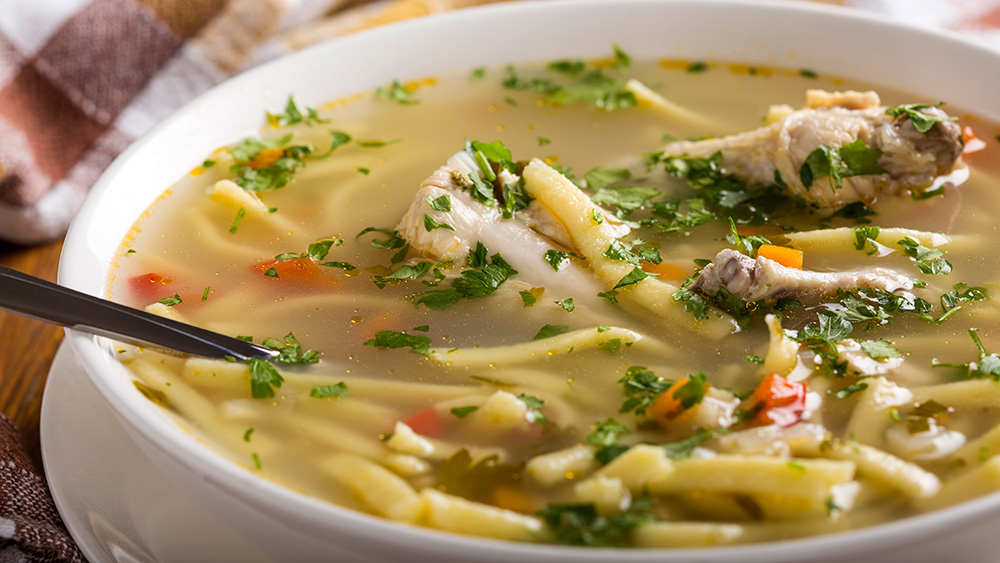
A broth is called “Bouillon” in French cuisine. Broth and stock are similar in technique and cooking time. Meat, poultry, fish, trimmings, or vegetables, which can be roasted or seared, are slowly simmered along with an aromatic vegetable garnish like a Mirepoix.
It is seasoned with spices and herbs that are usually tied up in a bundle or bouquet garni. The broth is skimmed regularly to remove any unwanted impurities and to produce a clear and flavorful liquid with some body. The major distinction between broth and stock is that broth can be served as is, whereas stocks are usually not seasoned and are used in the production of other dishes and the confection of sauces.
Meat and poultry broths have more flavors than their stock counterparts because they are based on meat rather than bones. Fish and vegetable broth are made from the same basic ingredients like fish and vegetable stock, so the difference between them, besides seasoning, is really one of the intended end-use and word choice.
If a broth cooking temperature is carefully regulated so that it is never more than an even, gentle simmer and if the surface is skimmed regularly as necessary, a broth can be clear, full-bodied, and rich as a Consommé, without clarification.
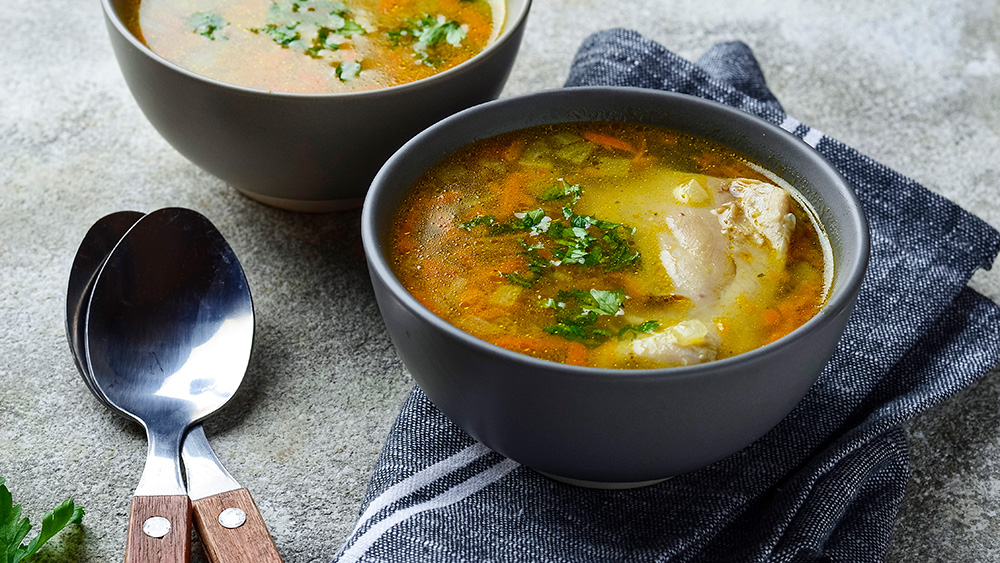
The best broths are made from the most flavorful ingredients. Chefs will choose tougher cuts, like oxtail or beef shank for example, that come from the more exercised part of the animal because the more fully developed the muscle; the more pronounced the flavor will be. They are cooked until the meat is tender and falling off the bone.
The same is true for poultry broth, where stewing hens or more mature game birds are the best choices for intense flavor. Frequently, the meat or poultry used to prepare broths can work for other preparations, if they are cooked until fully tender and no longer. The meat can be Julienned, diced, or chopped to use as a garnish or to create a separate dish.
When making fish consommé and or fish broth, fish freshness is absolutely essential and you should be aware and avoid fish that are rich in oil and fat like Mackerel, Bluefish, or Salmon as they tend to lose their flavor when their oil is exposed to high temperature. It is best to use lean fish like Sole, Halibut, Turbot, Flounder, or Cod for optimum flavor.
Shellfish and crustaceans cooked in the shell in a small amount of liquid produce excellent broth. For example “Poached Crayfish à La Nage” or mussel or clams in white wine, etc. The broth made from these shellfish is very tasty and can be used to make Consommé, as broth in soups or as excellent stock in sauces. In any case, it must be very carefully strained in order to remove all traces of grit or sand prior to further usage.
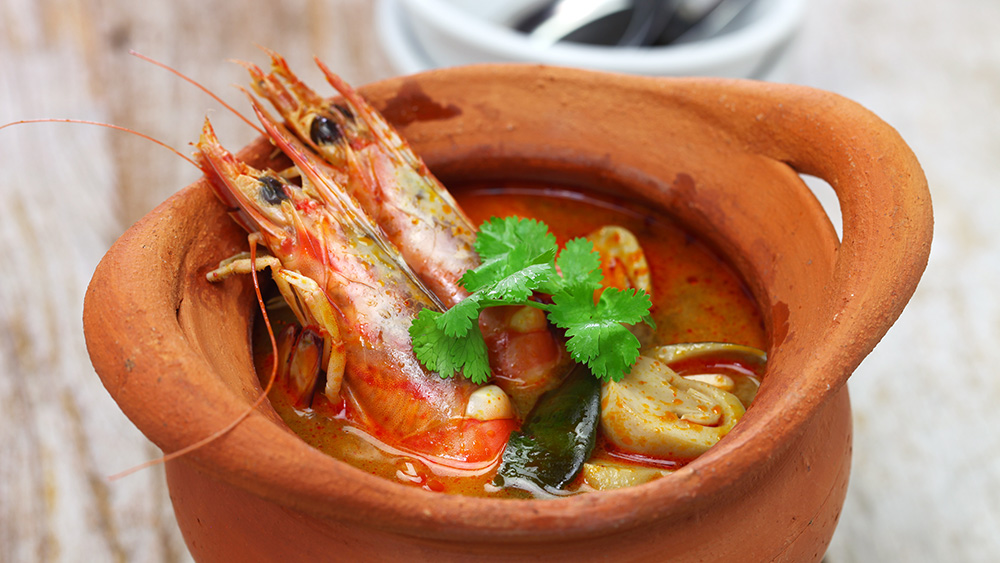
For vegetable broths, combine fresh trimmings from several vegetables or follow a specific recipe. Always consider the strength of the vegetable’s flavor and how that might affect the broth’s balance and flavor. Cabbage family members such as cabbages, cauliflowers, and broccoli can become overwhelmingly strong. Eggplants and green bell peppers are not suitable for vegetable broth as their flavors are too overpowering.
Many broths begin with the simplest of all liquids that are cool fresh water. The better and the purer the water is, the better and more flavorful the broth will be. Using a stock remouillage (second cooking of a stock), or broth as the base for liquid, will produce what is sometimes referred to as a double broth. Select additional ingredients to add flavor, aroma, and color to a broth. Aromatic herb and vegetable combinations like Mirepoix and bouquet garni are commonly used in those broths too. In modern cuisine, broth may call for untraditional ingredients like ginger, lemongrass, dried tomatoes or wild mushrooms to give a broth a unique flavor and strong character.
Garnishing a broth is important and adds visual and textural interest. Simple garnishes such as fine Brunoise, or chervil leaves are traditional. For more information, see our article on “Garnishes and Accompaniments for Clear Soups”.
When assembling the equipment, select a pot large enough for the broth to cook. There should be sufficient room at the top of the pot to allow some expansion during cooking, as well as to make it easy to skim away any impurities on the surface. The pot should be tall and narrow rather than short and wide. You will also need skimmers, ladles, storing containers, strainers, tasting spoons, cups, and a kitchen chef fork to remove any large pieces of meat.