Topic · Clear Soups Mastery
Additions to The Broth
Meats, poultry, and fish
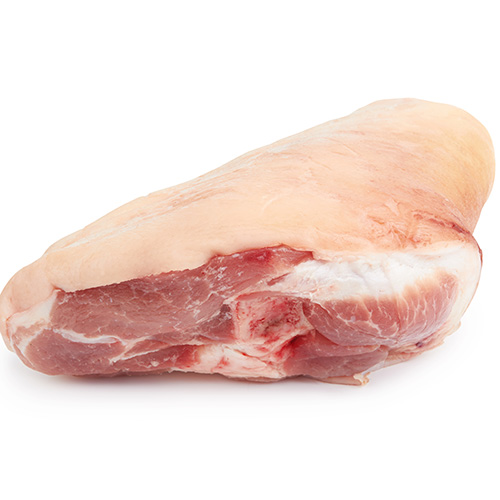
While cooking the broth, meat cuts should be added at the beginning of the cooking process. These cuts of meat should be less tender and more mature so that they will be cooked along with the other ingredients at the same time besides flavoring the broth. Shellfish and fish should be added towards the end of the cooking process so that they will not be overcooked.
Grains and pasta
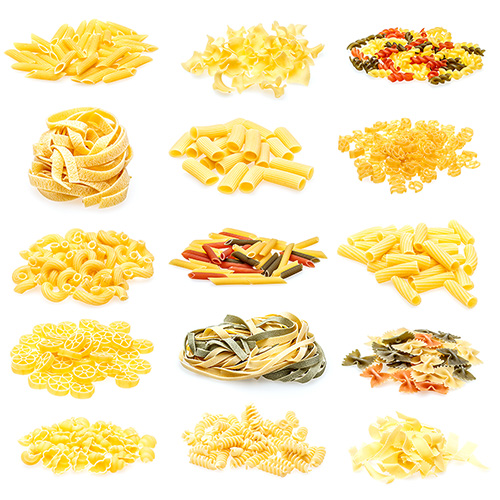
Grains and pasta should be left to boil in salted water a little longer than the usual period.
Legumes
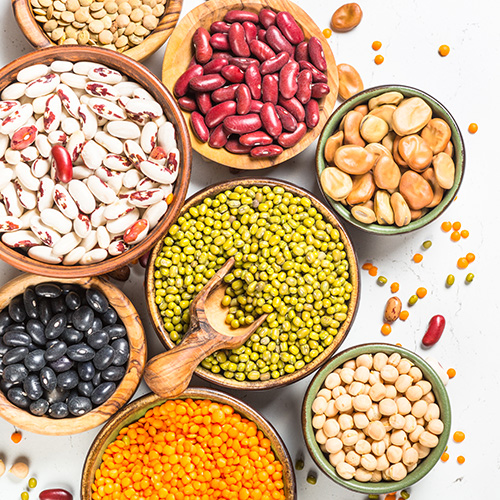
Black-eyed peas and lentils can be added to the soup with the stock so that they are completely cooked. Other types of beans should be cooked separately.
Dense or starch vegetables
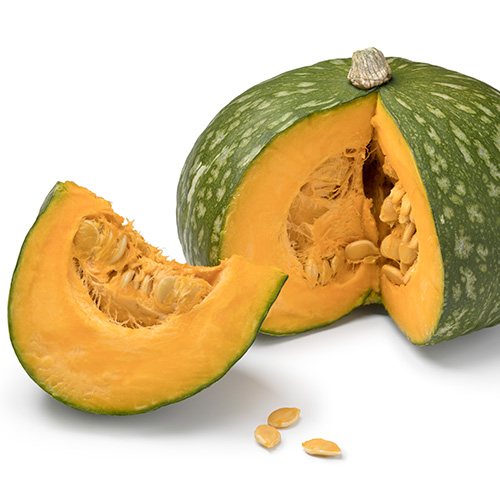
Some vegetables that are cut typically in diced pieces may need 30 to 45 minutes to cook completely such as carrots, winter squashes, rutabagas, parsnips, potatoes, beet, and turnips.
Green vegetables
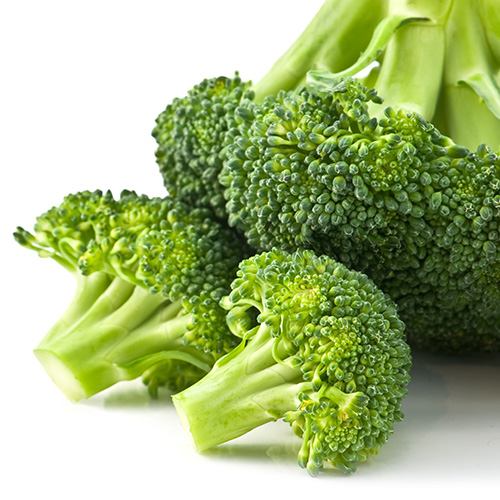
While cooking soups, broccoli florets, leafy green vegetables like spinach or kale, green beans and peas should be added about 15 to 20 minutes when the soup is being simmered before the end of the cooking process. Vegetables are blanched by some chefs who like to retain the colors before they are added to the soup.
Tomatoes
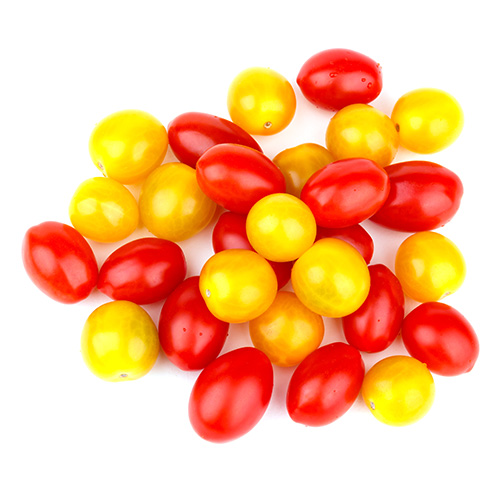
According to the recipe, tomatoes may be added while the soup is being cooked at the beginning with other aromatic ingredients so as to act as a flavoring agent as well as add color to the broth. During the last 5 to 10 minutes of the cooking process or the simmering time, the tomato garnish may be added.
Herbs and spices
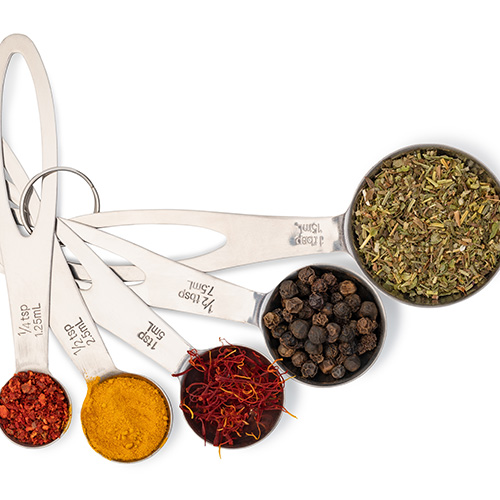
Dried herbs and spices may be added along with other aromatics right through the cooking time to flavor the soup. Sachets or bouquet garni with spices, fresh and dried herbs can be added about 15 to 20 minutes at the end of the cooking time while the soup is being simmered just before serving to acquire the intrinsic and fresh flavor.