
Topic · Working in a Restaurant
Why Bother With Allergies?
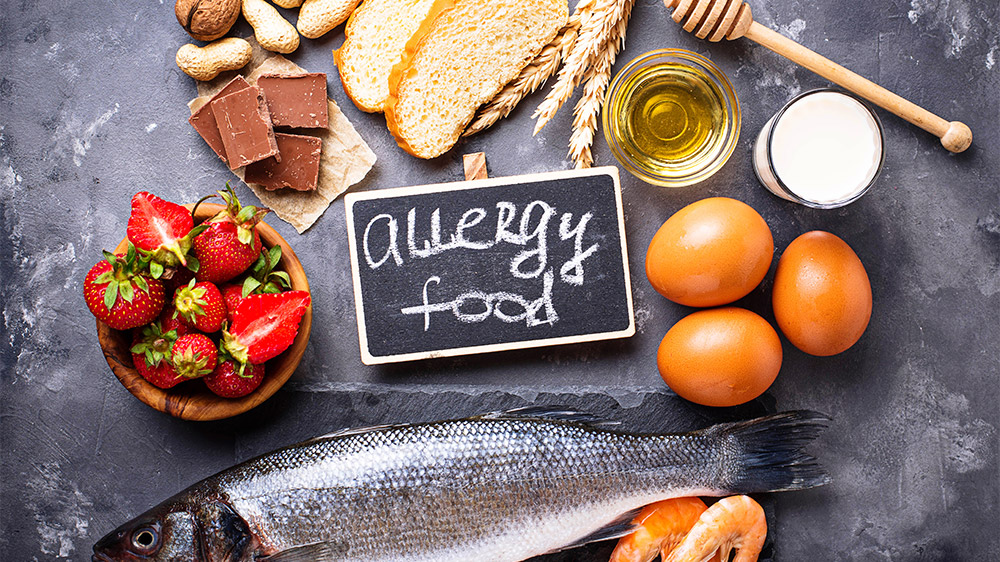
Food allergies are specific to individuals, but can be life-threatening, and can be prevented by a thorough understanding of the allergy issue, knowledge of ingredients used in the preparation of foods, including pre-prepared meals, and care in ensuring separate cooking utensils, cookware, and food preparation surfaces. Often, the smallest oversights can have serious consequences, as indicated in the example below:
A customer has indicated they have an allergy to MSG and ordered chicken strips with sweet and sour sauce. The server tells them that the restaurant doesn’t add MSG to any of its food typically, so the order should be fine. After eating the sauce, the customer experiences tingling lips and hives. In follow up, the manager discovers that the pre-prepared sweet and sour sauce served with the chicken strips contains MSG on the list of ingredients.
This incident could have been prevented if the server was aware of all of the ingredients used in the dish.
Most common allergies

Crustaceans and mollusks
Individuals with crustacean or mollusk allergies can experience allergic reactions without eating these foods. On rare occasions, exposures to proteins in cooking vapors (such as steam from boiling lobsters) and on dishes used to present these foods (like sizzling woks or skillets) can cause an allergic reaction.
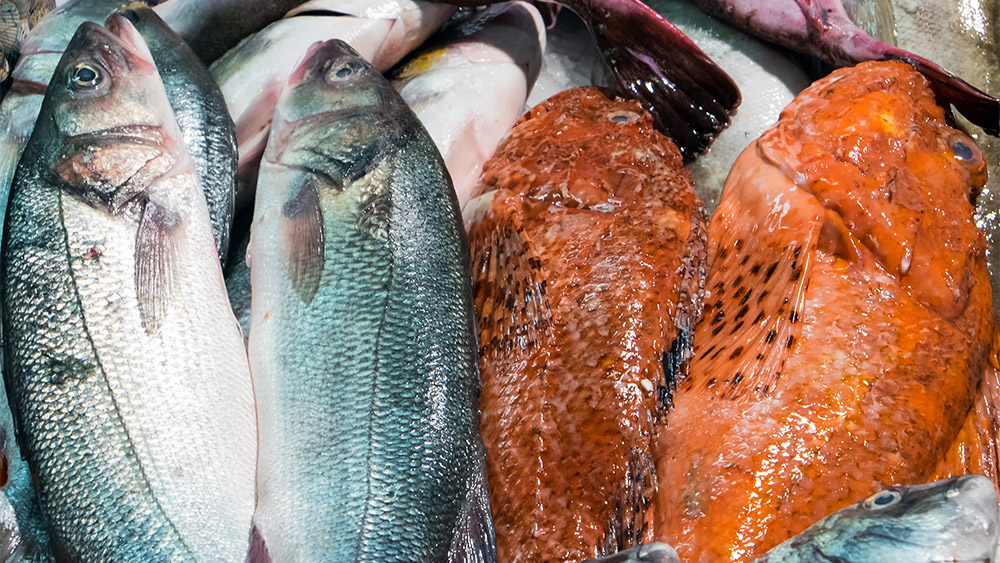
Fish
An allergic reaction usually happens within minutes after being exposed to an allergen (e.g., fish), but sometimes it can take place several hours after exposure. Anaphylaxis is the most severe type of allergic reaction. Individuals with a fish allergy can experience allergic reactions without eating fish. On rare occasions, exposures to fish proteins in cooking vapors (such as steam from cooking fish) and on dishes used to present these foods (like sizzling woks or skillets) can cause an allergic reaction.
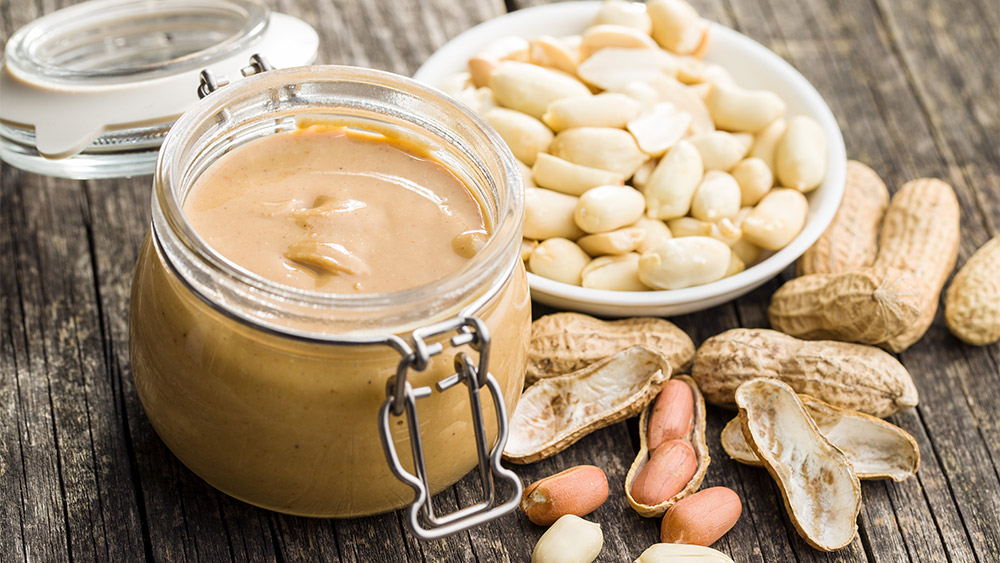
Peanut
0.6% in the United States population is allergic to peanuts. Peanuts can cause a severe, potentially life-threatening allergic reaction. Allergic reactions can be unpredictable, and even minimal amounts of peanut can create one.

Mustard
People with a mustard allergy should not eat any food if it contains mustard or canola meal or protein, or if it includes cold-pressed canola or rapeseed oil as an ingredient.
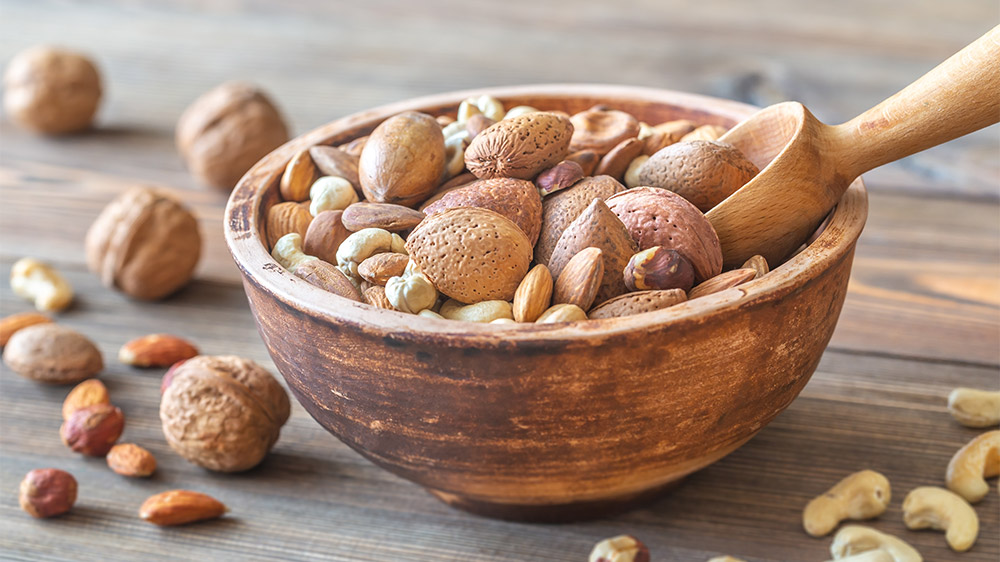
Tree nuts
An allergic reaction usually happens within minutes after being exposed to an allergen, but sometimes it can take place several hours after exposure.
- Tree nuts considered as priority allergens include almonds, Brazil nuts, cashews, hazelnuts, macadamia nuts, pecans, pine nuts (pignolias), pistachio nuts and walnuts.
- Peanuts are part of the legume family and are not considered a tree nut.

Milk
A milk allergy is different than milk (or lactose) intolerance. Unlike people with lactose intolerance, individuals with milk allergy have an immune system that reacts abnormally to milk proteins, and it can be life-threatening.

Sesame
An allergic reaction usually happens within minutes after being exposed to an allergen (e.g., sesame), but sometimes it can take place several hours after exposure.

Eggs
Eggs are the most common allergy for children. Egg allergy symptoms usually occur a few minutes to a few hours after eating eggs or foods containing eggs. Signs and symptoms range from mild to severe and can include skin rashes, hives, nasal congestion, and vomiting, or other digestive problems.
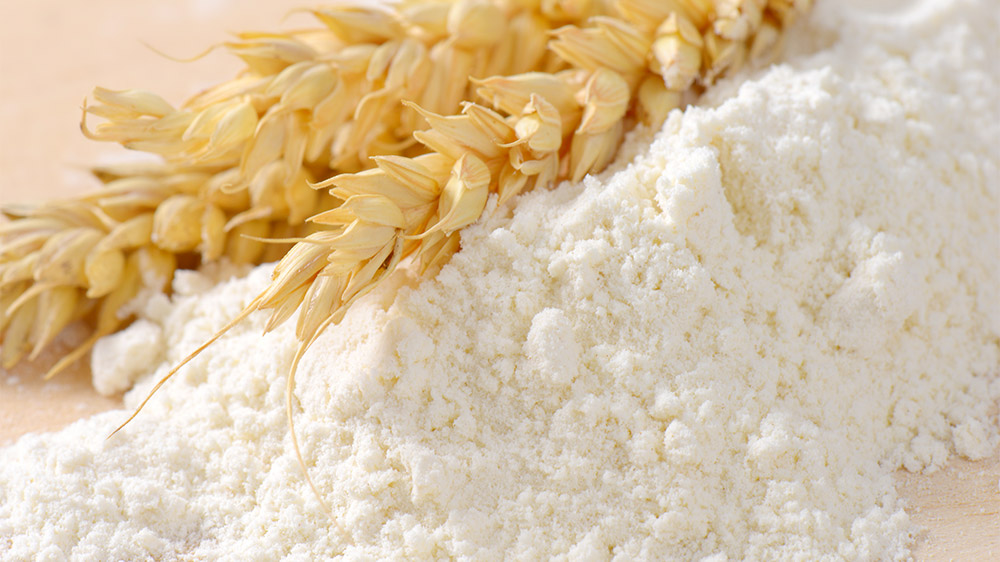
Wheat
0.3 to 3.4 % of the European population is allergic to wheat, and 13.9 % declare sensitization to it. Wheat allergy could be confused with celiac disease, but these conditions differ. Wheat allergy symptoms include swelling, itching, or irritation of the mouth or throat. Hives, itchy rash, or swelling of the skin. Nasal congestion, headache, difficulty breathing, cramps, nausea, or vomiting.

Soy
0.1% to 0.4% of children are allergic to soy. Soy allergy symptoms can include tingling in the mouth, hives, itching, scaly skin, swelling of the lips, face, tongue, and throat, or other body parts. Wheezing, a runny nose, or breathing difficulty. Abdominal pain, diarrhea, nausea, or vomiting.