
Topic · Working in a Restaurant
Food Storage Introduction
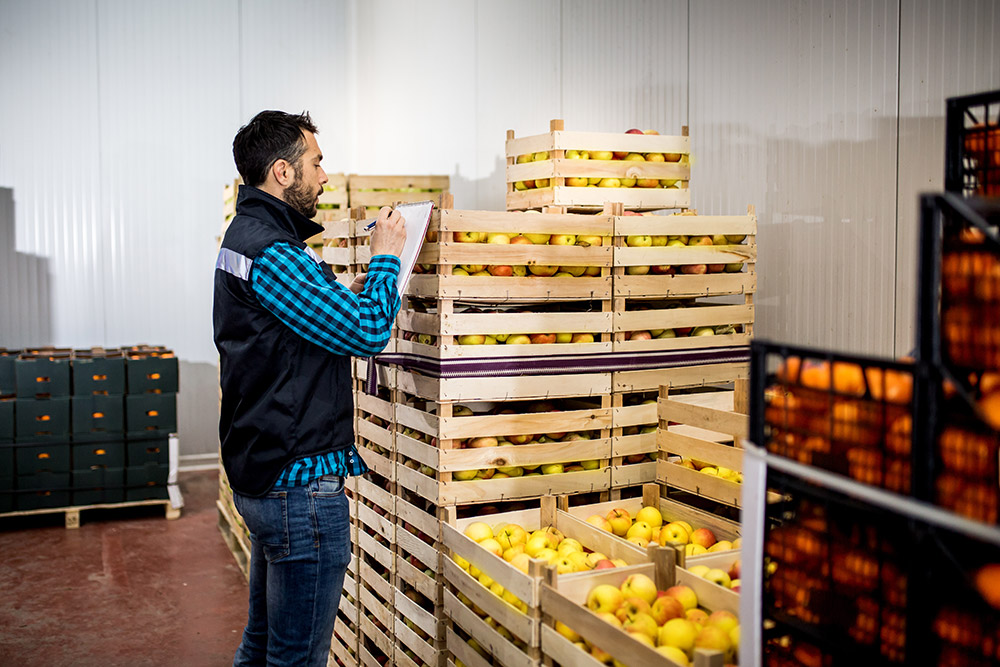
A food service operation needs to have clearly defined storage areas and procedures for several reasons. First, by providing storage facilities, it is possible to purchase supplies in quantities large enough quantities to get price breaks. Second, the ability to store supplies on the premises reduces the cost and time needed to order supplies and handle them upon delivery. Third, menu planning is easier when you are aware of the quality, quantity, and types of supplies that are on hand. If there is a run on a particular menu item, it is nice to know there are enough materials on hand to ensure that everyone who orders the item can be served.
In today’s market, many foodservice operations are reducing the amount of stock they keep on hand because storage is expensive. Not only does space need to be found, but security needs to be tight. Many operators are willing to pay a bit extra to suppliers in order to avoid the headaches of keeping track of expensive items such as large quantities of high-quality meat, wines, and spirits.
Regardless, there still is a need for storing many types of supplies, including dry foods, dairy products, frozen foods, produce, and fresh meats. Storage areas for such items often have design requirements that must be built into space in order to efficiently handle the specific types of supplies.