
Topic · Fundamental Cooking Skills Masterclass
What is “Celiac”?
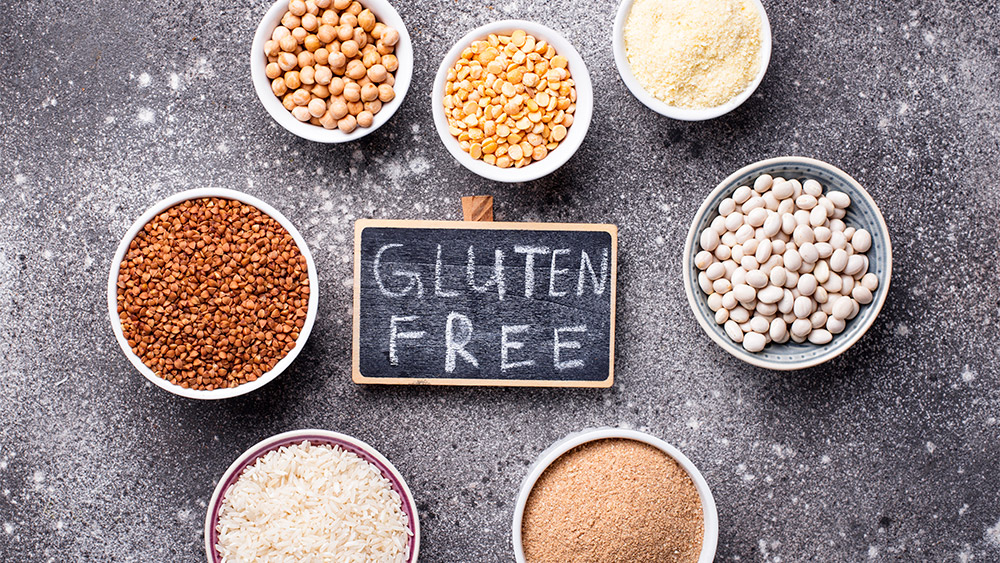
Celiac disease is an autoimmune disorder affecting between 0.5 and 1.0 percent of Americans—that is, one in every one to two-hundred people. It is caused by an abnormal immune reaction of small intestine cells to a type of protein called gluten. Gluten forms in the presence of water and are composed of two protein parts, glutenin and gliadin. Glutenin and gliadin are found in grains that are commonly used to make bread, such as wheat, rye, and barley.
When the bread is made, the yeast eats the flour and makes a waste product, carbon dioxide, which forms bubbles in the dough. As the dough is kneaded, gluten forms and stretches. The carbon dioxide gas bubbles infiltrate the stretchy gluten, giving bread its porosity and tenderness. For those who are sensitive to gluten, it is good to know that corn, millet, buckwheat, and oats do not contain the proteins that make gluten. However, some people who have celiac disease also may have a response to products containing oats. This is most likely the result of cross-contamination of grains during harvest, storage, packaging, and processing.
Celiac disease is most common in people of European descent and is rare in people of African American, Japanese, and Chinese descent. It is much more prevalent in women and in people with Type 1 diabetes, autoimmune thyroid disease, and Down and Turner syndromes. Symptoms can range from mild to severe and can include pale, fatty, loose stools, gastrointestinal upset, abdominal pain, weight loss, and, in children, a failure to grow and thrive. The symptoms can appear in infancy or much later in life, even by age seventy.
Celiac disease is not always diagnosed because the symptoms may be mild. A large number of people have what is referred to as “silent” or “latent” celiac disease. Celiac disease diagnosis requires a blood test and a biopsy of the small intestine. Because celiac disease is an autoimmune disease, antibodies produced by white blood cells circulate in the body and can be detected in the blood.
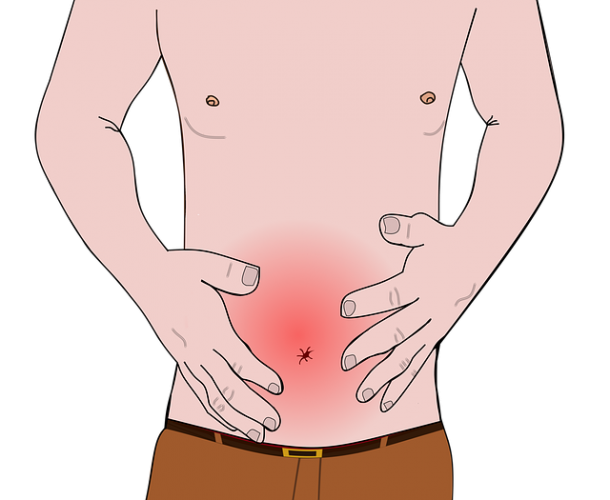
When gluten-containing foods are consumed, the antibodies attack cells lining the small intestine leading to a destruction of the small villi projections. This tissue damage can be detected with a biopsy, a procedure that removes a portion of tissue from the damaged organ. Villi destruction is what causes many of the symptoms of celiac disease. The destruction of the absorptive surface of the small intestine also results in the malabsorption of nutrients, so that while people with this disease may eat enough, nutrients do not make it to the bloodstream because absorption is reduced.
The effects of nutrient malabsorption are most apparent in children and the elderly as they are especially susceptible to nutrient deficiencies. Over time these nutrient deficiencies can cause health problems. Poor absorption of iron and folic acid can 615 cause anemia, which is a decrease in red blood cells. Anemia impairs oxygen transport to all cells in the body. Calcium and vitamin D deficiencies can lead to osteoporosis, a disease in which bones become brittle. If you think you or someone close to you may have celiac disease, do not despair; it is a very treatable disease.
Once diagnosed, a person follows a gluten-free diet for life. This requires dedication and careful detective work to seek out foods with hidden gluten, but some stores carry gluten-free foods. After eliminating gluten from the diet, the tissues of the small intestine rapidly repair themselves and heal in less than six months.
Know about Gluten
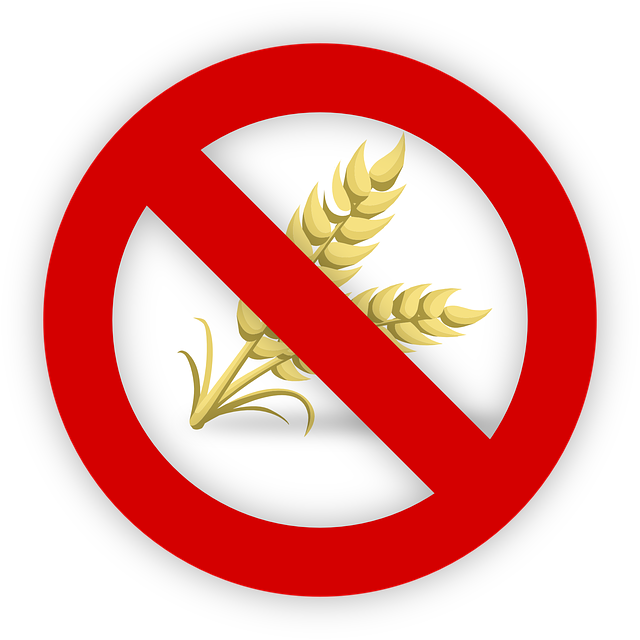
Wheat, rye, barley, and oats all contain the protein gluten. Some people have Celiac disease, which leads them to experience digestive problems when consuming gluten. Luckily, many gluten-free recipes can benefit people who suffer from this disease.
Baking Gluten-Free
Because as many as 10% of Americans are thought to suffer from gluten intolerances, many manufacturers have begun to produce gluten-free products to accommodate demand. However, meeting this need is not easy, since gluten is present in so many products necessary to make a good dough, most importantly wheat flour.
Because as many as 10% of Americans are thought to suffer from gluten intolerances, many manufacturers have begun to produce gluten-free products to accommodate demand. However, meeting this need is not easy, since gluten is present in so many products necessary to make a good dough, most importantly wheat flour.
The most common types of gluten-free flours are described below: (all other types must be avoided as they are not gluten-free)
| Flour | What it is Made From | Purpose or Benefit |
| Garbanzo bean flour | Made from garbanzo beans. | Popular in Middle Eastern cooking and baking, such as in falafel. |
| Fava bean flour | Made from fava beans, often mixed with garbanzo beans to form Garvava flour. | High in fiber and iron, described as having an earthy flavor. |
| Sorghum flour | A semi-exotic grain milled into starchy flour. | Absorbs flavors well and provides a good source of fiber and iron. Sometimes imparts a bitter aftertaste. |
| Rice flour | Made from white or brown rice, both of which are gluten-free. | Offers added pliability to crusts without any added flavors. Brown rice flour contains bran and is great for muffins and bread. Look for fine-textured rice flour for the best results. |
| Soy flour | A flour made from roasted and ground soybeans. | Provides a good source of quality protein, has a nutty flavor and helps create a pleasant texture. Particularly good for brownies. |
| Potato flour | Made from whole potatoes that have been cooked, dried and ground. | Provides a dense, moist crumb when mixed with other flours in baked goods. |
| Tapioca flour | A starch extracted from cassava roots also called cassava flour. | Improves texture and lends a crispier, golden-brown crust. Also used in puddings and as a thickener in cooking. Use it to obtain a chewier texture. |
| Amaranth flour | Flour ground from seeds of the amaranth plant, an ancient grain. | Combines well with other flours to create a smoother texture in cakes and some bread. High in protein, fiber, iron and calcium. |
| Potato starch flour | Made from a complex process requiring the starch to be separated from the whole potato. | Denser than potato flour and provides a good substitute for wheat flour. |
| Millet flour | Made from millet grain. | Historic mainly in Asian cooking, and often combined with other flours. Known for its natural sweetness and imparts a crunchy crust in bread. |