
Topic · Fundamental Cooking Skills Masterclass
Bacteria
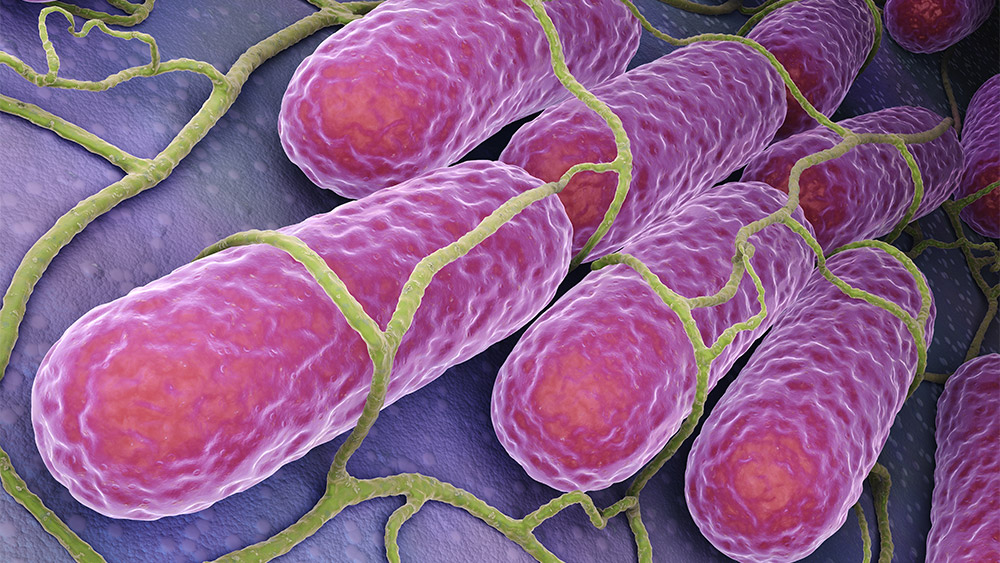
Bacteria are a common cause of foodborne illness. In the past, bacterial infections were thought to be more prevalent because few institutions could test for viruses, and no active surveillance was being done for this particular organism. Symptoms for bacterial infections are delayed because the bacteria need time to multiply. They are usually not seen until 12–72 hours or more after eating contaminated food.
The most common bacterial foodborne pathogens are:
- Campylobacter jejuni which can lead to secondary Guillain-Barré syndrome and periodontitis
- Clostridium perfringens, the “cafeteria germ”
- Salmonella spp. – its S. Typhimurium infection is caused by consumption of eggs that are not adequately cooked or by other interactive human-animal pathogens
- Escherichia coli O157: H7 enter hemorrhagic (EHEC), which causes hemolytic-uremic syndrome
Other common bacterial foodborne pathogens are:
- Bacillus cereus
- Escherichia coli, and other virulence properties, such as enteroinvasive (EIEC), enteropathogenic (EPEC), enterotoxigenic (ETEC), enteroaggregative (EAEC or EAgEC)
- Salmonella
- Listeria monocytogenes
- Shigella spp.
- Staphylococcus aureus
- Streptococcus
- Vibrio cholerae, including O1 and non-O1
- Vibrio parahaemolyticus
- Vibrio vulnificus
- Yersinia enterocolitica and Yersinia pseudotuberculosis
The most serious types of food poisoning are due to bacteria. The more bacteria present, the more likely you are to become ill. Bacteria multiply fast, and to do so; they need moisture, food, warmth, and time. The presence or absence of oxygen, salt, sugar, and the acidity of the surroundings are also important factors. In the right conditions, one bacterium can multiply to more than four million in just eight hours.
Ideal conditions for bacteria to multiply

Moisture

Warmth

Food

Time
Bacteria multiply best between 5-63ºC but are killed at temperatures of 70ºC. At temperatures below 5ºC, most bacteria multiply very slowly, if at all. At very low temperatures, some bacteria will die, but many survive and can start to multiply again if warm conditions return. That is why proper cooking and chilling of food can help reduce the risk of food poisoning.
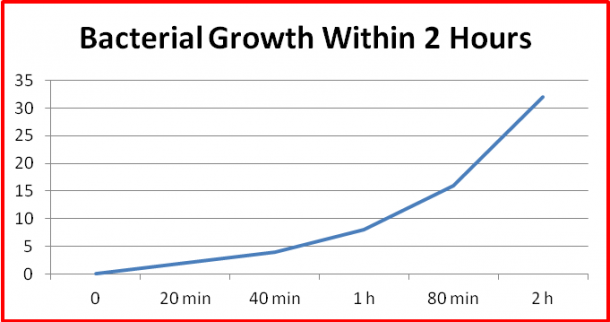
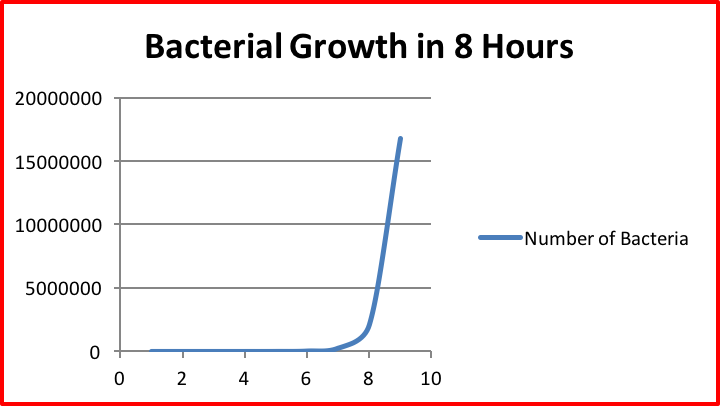
Follow the rules, and remember: “Bacteria grow by splitting themselves in half every 20 minutes. So the shorter time the food stays out of the fridge, the better it will be”.