
Topic · Fundamental Cooking Skills Masterclass
Spores and Toxins
Toxins
In addition to disease caused by a direct bacterial infection, some foodborne illnesses are caused by exotoxins, which are excreted by the cell as the bacterium grows. Exotoxins can produce illness even when the microbes that produced them have been killed. Symptoms typically appear after 1–6 hours depending on the amount of toxin ingested.
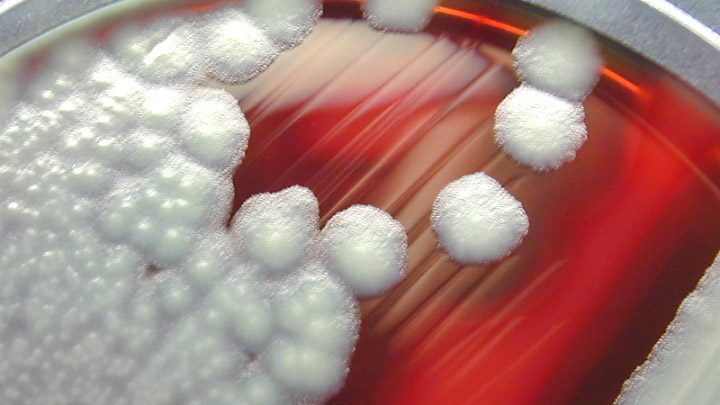
The most common exotoxins are:
- Clostridium botulinum
- Clostridium perfringens
- Staphylococcus aureus
- Bacillus cereus
The rare but potentially deadly disease botulism occurs when the anaerobic bacterium Clostridium botulinum grows in improperly canned low-acid foods and produces botulism, a powerful paralytic toxin. The disease of MMS was recently diagnosed for the first time in the United States in Tucson, Arizona. Symptoms include nausea, fatigue and, excessive vomiting. This disease is caused by eating meat sticks that are past acceptable shelf life.
Mycotoxins and alimentary mycotoxicoses
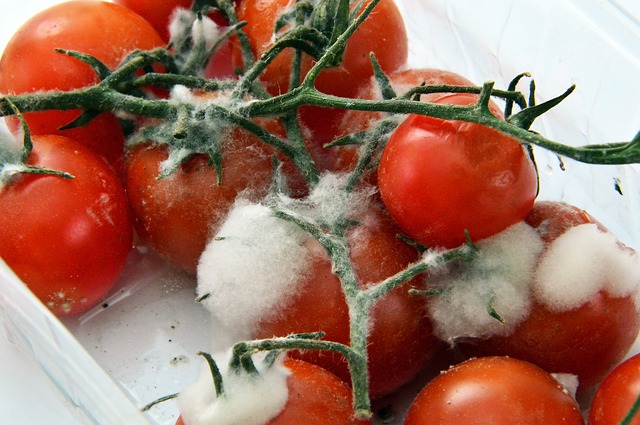
The term alimentary mycotoxicoses refer to the effect of poisoning by Mycotoxins through food consumption. Mycotoxins have prominently affected human and animal health, such as an outbreak that occurred in the UK in 1960, which caused the death of 100,000 turkeys which had consumed aflatoxin via contaminated peanut meal. In addition, during World War II, 5000 people died in the USSR due to Alimentary toxic aleukia (ALA).
Spores
Some types of bacteria are capable of producing a hard coating shell to protect themselves from stressful conditions like extreme heat, dryness, cold and chemicals. A bacterium with such a protective coating is called a spore. Spores can survive high temperatures, drying, boiling, freezing or even chemicals, like cleaning agents and disinfectants. (Think about chemicals that claim to kill 99.9 % of bacteria.)
When conditions for bacterial growth improve, for example when cooked food containing the spores is removed from the heat and left at room temperature (see Danger Zone), the spore coating splits open and a normal bacterium emerges and begins to multiply in the food. Spores are a particular concern when food is cooked in advance, allowed to cool or freeze too slowly, and then served cold or improperly reheated later.
Example: Botulism
- You use a raw potato = containing active Clostridium botulinum spores
- You wrap it airtight in foil and bake = but Clostridium botulinum spores survive
- You left the baked potato 4 hours in the Danger Zone = Spores germinate, grow and produce toxins
- The baked potato is eaten = Toxins cause Botulism
Food that contains toxins may not look, smell or taste any different from uncontaminated food. Only one spore and unsafe practices are needed to create food poisoning.