Topic · Appetizers Mastery
Understanding Appetizers
You may hear various words that are all related to appetizers: entrée, hors d’oeuvre, canapés, verrines, amuse bouches, amuse gueule, mise en bouche… let’s find out what this is all about.
While an “hors d’oeuvre” is served separately from the main meal, appetizers are traditionally the meal’s actual first course. The role of the appetizer on the contemporary menu is becoming increasingly important. Although the traditional pate-smoked trout or escargot with garlic butter may still be found, dishes based on pasta, grilled vegetables, and grains are receiving more exposure.
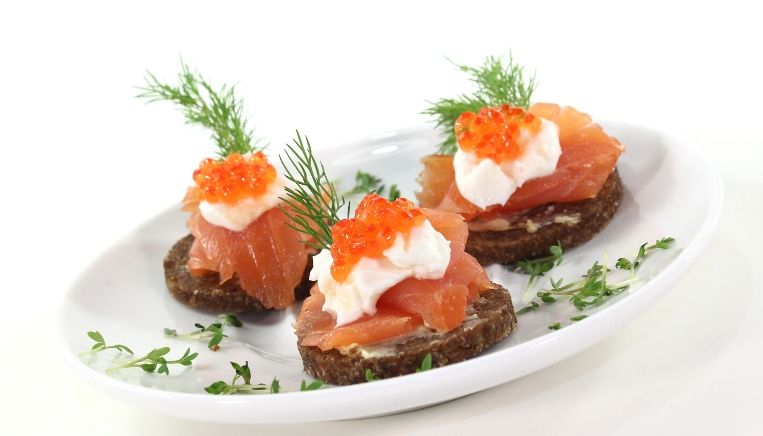
The usual caution to ‘build’ a menu from one course to the next calls for some logical connection between the appetizer and all the following courses. For every rule you read about what types of foods should or shouldn’t constitute an appetizer, you will find at least one good exception. What most appetizers have in common is careful attention to portioning and sound technical execution and plating. Appetizers are typically small servings of very flavorful foods, meant to take just enough edge off the appetite to permit complete enjoyment of an entrée.
Classic “Hors d’oeuvre” can be served as appetizers by increasing the portion size slightly. Everlasting favorites are perfectly fresh clams and oysters, for example, shucked as close to service time as possible and served with sauces designed to enhance their naturally briny flavor, or a classic shrimp, or poultry; sausages, pates, terrines, and galantines; or air-dried ham and beef sliced paper-thin. All of those above can be used to create separate appetizer plate. Or, be served on their own with a few accompaniments or garnishes, or be served together as a sampler plate.
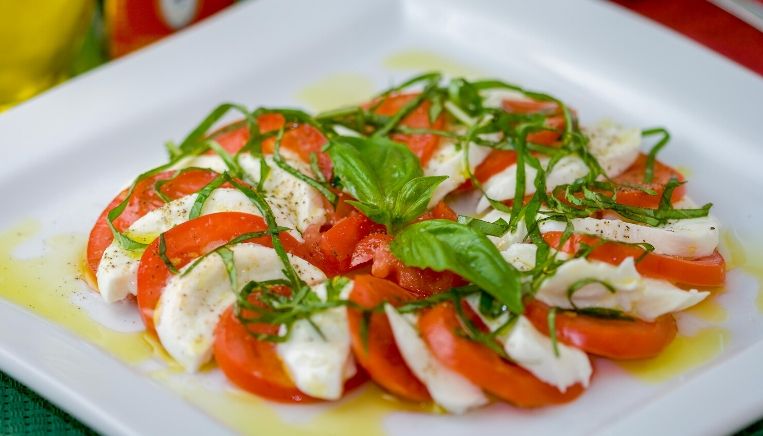
Salads are also served as appetizers. Portion size may be changed or a different sauce or garnish substituted to vary the salad from season to season or to showcase a range of flavors and textures from different cuisines.
Warm and hot appetizers include small servings of pasta, such as tortellini or ravioli, served on their own or in a sauce or broth. Puff pastry shells can be cut into vols au vent or made into turnovers and filled with savory ragouts or foie gas. Broiled or grilled fish, shellfish, or poultry are often textured and presented as appetizers. Crepes, blini, and other similar dishes are popular as well. Meatballs and other highly seasoned ground-meat appetizers are also frequent choices.
Aside from meat and pasta options, vegetables are more important than ever as an appetizer. They are often presented very simply, such as steamed artichokes with a dipping sauce, chilled asparagus drizzled with flavored oil, or a plate of grilled vegetables accompanied by an aioli.