Topic · Seafood Soups Mastery
Tips for Making the Perfect Bisque
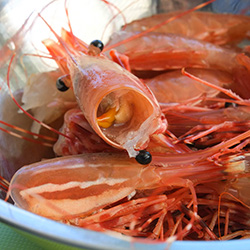
Maximum flavors can be extracted from raw shells and heads.
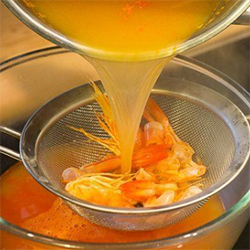
Crustacean stock that is flavorful can be made from the heads and shells of crustaceans such as crayfish, shrimps, crabs, and lobsters. Sauces, soups, and rice dishes when cooked can be enhanced with crustacean broth or stock. Tomatoes are normally used as a natural match when cooking crustacean stocks as the color and the flavor of the stock is enhanced.
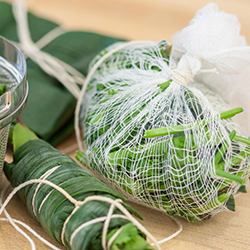
To add a delectable flavor, herbs such as bouquet garni and especially Tarragon when chopped and added at the final stages of the cooking process enhances the flavor and is delicious.
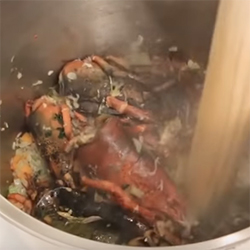
As a useful hint, the heads of shrimps, lobsters, and crayfish can be ground in a food processor or crushed with the end of a rolling pin in order to infuse the flavor into the liquid. Crab shells and claw shells are thick and must not be ground in the food processor as the blades will be damaged. Most often, the heads of the shrimp are removed already, so the shells and the tails will have to be used. The shells can be frozen in a plastic bag until there is enough for a small pot of stock to be cooked.
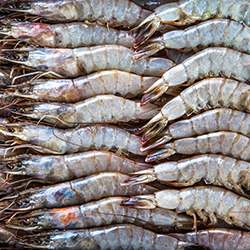
It is advisable to buy prawns with the heads attached.
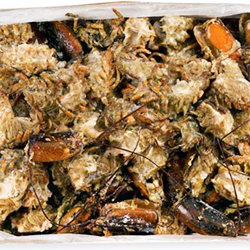
When tightly wrapped in a plastic wrap and stored in the freezer, crustacean shells can be kept frozen for 2 months and can be collected so that there is enough to cook a batch of stock or broth.
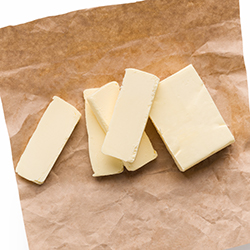
Cream and butter can be used to derive or extract color and flavor from crustacean shells for rich sauces and soups.
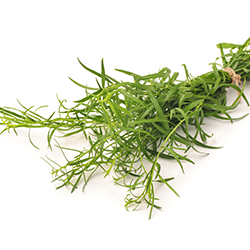
Crustacean stock has natural compatibility or an affinity with cognac, tomatoes, tarragon, and saffron that can be used to enhance and flavor soups, rice dishes, and sauces.

Your fishmonger might carry lobster heads and bodies without the meat. They are cheaper than the whole lobsters and since we only need the heads and the shells, don’t hesitate to ask him.

Bisques should be served hot at around 85°C/185°F in preheated bowls or cups.