Topic · Seafood Soups Mastery
About Bisque Soups
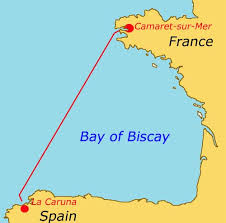
The name, Bisque, is speculated to originate from Biscay, like the Bay of Biscay in the French Basque region. But as per the analogy to a biscuit, the crustaceans are ‘twice cooked’ or ‘bis cuites’ as they are initially sautéed lightly in their shells, simmered in aromatic ingredients and then pureed.
Cook the traditional way, Bisques are generally based on crustaceans like crayfish, lobster, crab, shrimps, and rice, flour, roux, beurre manié (uncooked roux) or bread is used for thickening it. Along with other ingredients, crustaceans are crushed to obtain the most flavors and then strained. The soup that results resembles that of a cream soup.
The meat and shells of the crustaceans should be well rinsed and then crushed or coarsely chopped. Related recipes should be consulted. Before use in a Bisque, the quality of the stored stock, broth, and fumets should be checked. A minimal amount can be boiled and tasted for any off-taste, odors, or sourness.
The vegetables that are to be used in the Bisque should be peeled, trimmed, and chopped. Some of the ingredients that may be used in the soup can be mirepoix, garlic, or chopped onions. The ingredients that are used frequently may be sweet paprika, brandy, wine, and tomato paste that would add color and flavor.
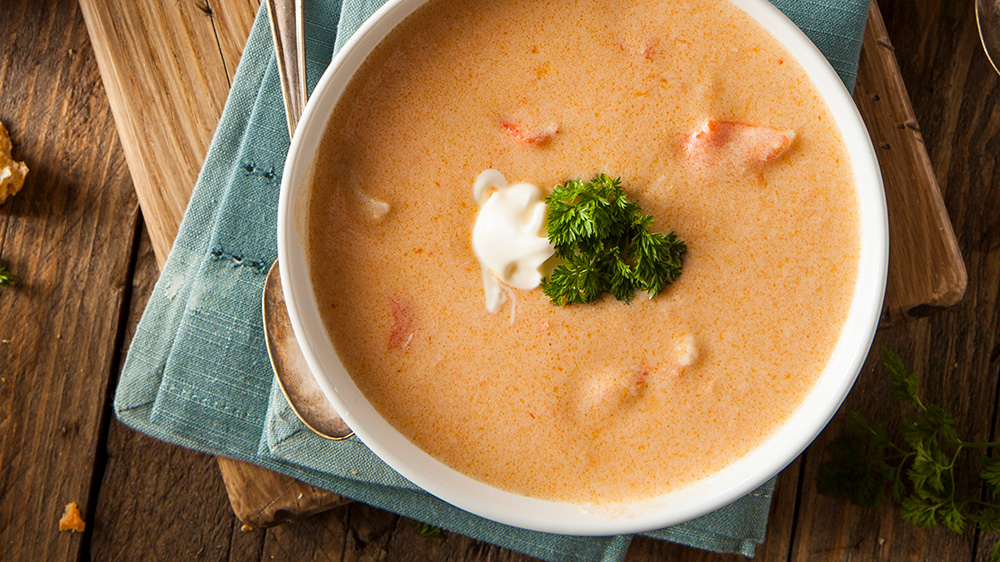
The finishing ingredients for most of the Bisques are brandy, sherry, and cream. A bisque is garnished with diced and cooked pieces of the main flavoring ingredient.
A heavy-gauge pot, a strainer or cheesecloth, and pureeing equipment and equipment for holding and storing Bisques are the equipment requirements when making a cream soup, only.