Topic · Seafood Soups Mastery
Basic Chowder Recipe
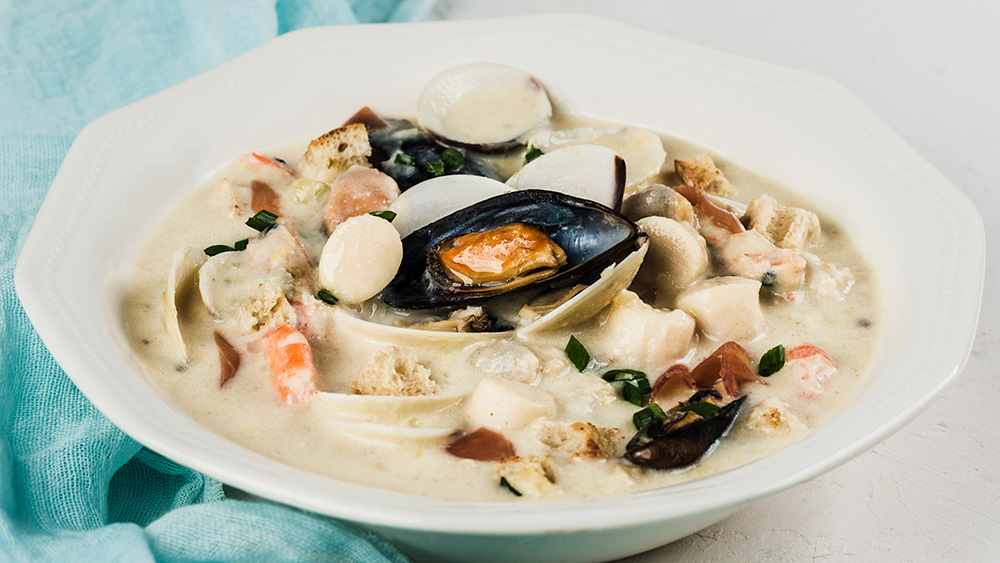
Ingredient for ½ gal/ 1.92 L
- One or more flavoring ingredients, such as vegetables or seafood.
- ½ gal/1.9 L of cooking liquid, stock, broth or water
- A thickening agent such as blond Roux, flour, or potatoes.
- Seasoning and flavoring such as salt, pepper, spice sachet, and or Bouquet Garni.
- Finishing and garnishing ingredients such as heavy cream, salt pork, bacon, small dice of the main ingredient, mince, or Chiffonade of herbs.
Method:
The bacon or the salt pork should be rendered and the aromatics should be added. The rendered fat may need additional butter or oil according to the method for introducing the Roux to the soup. If the singer method is to be followed where the Roux is added as part of the cooking process, then more fat would be needed. Some of the chowders utilize a mix of vegetables like leeks, carrots, garlic, peppers, and onions while light-colored chowders use a combination of aromatic vegetables such as celery, leeks, and onions. The aromatics should be cooked slowly on low heat in the rendered fat, till the vegetables become translucent, tender and start releasing their juices.
At the start of making shellfish-based chowder with oysters, clams, and mussels, the main ingredient should be steamed in water or stock till they open. The broth should be strained through a cheesecloth or filter and reserved. The meat should be chopped and kept aside.
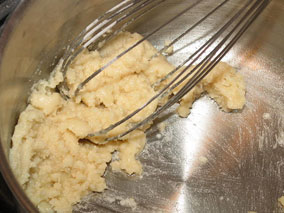
Cook the Roux in the fat till it turns pale gold in color. It is very important to have the right amount of fat to cook the Roux in the pan for the singer method to be successfully completed.
The stock should be blended into the Roux and the lumps should be whisked. The reserved broth and the stock should be whisked in gently. While stirring continuously, the soup should be brought to a simmer. Adjustments should be made and seasoning must be checked. Some of the ingredients should be added to the soup at specific intervals according to their thickness of structure and the result the continued or prolonged cooking process might have on them. Though potatoes need time to cook, peas that are tender will become pasty and gray if cooked for too long. The fresh flavor of a spice sachet will lose its refreshing quality if steeped in the soup for too long a period. Ingredients should be added after referring to individual recipes.
While the soup acquires flavor along with the simmering ingredients, they should be checked to see if they are tender and fully cooked. The seasoning should be adjusted and the soup should be stirred and skimmed through the cooking process. A minimum of one hour is needed for simmering so the chowder can acquire the flavor and thicken to preferred consistency. The soup would now be ready for finishing and may be quickly cooled and refrigerated to facilitate easy serving.
Chowders are normally garnished in batches after finishing. The soup should be simmered on medium heat and a sufficient amount of hot cream should be added to enhance the soup but not overpower the flavor. The main ingredient that has been kept aside or reserved and the garnish can be added to the chowder. The seasoning should be adjusted and the soup should continue simmering.
The chowder can be served immediately in bowls or cups that have heated. The quality of the finished or completed chowder should be evaluated. The main flavoring ingredients should be balanced and should support the aromatic finishing flavors as the main property of a good chowder including a slightly thick consistency similar to heavy cream and a texture that is velvety. If overcooked or if too much of the thickener is used, chowders take on a pasty feel and taste. If the flavor is not up to the mark, it would be due to the fact that too much liquid had been added or a lack of a sufficient amount of the main flavoring. The main taste and flavor of the soup will be hidden if too much cream is added.