
Topic · Food Safety Course 101
Foodborne Infection vs Intoxication
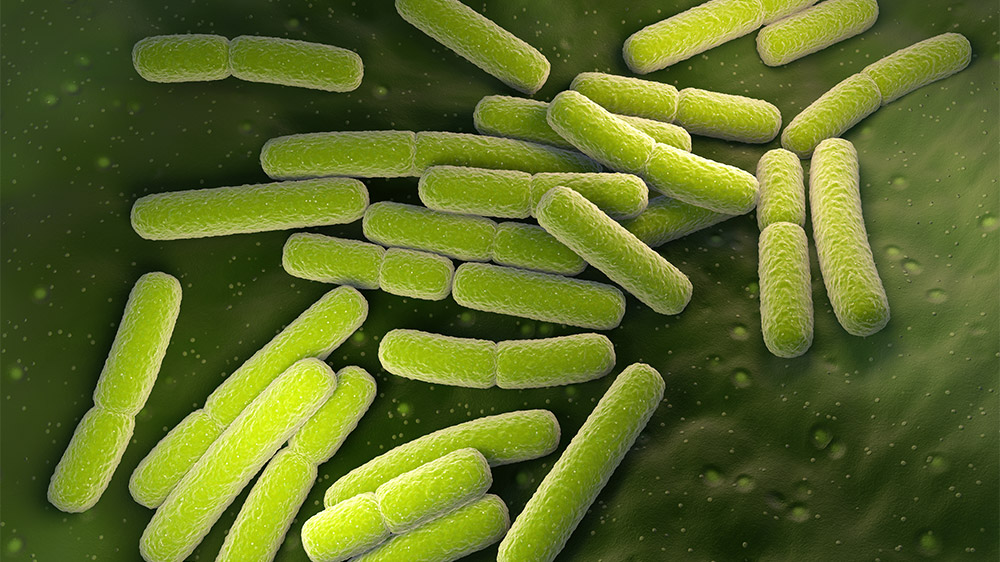
In the case of food intoxication, the waste products (toxins) are in the food and are consumed. In the case of food infection, living pathogens are consumed and cause illness.
Foodborne Infection
It is caused by the ingestion of food containing pathogenic microorganisms (i.e., bacteria, viruses, or parasites), which multiply within the gastrointestinal tract, producing widespread inflammation. The most commonly implicated microorganisms include species of Salmonella, Shigella, E. coli 0157: H7, etc. These infections have more extended incubation periods than those experienced with food intoxications, usually commencing from 6-24 hours or longer after ingestion. Symptoms may include fever, headache, nausea, vomiting, diarrhea, abdominal pain or distress, and prostration. The causative organism may be identified by laboratory examination of the vomitus, feces, or blood and the suspected food, when available.
Foodborne Intoxication
Certain bacteria under favorable growth conditions produce chemicals (toxins) in food, which, when ingested, will cause food intoxication. Enterotoxins produced by Staphylococcus aureus are heat stable (i.e., not destroyed by normal cooking temperatures) and are the cause of the most common foodborne intoxication. The staphylococci multiply in the food where they produce their toxins before the food is consumed. It generally takes less than 8 hours for these organisms to produce enough toxins to cause symptoms. The disease is characterized by an abrupt onset (2 to 4 hours after ingestion) of symptoms of severe nausea, vomiting, diarrhea, and prostration with little or no fever.