
Topic · Stock Making 101
Types of Stocks
Vegetable Stocks
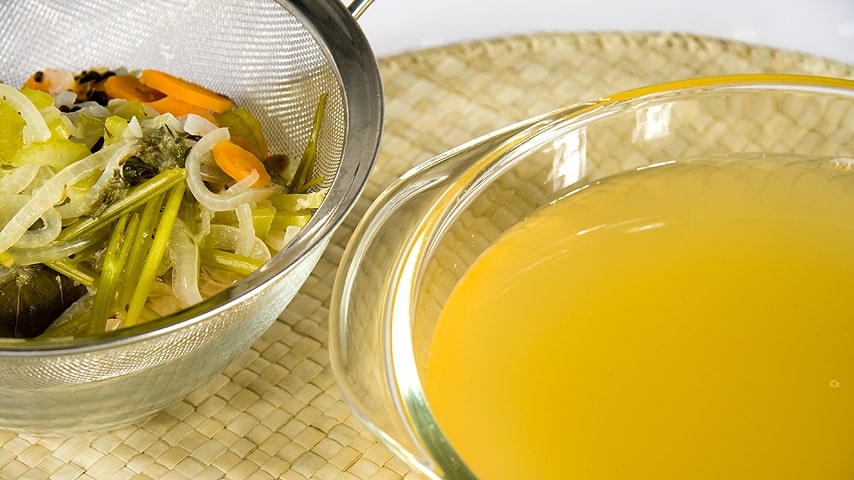
If you can use a wide range of vegetables to make a vegetable stock, some veggies are unsuitable:
- Beetroot – would turn your stock purple
- Potato – would make your stock cloudy
- Most cabbages
- Brussel sprouts
- Artichokes
- Green bell pepper
- Spinach
For a full-bodied “meaty” flavor and dark color, think of using fresh or dried mushrooms.
Meat Based Stocks

Beef and chicken stocks (white or brown) are straightforward to make and are the most versatile stocks to have on hand. Veal stock is the secret ingredient of many restaurant kitchens but the bones are not always available. You may substitute veal bones to beef bones. Lamb and ham stocks have strong flavors that make them less versatile than other stocks, but they are a worthwhile addition to the freezer for dishes containing those meats.
There are two main styles of meat-based stocks:
- A white stock (fond blanc) is prepared by placing the ingredients directly into the cooking liquid.
- In a brown stock (fond brun) the ingredients are first browned in the oven.
Sauces made from a white stock are called white sauces. All sauces made with a brown stock are always called brown sauces. Use brown stocks for gravies, meaty soups, and rich stews and white stocks for lighter dishes and sauces.

Poultry stocks are made from raw meat. To adhere to food safety principles, I do not recommend the usage of cooked meat such as leftovers from a roast chicken. If giblets are available, they should be included. When made with the bones of duck, goose, partridge, pheasant, venison, or a mixture of these, the resulting liquid is called game stock.
Fish and Shellfish Stocks
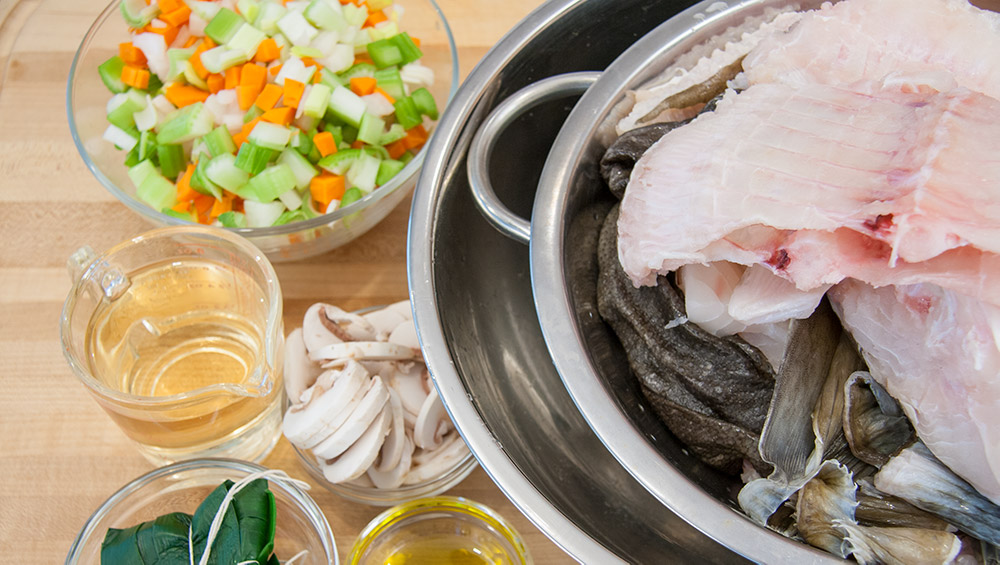
Fish stock is quick to make. It belongs to the white stock family. Unlike meat stocks, the bones should simmer for no more than 30 minutes or the resulting stock may taste bitter. For a more intense flavor, strain the mixture, discard the bones and continue simmering the liquid.
Shellfish can be used for stock, although the bones of oily fish varieties (herring, mackerel, salmon, trout, and so on) are unsuitable as they carry flavors that are too strong.
Dashi Stocks
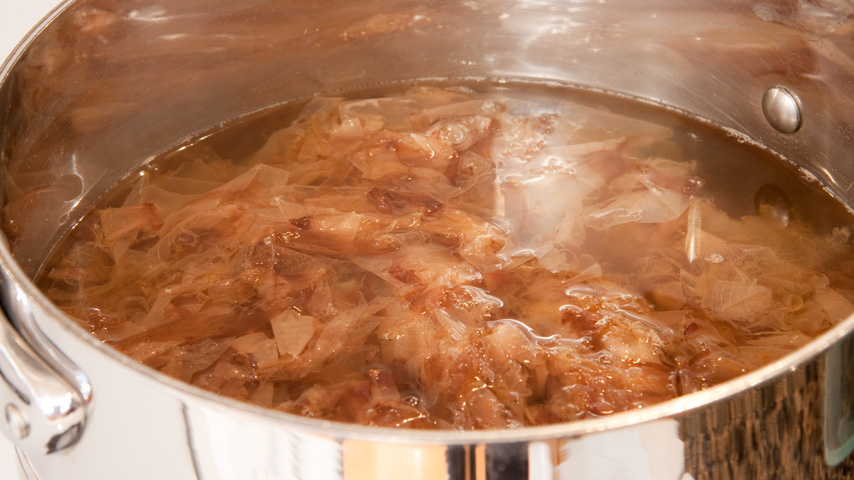
Dashi is a Japanese stock made from water, dried bonito fish shavings, and kombu seaweed. It’s quick to prepare and is deployed in a wide range of dishes. The stocks of Chinese cuisine (chicken, fish, and vegetable) are similar to European recipes but are given an oriental flavor with aromatics such as fresh ginger, spring onions, and garlic.
Court Bouillon
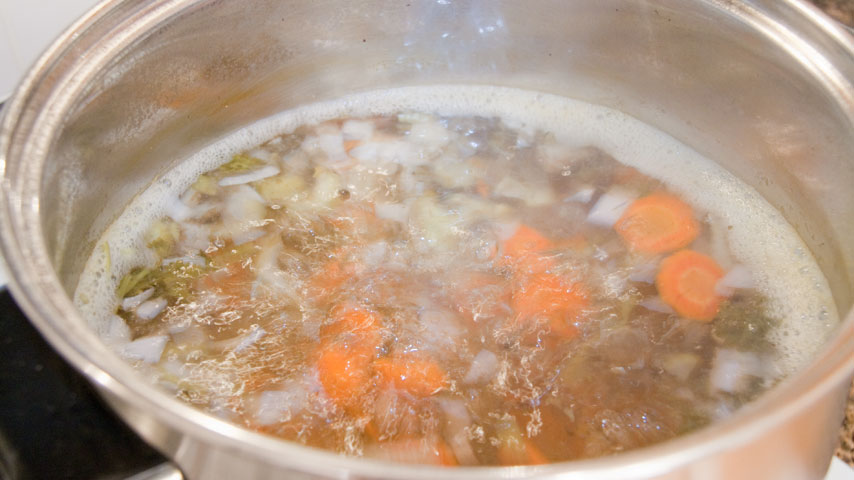
Court bouillon (short broth), is not a stock by itself but an aromatic liquid used to cook fish, some pieces of meat, and some vegetables. The term “court” (short”) refers to the fact that the “bouillon” (broth) is cooked for a short time before being used for cooking the main ingredient. The court bouillon is never used in the finished dishes.
Nage
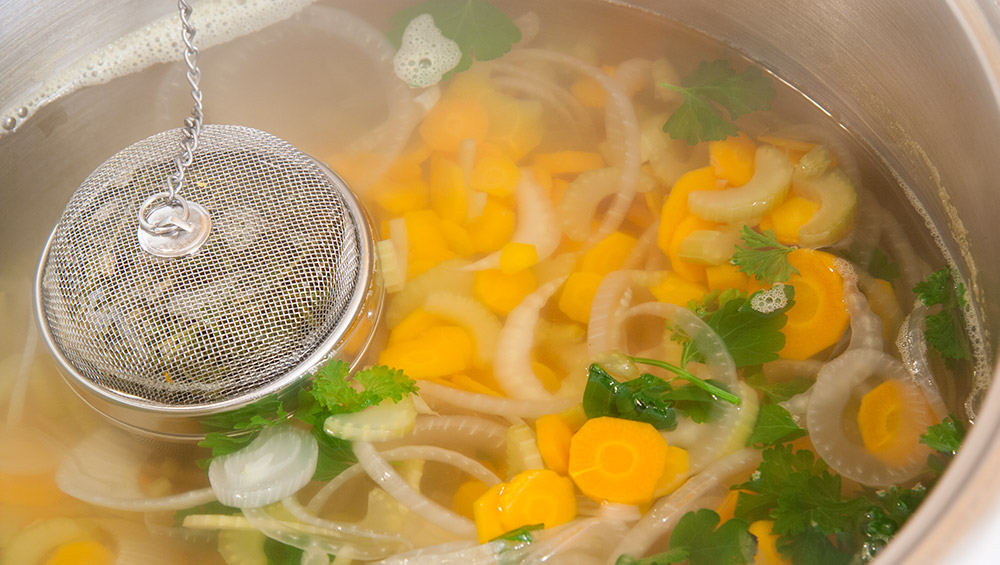
Nage (swim) is very similar to court bouillon as it has a short cooking time as well, but it differs to it as the vegetables used to make the nage are served in the final dish, white wine is added to the broth and it is mainly used to cook shellfish. The vegetables are cut so that they look appealing. Serving the vegetables helps to keep the moisture in the shellfish.