
Lesson · Food Safety Plan
Restaurant Preventative Maintenance
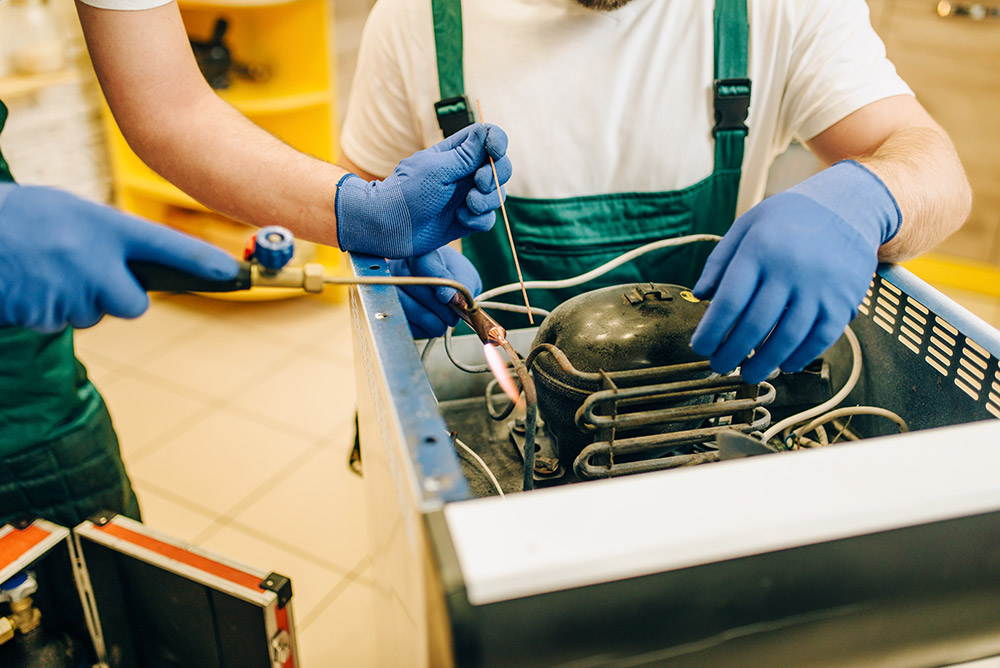
As time pasted, your kitchen, bar equipment, and or building gets older, and the cost for maintenance and repair will keep growing. This list can be used to budget and schedule routine maintenance. Being proactive helps to prolong equipment life and avoid untimely equipment failures that could trigger temporary closure and lost business.
General Things to Avoid:
- Hosing down equipment
- Neglecting filter changes
- Improper application or use of equipment
- Improper use of chemicals
- Operating equipment with frayed, burnt power cords, or exposed wiring
- Operating any equipment without knowing the proper operation and use as outlined in the owner’s manual
- Cutting down on the recommended number of chemical tablets for self-cleaning combi-ovens
General Things to Look For:
- Are hinges, handles, knobs, grates, etc. all in good condition?
- Does the gas-fired equipment burn a steady blue flame?
- Are motors noisy, or won’t turn at all?
- Are temperatures within +/- 2 degrees of the desired setting?
- Are door gaskets worn or torn?
- Is water feed equipment de- limed periodically?
- Is the hood system operating?
- Are hood filters clean?
- Are condensers dusty or iced over?
- Is the fire suppression system operational?
- Has the fire suppression system been inspected recently?
- Are all utilities confirmed on and resets checked?
- When a technician diagnoses your equipment, take the time to be shown the problem and cause.
Specific Equipment Checklist
Dishwasher
- Check for lime buildup inside
- Check that doors open easily
- Check for leaks
- Check that scrap tray is in place and clean
- Check that pump intake screen is in place
- Check that drain opens and closes easily
- Check that autofill works and shuts off
- Check that the incoming temperature of the water is at least 82 °C (180 °F) for high-temperature machines & 49 °C (120 °F) degrees F for chemical sanitizing machines
- Check the wash and rinse arms and nozzles for cleanliness
- When on automatic, check that dishwasher starts when the door is closed
- Check that timed/ manual operation is working properly
- Check for automatic shutdown after _ seconds
- Are chemicals being primed through the lines?
Refrigeration
- Maintain temperature logs, “open- shift change- close” daily.
- Keep evaporator coils (cold air) and condenser coils (warm air) clean. Never obstruct the airflow of fans.
- Never place an unrefrigerated or heated product in “designed for storage” equipment, use ice baths or blast chill/ freeze equipment.
- Do not overstock storage units with products, and air should move freely around all items, especially sides and bottom.
- Before placing a service call, check that power is on and observe temperature patterns for one hour to avoid false alarms (check resets).
- All evaporator coils should be free of ice by visual inspection at all times.
- All door gaskets should seal from outside air completely. Gaps will have a significant impact on performance.
- Cold pans should sit flush in place, no bent corners.
- If defrost cycles are used, ensure that they are set during slow periods of business.
- Keep thermometers in the upper 1/3 or in the warmest section of the refrigerator to get accurate readings.