
Topic · Business Planning for Restaurants
Impact of Technology on Facilities
…on Restaurant Facilities
Objective: This lesson explores how technology influences the design, operation, and management of restaurant facilities. You will learn about the key areas where technology plays a crucial role in improving efficiency, customer experience, and operational flexibility.
1. Enhancing Kitchen Efficiency
a. Automated Equipment
- Smart Ovens and Appliances: Connected kitchen appliances allow for remote monitoring, ensuring consistency and reducing human error.
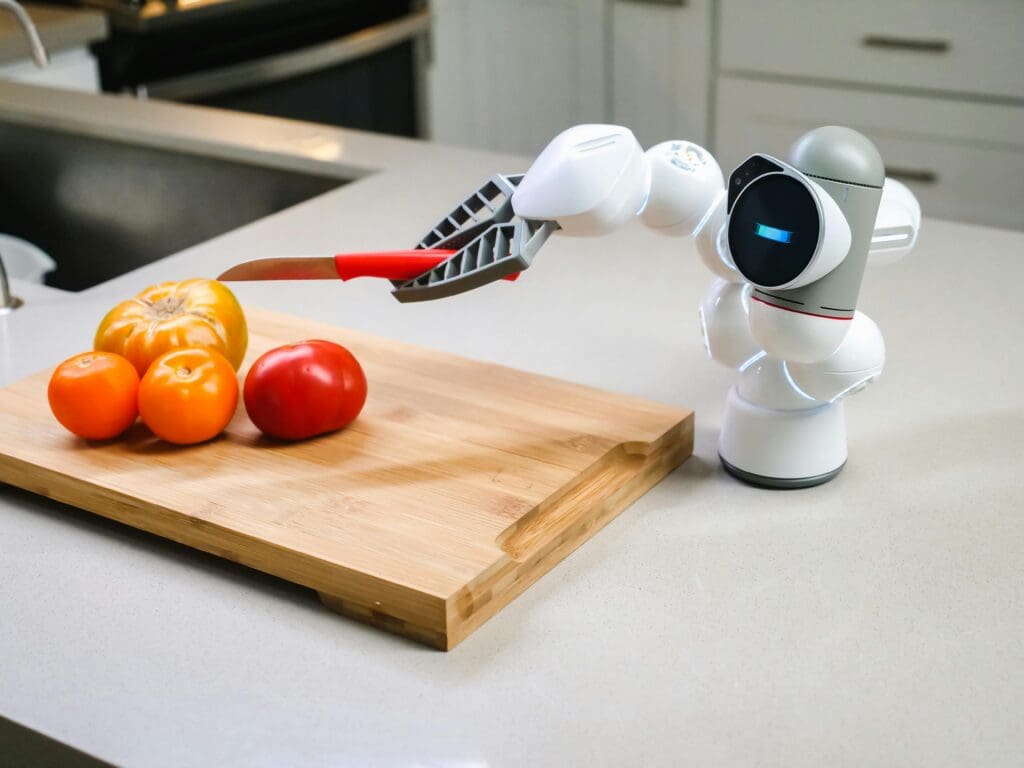
- Automated Food Prep Stations: Robotic arms and automated cutting tools speed up food prep and minimize waste.
b. Kitchen Display Systems (KDS)
- Order Tracking: Replaces traditional paper tickets with digital displays, tracking orders in real-time and streamlining kitchen workflows.
c. Inventory Management Systems
- Automated Tracking: Digital systems track ingredient usage and alert when supplies are low, reducing waste and overstocking.
- Data Insights: Provides information on frequently used ingredients, helping forecast demand.
2. Front-of-House Technology Integration
a. Point-of-Sale (POS) Systems
- Speed and Accuracy: Modern POS systems process orders and payments in real-time, integrating with inventory and customer loyalty programs.
b. Mobile Ordering and Payment
- Convenience for Customers: Mobile payment systems and online ordering platforms enhance customer satisfaction by reducing wait times.
c. Self-Service Kiosks
- Faster Service: Customers place orders themselves, leading to a more personalized experience and potential upsells.
3. Customer Experience and Engagement
a. Customer Relationship Management (CRM) Systems
- Data-Driven Insights: CRM systems track preferences and feedback, enabling personalized experiences and loyalty programs.
b. Online Reservations and Waitlist Management
- Efficient Table Management: Reservation apps streamline bookings and collect data on preferences for better planning.
c. Digital Menus and QR Codes
- Paperless Experience: Digital menus accessed through QR codes offer real-time updates and engage customers with interactive features.
4. Facility Design and Layout
a. Space Optimization
- Compact Kitchen Design: Technology allows for more efficient kitchen layouts, freeing up space for dining or storage.
b. Energy Management Systems
- Energy Efficiency: Smart systems help control energy usage, reducing waste and lowering bills.
5. Security and Maintenance
a. Surveillance Systems
- Remote Monitoring: Advanced systems enhance security and track employee and customer behavior.
b. Preventative Maintenance
- IoT-Connected Equipment: Smart equipment alerts management to maintenance needs, preventing costly breakdowns.
6. Marketing and Customer Engagement Tools
a. Social Media Integration
- Customer Interaction: Engage with customers through social media to promote specials and events.
b. Digital Feedback Systems
- Real-Time Feedback: Digital kiosks enable immediate feedback, helping to improve service quality.
Additional Technologies
- Tableside Technology: Enhances customer experience by allowing orders and payments directly at the table, using handheld devices or QR codes.
- Smart Appliances: Automate cooking processes and monitor inventory, improving efficiency.
- AI and Data Analytics: Offers insights into customer preferences, enabling tailored menu offerings.
- Contactless Dining: Provides touchless ordering and payment experiences, enhancing safety.
Conclusion
Technology has significantly transformed restaurant facilities, improving operational efficiency, customer engagement, and sustainability. By integrating these technological solutions, restaurant operators can save time and money while enhancing the overall dining experience.