
Topic · Business Planning for Restaurants
Cost Analysis
…in Restaurant Operations
Cost analysis is a critical process that involves evaluating the expenses incurred in running a restaurant. By understanding and managing costs effectively, restaurant owners can make informed financial decisions that enhance profitability and operational efficiency.
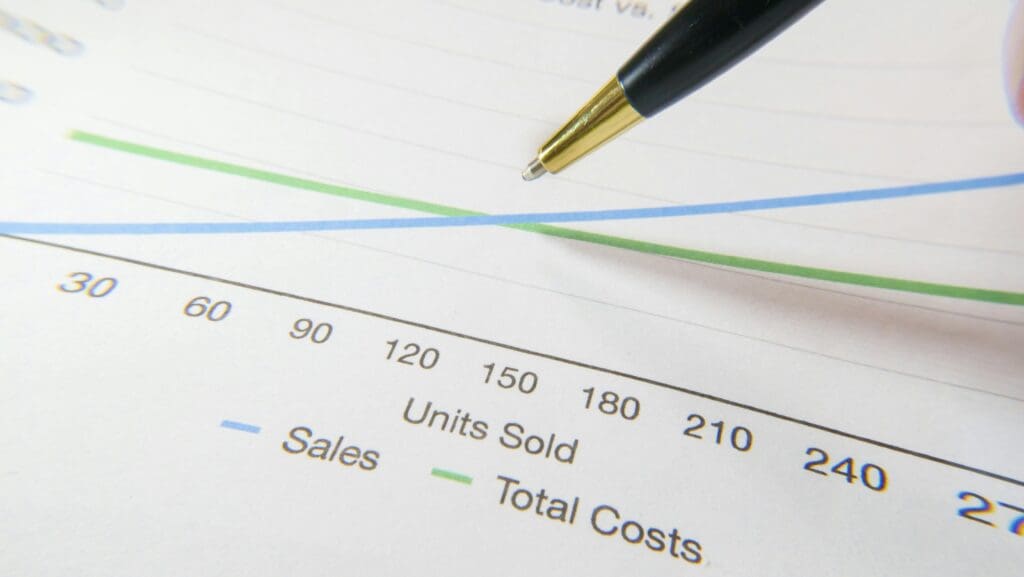
Types of Costs
- Fixed Costs: These are expenses that remain constant regardless of the restaurant’s sales volume. Examples include:
- Rent: The monthly payment for the restaurant space.
- Salaries: Fixed salaries for management and staff.
- Variable Costs: These costs fluctuate based on the level of business activity. Examples include:
- Food and Beverage Costs: Costs that vary with the amount of food purchased and consumed.
- Utilities: Costs that can vary based on usage.
Break-even Analysis
Understanding the break-even point is essential for determining when your restaurant will start generating profit. The formula for break-even analysis is:
Example: If fixed costs are $10,000, the sales price per meal is $20, and the variable cost per meal is $8, the break-even point in units would be:
Break-even Point = Fixed Costs ÷ (Selling Price per meal − Variable Cost per meal)
= $10,000 ÷ ($20 − $8) = $10,000 ÷ $12 ≈ 834 meals (833.3, rounded up)
Cost Control Strategies
To maximize profitability, restaurants should implement various cost control strategies, such as:
- Portion Control: Ensuring that serving sizes are consistent to avoid over-serving and waste.
- Inventory Management: Regularly monitoring stock levels to reduce waste and avoid over-ordering.
- Supplier Negotiation: Building strong relationships with suppliers to negotiate better prices or terms.
Integration with KPIs
Cost analysis is closely tied to Key Performance Indicators (KPIs) such as:
- Food Cost Percentage: Helps assess how much of your sales go toward food costs.
- Labor Cost Percentage: Provides insights into labor efficiency relative to sales.
By analyzing these KPIs, restaurant owners can identify areas for improvement and adjust their strategies accordingly.
Practical Tools and Resources
- Restaurant Management Software: Tools like Toast and Square can help track costs and analyze data efficiently.
- Spreadsheets: Using Excel or Google Sheets can assist in organizing and calculating costs easily.
Case Studies
Consider reviewing case studies of successful restaurants that implemented effective cost analysis strategies. For example, a local eatery that adjusted its menu pricing based on food cost analysis saw a 15% increase in profit margins after optimizing its offerings.
Assignment: Cost Analysis Application
Objective: Apply cost analysis concepts to a hypothetical restaurant scenario.
Instructions:
- Identify Fixed and Variable Costs: Create a list of potential fixed and variable costs for your restaurant concept.
- Conduct a Break-even Analysis: Use the provided data to calculate the break-even point for your restaurant.
- Develop Cost Control Strategies: Suggest at least three strategies to manage costs effectively.
Conclusion
Understanding cost analysis is crucial for the financial health of any restaurant. By effectively managing costs and integrating this analysis with performance indicators, restaurant owners can significantly improve profitability and operational success.