
Topic · Restaurant Mindset and Strategy
Efficient Restaurant Operations
Objective:
Master the essential processes and systems required for smooth day-to-day operations in your restaurant. This lesson will guide you through optimizing workflow, managing inventory, scheduling staff, and maintaining high standards of service to enhance operational efficiency and customer satisfaction.
1. Inventory Management
Efficient inventory management is vital for balancing supply and demand while minimizing waste and controlling costs. Proper inventory management ensures that you have the necessary ingredients and supplies on hand without overstocking or running out of essential items.
Example: A restaurant implements a digital inventory tracking system that updates in real time. When a shipment of tomatoes arrives, the system automatically adjusts the inventory count. If the restaurant’s tomato stock falls below the reorder point, the system triggers an automatic order to the supplier, ensuring that the kitchen never runs out of this essential ingredient.
Tools:
- Inventory Tracking Spreadsheet: Records inventory levels, reorder points, and supplier information.
- Ordering Schedule Template: Plans and tracks regular ordering intervals and supplier interactions.
2. Kitchen Workflow Optimization
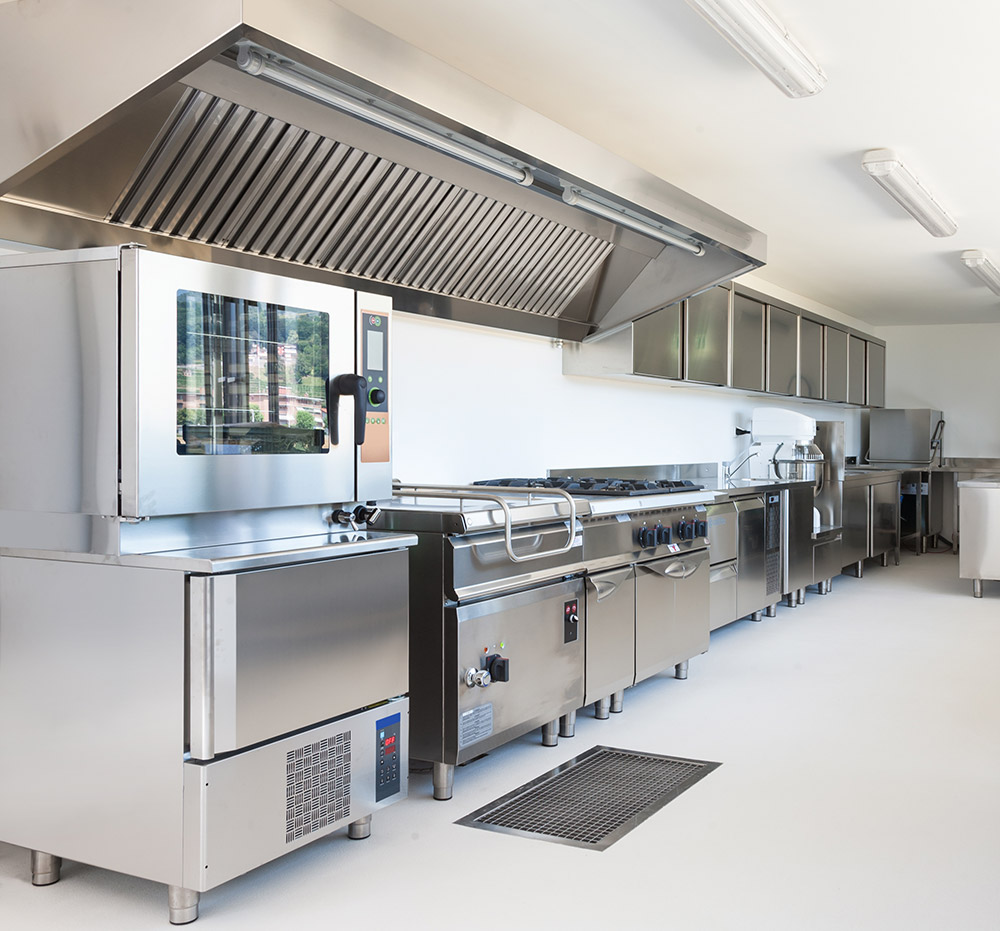
Streamlining kitchen operations is crucial for improving efficiency and consistency in food preparation. An optimized kitchen layout reduces unnecessary movement, minimizes errors, and speeds up service.
Example: A restaurant reconfigures its kitchen layout so that the grill station, fryer, and prep area are positioned in a logical sequence, minimizing the time staff spends moving between stations. Standardized prep procedures are implemented, and each cook follows a detailed checklist for preparing ingredients, leading to a significant reduction in order preparation time and improved consistency in dishes.
Tools:
- Kitchen Layout Plan: Diagram illustrating an efficient kitchen layout.
- Prep Procedures Checklist: List of standardized preparation tasks and procedures.
3. Staff Scheduling
Effective staff scheduling is crucial for balancing labor costs with the need for adequate coverage during peak hours.
Example: A restaurant uses scheduling software to create a weekly staff schedule. By analyzing historical sales data, the manager identifies peak times and schedules additional staff during busy hours. Staff can request shift changes through the software, and the manager can quickly find replacements, ensuring the restaurant is always properly staffed.
Tools:
- Staff Scheduling Template: Tool for planning and organizing staff shifts.
- Labor Cost Tracking Spreadsheet: Monitors labor costs and compares them to sales data.
4. Customer Service Excellence
Delivering exceptional customer service is essential for creating positive dining experiences and fostering customer loyalty.
Example: A restaurant establishes a set of service standards that include greeting guests within 2 minutes, offering a water refill every 15 minutes, and ensuring every table is checked at least once during the meal. Staff undergoes regular training sessions to reinforce these standards and receive feedback from management on their performance, resulting in consistently high customer satisfaction ratings.
Tools:
- Customer Service Standards Document: Guide outlining service expectations and procedures.
- Training Program Outline: Plan for staff training sessions, including topics covered and objectives.
5. Operational Efficiency Monitoring
Monitoring and evaluating operational processes is essential for maintaining efficiency and addressing any areas of concern.
Example: A restaurant tracks key performance indicators (KPIs) such as average service time, order accuracy, and customer feedback scores. Regular operational audits are conducted to review kitchen practices, staff performance, and inventory management. Insights from these audits are used to implement improvements, such as adjusting staff schedules or refining preparation procedures, leading to smoother operations and better customer experiences.
Tools:
- KPI Tracking Sheet: Tool for recording and analyzing key performance metrics.
- Operational Audit Checklist: List of criteria for evaluating operational processes and identifying areas for improvement.
6. Leveraging Technology
Utilizing technology enhances operational efficiency and streamlines various processes within your restaurant.
Example: A restaurant adopts a modern POS system that integrates with its kitchen display system (KDS). Orders are sent directly from the POS to the KDS, reducing the risk of miscommunication and speeding up order processing. The restaurant also uses inventory management software to automate stock tracking and generate reports on usage patterns, allowing for more informed purchasing decisions.
Tools:
- Technology Implementation Plan: Guide for integrating technology into restaurant operations.
- POS and KDS Evaluation Checklist: Tool for assessing the features and benefits of POS and KDS systems.
By mastering these aspects of restaurant operations, you’ll be equipped to create an efficient, well-organized establishment that delivers exceptional service and maintains high standards of quality.